

The tennis coaching profession has evolved significantly over the past two decades, with certification standards becoming increasingly important for career advancement and credibility. Becoming a usta certified coach represents a commitment to professional excellence and provides a foundation for delivering high-quality instruction to players of all levels. As the industry continues to grow and professionalize, understanding the certification process and its benefits has never been more critical for aspiring and current tennis instructors seeking to distinguish themselves in a competitive marketplace.
Understanding USTA Coaching Certification
The United States Tennis Association has transformed its approach to coaching education and certification through comprehensive programs designed to raise industry standards. A usta certified coach demonstrates adherence to recognized teaching principles, ethical standards, and ongoing professional development requirements that ensure students receive quality instruction.
The USTA Coaching Accreditation Program establishes clear benchmarks for performance, integrity, and quality across the coaching community. This framework recognizes various certification organizations while maintaining consistent standards that protect both coaches and students.
Certification Levels and Requirements
The pathway to becoming a usta certified coach involves multiple levels, each designed to build upon previous knowledge and experience:
- Recreational Coach: Entry-level certification for teaching beginners and recreational players
- Competitive Coach: Advanced certification for working with tournament-level juniors and adults
- Professional Coach: Elite certification for coaches working with high-performance and professional players
- Master Professional: Highest designation requiring extensive experience and demonstrated excellence
Each level requires specific coursework, practical examinations, and documented teaching hours. Candidates must complete both online and in-person training modules that cover technical instruction, player development, sports science, and business management.
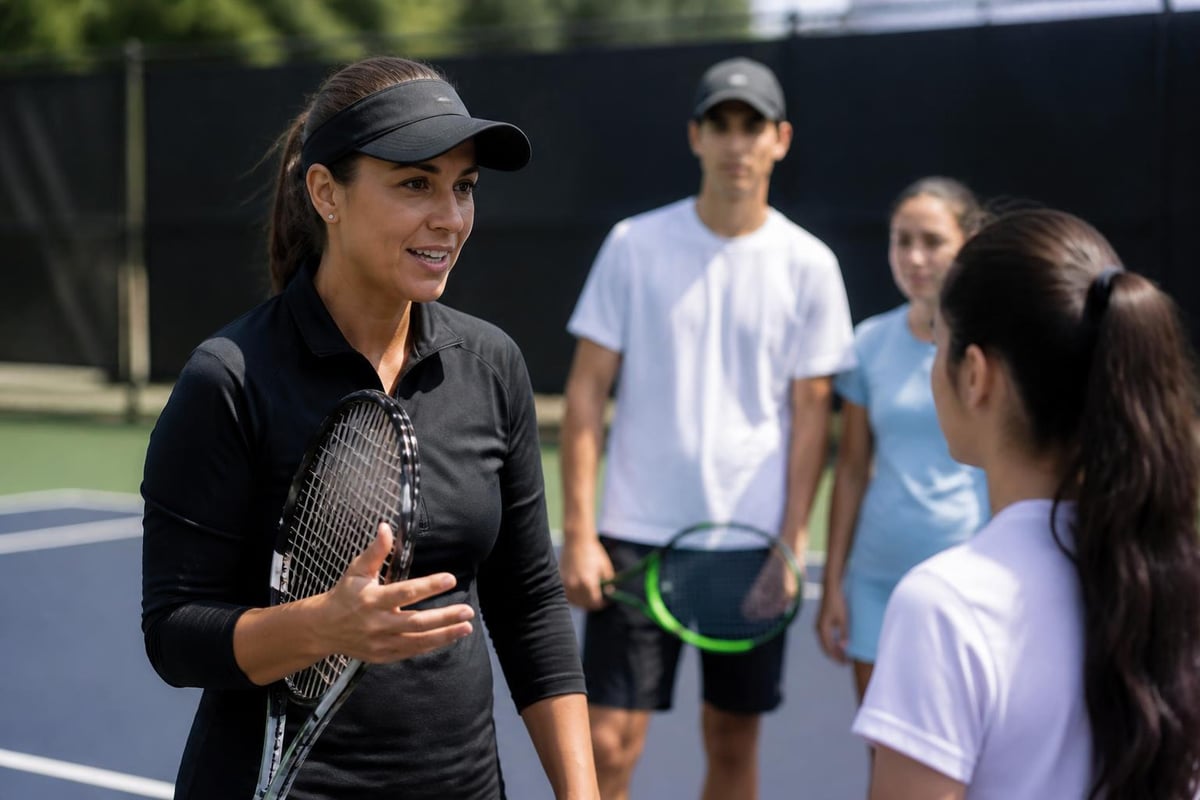
Benefits of USTA Coaching Certification
Professional certification delivers tangible advantages that extend far beyond a credential on your resume. A usta certified coach gains access to resources, networks, and opportunities unavailable to uncertified instructors.
Professional Credibility and Market Differentiation
Certification immediately establishes credibility with potential students, parents, and tennis facilities. Club managers and academy directors increasingly prefer or require USTA certification when hiring instructors. This preference reflects growing awareness that certified coaches possess standardized knowledge and skills that translate into better student outcomes.
| Certification Advantage | Impact on Career |
|---|---|
| Enhanced credibility | Higher client retention rates |
| Access to USTA network | Increased referral opportunities |
| Continuing education | Improved teaching effectiveness |
| Professional recognition | Premium pricing capability |
| Insurance discounts | Reduced operational costs |
The marketplace rewards certified professionals with higher earning potential. Studies indicate that a usta certified coach commands rates 25-40% higher than uncertified counterparts in comparable markets.
Access to Exclusive Resources
USTA certification unlocks a comprehensive library of teaching materials, video analysis tools, and curriculum frameworks. These resources enable coaches to deliver structured, progressive instruction aligned with player development pathways proven effective across thousands of teaching professionals.
The USTA Coaching initiative provides certified professionals with ongoing support through webinars, conferences, and collaborative forums where coaches exchange insights and best practices. This community aspect proves invaluable for professional growth and problem-solving.
The Certification Process: Step-by-Step Guide
Becoming a usta certified coach requires careful planning and dedicated effort. Understanding the process helps candidates prepare effectively and avoid common pitfalls.
Initial Assessment and Preparation
Before pursuing certification, evaluate your current knowledge, experience, and career goals:
- Assess your playing background: Strong personal playing experience provides valuable foundation
- Document your teaching hours: Track all coaching activities to meet experience requirements
- Identify your target certification level: Choose the level matching your current capabilities and aspirations
- Review prerequisite requirements: Ensure you meet age, background check, and SafeSport training requirements
- Budget for certification costs: Plan for course fees, examination costs, and ongoing membership dues
Most candidates spend 3-6 months preparing for their first certification examination, combining online coursework with practical teaching experience.
Coursework and Training Components
The educational curriculum for a usta certified coach covers comprehensive content across multiple domains:
- Technical instruction: Stroke mechanics, footwork patterns, and tactical development
- Teaching methodology: Lesson planning, skill progression, and differentiated instruction
- Sports science: Biomechanics, exercise physiology, and injury prevention
- Player psychology: Motivation techniques, mental skills training, and emotional intelligence
- Business management: Marketing, client retention, and professional ethics
Online modules provide flexibility for working professionals, while in-person workshops offer hands-on practice with experienced mentors who provide immediate feedback on teaching techniques.

Maintaining and Advancing Your Certification
Earning certification marks the beginning, not the end, of your professional development journey. A usta certified coach commits to continuous learning that keeps skills sharp and knowledge current.
Continuing Education Requirements
USTA certification requires ongoing professional development to maintain active status:
| Requirement Type | Annual Commitment |
|---|---|
| Education credits | 10-15 hours minimum |
| Membership renewal | Annual fee payment |
| SafeSport training | Updated every 2 years |
| Background check | Renewed every 2 years |
| Professional development | Conference attendance recommended |
These requirements ensure certified coaches stay informed about evolving teaching methods, sports science discoveries, and industry best practices. The commitment to lifelong learning distinguishes exceptional professionals from those treating coaching as a static skill set.
Specialization Opportunities
Beyond basic certification, coaches can pursue specialized credentials that demonstrate expertise in specific areas. A usta certified coach might add certifications in:
- High-performance junior development
- Adult performance training
- Adaptive tennis for players with disabilities
- Cardio tennis and fitness programming
- Mental performance coaching
These specializations open new revenue streams and attract specific client segments seeking targeted expertise. Many successful coaches build thriving practices by combining foundational USTA certification with complementary specialized credentials.
Distinguishing Yourself Beyond Basic Certification
While USTA certification provides essential credibility, the most successful coaches develop unique methodologies and approaches that set them apart. A usta certified coach who innovates and refines teaching techniques creates distinctive value that attracts dedicated students.
Some coaches develop proprietary systems for specific stroke corrections or player development protocols. These innovative approaches, when systematically tested and refined, can transform a coaching practice from merely competent to truly exceptional. For coaches seeking to differentiate themselves through specialized training methods, exploring advanced coaching education opportunities can provide the edge needed in competitive markets.
Building a Reputation Through Results
Certification opens doors, but results build careers. A usta certified coach earns lasting success by consistently helping students achieve their goals, whether that means winning tournaments, enjoying recreational play, or developing lifelong tennis skills.
Document student progress through video analysis, performance metrics, and achievement milestones. These tangible results become powerful marketing tools that attract new clients through word-of-mouth referrals and online testimonials. Check out testimonials from coaches who have transformed their teaching approaches to understand how specialized methods complement foundational certification.

Comparing USTA Certification with Alternative Pathways
While becoming a usta certified coach represents the most recognized pathway in American tennis, coaches should understand alternative and complementary certification options.
Professional Tennis Registry (PTR) and USPTA
The PTR and United States Professional Tennis Association (USPTA) offer competing certification programs with similar structures but different emphases:
- PTR: Focuses heavily on recreational player development and innovative teaching methods
- USPTA: Emphasizes traditional teaching progression and comprehensive tennis business management
- USTA: Concentrates on player pathway development aligned with national tennis initiatives
Many successful coaches hold multiple certifications, leveraging the unique strengths of each organization. A usta certified coach who adds PTR or USPTA credentials signals comprehensive professional development and commitment to excellence.
International Tennis Federation (ITF) Certification
For coaches aspiring to international careers or working with elite junior players competing globally, ITF certification provides recognized credentials worldwide. This pathway requires additional investment but opens opportunities beyond domestic markets.
Investment Considerations for Aspiring Coaches
Understanding the financial commitment required to become a usta certified coach helps candidates plan appropriately and maximize return on investment.
Direct Certification Costs
| Expense Category | Typical Range |
|---|---|
| Initial coursework | $300-$600 |
| Examination fees | $150-$300 |
| Annual membership | $200-$400 |
| Continuing education | $200-$500/year |
| Conference attendance | $500-$1,500/year |
These direct costs represent a modest investment compared to professional certifications in many other industries. Most coaches recoup their certification investment within the first year through increased rates and expanded client bases.
Opportunity Costs and Time Commitment
Beyond direct expenses, candidates must consider time invested in coursework, examination preparation, and ongoing education. Most aspiring coaches dedicate 100-200 hours to initial certification preparation, with 20-40 hours annually for continuing education.
This time investment pays dividends through improved teaching effectiveness, reduced trial-and-error in lesson planning, and faster client results. A usta certified coach works more efficiently, often achieving better outcomes in fewer sessions than uncertified competitors.
Career Pathways for USTA Certified Coaches
Certification creates multiple career trajectories, from part-time instruction supplementing other income to full-time professional coaching careers.
Employment Opportunities
A usta certified coach finds opportunities across diverse settings:
- Private clubs: Teaching members at country clubs and racquet facilities
- Public facilities: Community programs through parks and recreation departments
- Tennis academies: Full-time positions at junior development centers
- Schools and universities: Coaching scholastic teams and offering physical education instruction
- Private practice: Building independent coaching businesses serving multiple client segments
Each setting offers different advantages regarding income stability, client diversity, facility access, and professional autonomy. Many coaches combine multiple settings to create balanced, resilient practices.
Building an Independent Coaching Business
The most entrepreneurial usta certified coach professionals build independent practices that provide scheduling flexibility and unlimited income potential. This pathway requires business skills beyond technical coaching expertise, including marketing, financial management, and customer service.
Successful independent coaches typically invest 30-40% of their time on business development activities, with the remainder dedicated to direct instruction and program delivery. Understanding why tennis lessons command premium pricing helps coaches position their services appropriately and communicate value effectively to prospective students.
Navigating Common Certification Challenges
Aspiring coaches often encounter obstacles during their certification journey. Understanding these challenges helps candidates prepare effective strategies for overcoming them.
Examination Preparation Strategies
The practical teaching examination proves most challenging for many candidates. A usta certified coach must demonstrate not just knowledge but effective application of teaching principles with real students under evaluator observation.
Successful candidates practice teaching demonstrations extensively before examination day. Recording practice sessions, reviewing video critically, and incorporating feedback from experienced mentors significantly improves performance and confidence.
Balancing Certification with Existing Commitments
Many aspiring coaches pursue certification while maintaining full-time employment or other significant commitments. This balancing act requires disciplined time management and strategic prioritization.
Breaking the certification process into manageable milestones prevents overwhelm and maintains momentum. Setting specific deadlines for completing coursework modules, scheduling examination dates well in advance, and creating accountability through study groups or mentor relationships all contribute to successful completion.
The Future of Tennis Coaching Certification
The coaching profession continues evolving rapidly, with technology, sports science, and changing student expectations driving innovation. A usta certified coach must stay ahead of these trends to remain competitive and effective.
Emerging Trends in Coach Education
Recent developments shaping the future of certification include:
- Virtual reality training: Immersive simulations for practicing teaching scenarios
- Biomechanical analysis tools: Affordable technology for detailed stroke analysis
- Online coaching platforms: Remote instruction capabilities expanding market reach
- Data-driven development: Performance analytics informing individualized training plans
- Mental skills integration: Increased emphasis on psychological aspects of performance
Forward-thinking coaches embrace these innovations while maintaining the human connection and personalized attention that define exceptional instruction. Technology enhances but never replaces the relationship between a dedicated usta certified coach and committed student.
Specialization and Niche Marketing
As the coaching market matures, successful professionals increasingly focus on specific niches rather than attempting to serve all potential students. A usta certified coach might specialize in:
- High-performance junior girls development
- Adult beginners over age 50
- Singles specialists requiring tactical refinement
- Doubles strategy for competitive recreational players
- Return-to-tennis programs for formerly competitive players
This specialization allows coaches to develop deep expertise, create targeted marketing messages, and build reputations as the go-to expert for specific student populations. For coaches interested in developing unique teaching methodologies that accelerate student progress, exploring proven systematic approaches can provide significant competitive advantages in specialized niches.
Those seeking to truly stand out might consider comprehensive tennis coaching courses that teach advanced techniques like rapid stroke correction methods, which can dramatically enhance a coach's effectiveness and reputation. These specialized approaches complement foundational USTA certification by providing unique value propositions that attract serious students seeking accelerated improvement.

Ethical Responsibilities of Certified Coaches
Certification carries professional obligations extending beyond technical competence. A usta certified coach accepts responsibility for student safety, fair treatment, and honest communication.
SafeSport and Background Check Requirements
All certified coaches must complete SafeSport training addressing abuse prevention, mandatory reporting, and appropriate boundaries with students. This training protects vulnerable populations, particularly junior players, from exploitation and harm.
Background checks verify that coaches have no disqualifying criminal history. These requirements, while sometimes perceived as burdensome, maintain professional standards that protect both students and ethical coaches from association with bad actors who might otherwise enter the profession.
Professional Conduct Standards
A usta certified coach adheres to ethical standards governing:
- Honest advertising: Accurate representation of qualifications and expected results
- Appropriate boundaries: Professional relationships with students at all times
- Confidentiality: Respecting student privacy regarding performance and personal matters
- Continuing competence: Maintaining skills through ongoing education and self-assessment
- Conflict of interest management: Transparent handling of situations involving competing interests
Violations of these standards can result in certification suspension or revocation, protecting the profession's integrity and public trust.
Becoming a USTA certified coach represents a significant professional achievement that opens doors throughout the tennis industry while demanding ongoing commitment to excellence and ethical practice. Whether you're beginning your coaching journey or seeking to enhance existing credentials, certification provides the foundation for a rewarding career helping players achieve their tennis goals. If you're looking to take your coaching to the next level with proven, scientific methods that deliver rapid results, discover how Tennis Method Mili Split (MSM) can transform your teaching approach and help you stand out in the competitive coaching marketplace.