
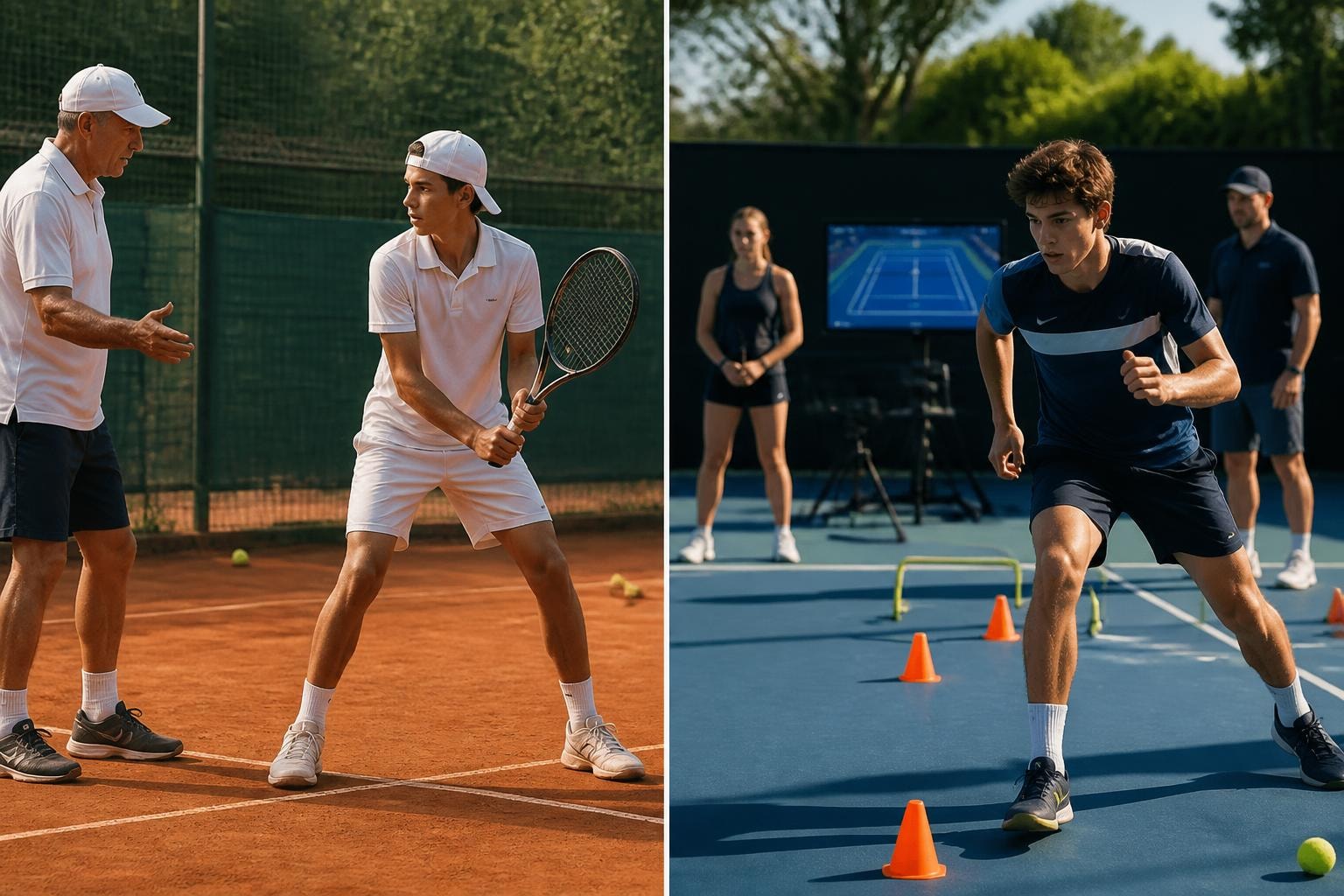
The nick bollettieri academy stands as one of the most transformative institutions in tennis history, fundamentally reshaping how elite players are developed and trained. Founded in 1978 by the legendary coach Nick Bollettieri, this pioneering facility introduced a revolutionary concept: full-time, live-in tennis training that combined intensive on-court instruction with academic education. The academy's impact extended far beyond its Bradenton, Florida location, influencing coaching methodologies worldwide and producing an unprecedented number of world-class champions who dominated professional tennis for decades.
The Revolutionary Concept Behind the Academy
When Nick Bollettieri opened his academy in 1978, he created the first "tennis factory" of its kind. The concept was radical for its time: students would live on campus, train multiple times daily, and dedicate themselves completely to tennis excellence while maintaining their education. This immersive approach contrasted sharply with traditional part-time coaching models where players took occasional lessons and practiced independently.
The nick bollettieri academy model rested on several core principles that distinguished it from conventional tennis instruction:
- Volume training: Players hit thousands of balls daily, developing muscle memory through repetition
- Competitive environment: Constant practice matches against peers of similar or higher skill levels
- Specialized coaching: Multiple coaches focused on different aspects of the game
- Mental toughness development: Emphasis on psychological preparation and competitive resilience
- Year-round commitment: Consistent training without extended breaks
The Physical Infrastructure
The academy's facilities grew exponentially from humble beginnings. Initially operating with just a handful of courts, the campus eventually expanded to include dozens of playing surfaces, fitness centers, video analysis rooms, and comprehensive athletic training facilities. This infrastructure enabled coaches to implement systematic training programs that addressed every component of player development.

Champion Development and Notable Alumni
The roster of champions who trained at the nick bollettieri academy reads like a who's who of tennis greatness. Andre Agassi, Monica Seles, Jim Courier, Maria Sharapova, Venus Williams, Serena Williams, and countless others honed their skills under the Florida sun. These players didn't just achieve success; they dominated their eras and redefined what was possible in professional tennis.
Training Intensity and Player Transformation
What made the academy particularly effective was its ability to identify technical flaws and implement corrections through intensive repetition. Players would work on specific stroke mechanics for hours, receiving immediate feedback and making incremental adjustments. This approach to perfecting forehands and backhands through focused practice became a hallmark of the Bollettieri method.
The academy's training philosophy emphasized aggression and power. Bollettieri encouraged players to develop weapons, strokes so dominant they could dictate points and intimidate opponents. This aggressive baseline style became synonymous with academy graduates, influencing the modern game's evolution toward power tennis.
| Training Component | Daily Hours | Weekly Focus |
|---|---|---|
| On-court technique | 4-6 hours | Stroke mechanics, footwork |
| Match play | 2-3 hours | Competition, tactics |
| Physical conditioning | 2-3 hours | Strength, endurance, agility |
| Mental training | 1-2 hours | Visualization, pressure management |
| Video analysis | 1 hour | Technical review, opponent study |
Coaching Philosophy and Methodology
The nick bollettieri academy approach to coaching differed markedly from traditional European methods that emphasized perfect technique and classical form. Bollettieri prioritized results over aesthetics, focusing on what worked in competitive situations rather than textbook mechanics. This pragmatic philosophy allowed for individual playing styles to flourish while maintaining core technical fundamentals.
Adaptive Techniques for Individual Players
Coaches at the academy learned to adapt their instruction to each player's unique physical attributes and psychological makeup. Rather than imposing a one-size-fits-all technique, they helped players develop strokes that maximized their natural strengths. This personalized approach required coaches to understand biomechanics, tactical strategy, and individual learning styles.
The academy's method relied heavily on pattern recognition and repetition. Players would practice specific shot sequences hundreds of times, ingraining the movements until they became automatic under match pressure. This drill-based approach built confidence through competence, allowing players to execute shots instinctively during critical moments.
Modern coaching programs, including specialized tennis coaching courses for both players and aspiring coaches, have built upon these foundational principles while incorporating scientific advances in biomechanics and sports psychology. The emphasis on systematic technique correction through focused practice remains a cornerstone of effective tennis instruction.

Evolution Into IMG Academy
The transformation of the Nick Bollettieri Tennis Academy into IMG Academy marked a significant evolution in sports training facilities. In 1987, International Management Group (IMG) acquired the academy, providing resources for massive expansion. The facility evolved from a tennis-exclusive institution into a multi-sport campus serving athletes in baseball, basketball, football, golf, lacrosse, soccer, and track and field.
This expansion brought several advantages:
- Cross-training opportunities: Athletes could learn from different sports' training methodologies
- Enhanced facilities: State-of-the-art equipment and training environments across multiple disciplines
- Broader educational programs: Comprehensive academic offerings from middle school through post-graduate studies
- Professional networking: Exposure to athletes and coaches from various sports backgrounds
- Sports science integration: Advanced research and application of performance optimization techniques
Maintaining Tennis Excellence
Despite diversification, tennis remained central to IMG Academy's identity. The tennis program continued producing top professional players while expanding its reach to serve recreational players and aspiring coaches. The legacy of Nick Bollettieri remained embedded in the academy's DNA, with his coaching philosophies influencing instruction across all skill levels.
Impact on Global Tennis Coaching
The nick bollettieri academy's influence extended far beyond its physical campus. Coaches who trained there disseminated its methodologies worldwide, establishing similar facilities and implementing academy-style training programs. The concept of intensive, immersive tennis training became the gold standard for developing elite players.
Changing the Professional Development Pathway
Before the academy's success, most professional players developed through club systems or worked with individual coaches. The academy model created an alternative pathway: centralized training facilities where players could access comprehensive resources and compete against elite peers daily. This shift fundamentally altered how families and coaches approached player development.
The model proved particularly effective for international students. Young players from countries with limited tennis infrastructure could access world-class training, accelerating their development beyond what was possible in their home nations. This globalization of tennis training contributed to the sport's expansion and the emergence of champions from increasingly diverse backgrounds.
Technical Training Innovations
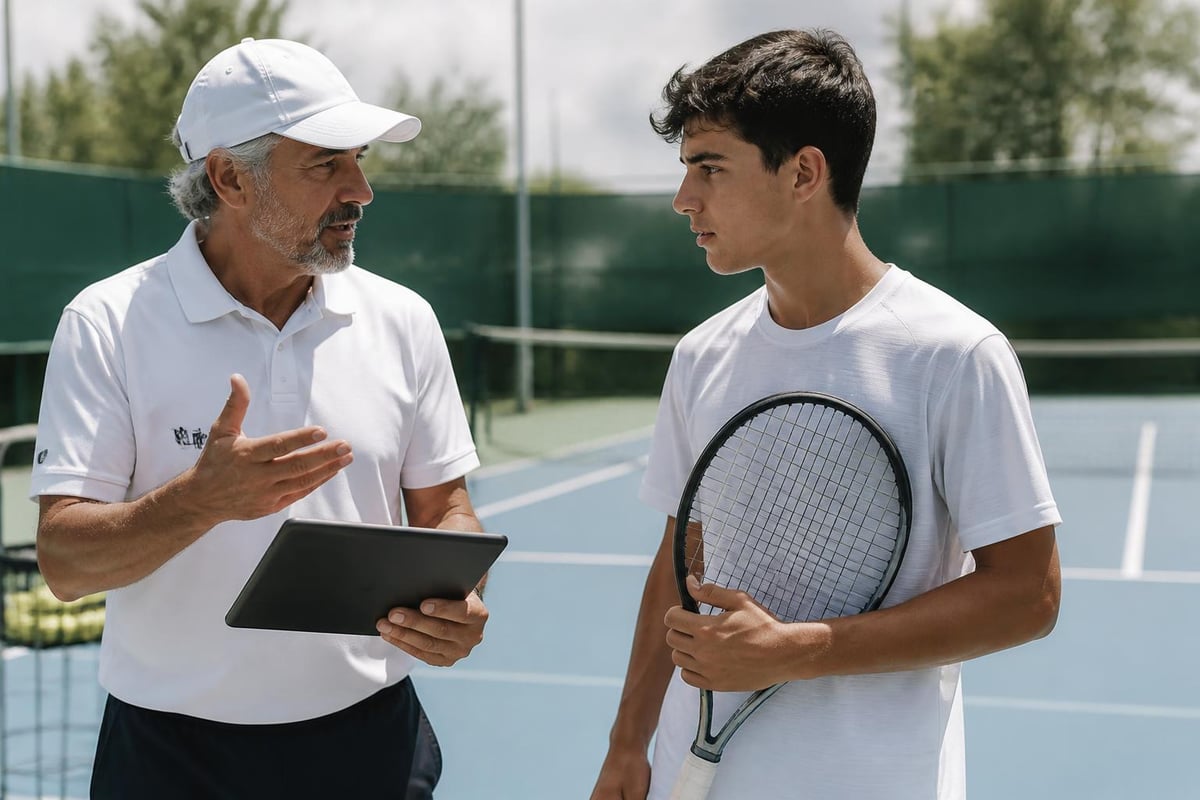
The nick bollettieri academy pioneered several technical training approaches that became industry standards. Video analysis, once rare in tennis coaching, became integral to instruction. Players could watch their strokes frame-by-frame, comparing their mechanics to professional standards and tracking improvement over time.
Biomechanical Analysis and Stroke Development
The academy embraced scientific approaches to stroke development, analyzing the biomechanics of champion players and identifying common elements of effective technique. This research informed teaching progressions, helping students develop efficient movement patterns that generated power while minimizing injury risk.
Coaches focused intensively on the kinetic chain, teaching players how to generate force from the ground up through proper weight transfer and rotation. This systematic approach to power generation helped smaller players compete effectively against physically larger opponents. Understanding proper grips for topspin forehands and other technical fundamentals became essential components of academy instruction.
Key Technical Emphasis Areas:
- Service mechanics: Developing powerful, accurate serves through proper toss placement and body mechanics
- Baseline consistency: Building reliable groundstrokes capable of sustaining extended rallies
- Transition game: Improving approach shots and net play for finishing points
- Return positioning: Optimizing court position and technique for returning serves effectively
- Movement patterns: Enhancing footwork, balance, and recovery between shots
Mental Training and Competitive Preparation
Beyond physical and technical development, the nick bollettieri academy emphasized mental toughness and competitive psychology. The daily exposure to high-level competition prepared players for the pressure of professional tournaments. Students learned to manage nerves, maintain focus during critical points, and recover mentally from setbacks.
Competitive Environment Benefits
Living and training alongside talented peers created natural competitive pressure that simulated tournament conditions. Players couldn't hide weaknesses when facing skilled opponents daily. This environment fostered resilience and adaptability, essential qualities for professional success. The academy also taught players to embrace competition rather than fear it, viewing matches as opportunities for growth rather than threats to ego.
The transition from junior to professional tennis often proves challenging, but academy graduates typically navigated this shift more smoothly than players from traditional development systems. Their extensive match play experience and exposure to competitive pressure provided advantages during early professional tournaments.
| Mental Skill | Training Approach | Competition Application |
|---|---|---|
| Focus | Concentration drills during practice | Maintaining intensity through long matches |
| Confidence | Success-based progressions | Believing in ability during crucial points |
| Emotional control | Pressure situation practice | Managing frustration after errors |
| Strategic thinking | Tactical pattern work | Adjusting game plans mid-match |
| Resilience | Challenging training sessions | Recovering from deficit situations |
The Economics of Elite Tennis Training
The nick bollettieri academy model required significant financial investment from families. Tuition, housing, and additional costs created barriers for many talented players. This economic reality sparked discussions about access to elite training and whether the academy model inadvertently favored wealthy families.
However, the academy also offered scholarships and financial assistance to exceptional talents who lacked resources. Many champions who emerged from the program received financial support that made their training possible. This scholarship system helped democratize access while ensuring the academy attracted the most talented players regardless of economic background.
Investment Considerations
Families considering academy training faced complex decisions about allocating resources and evaluating potential returns. The cost of private tennis lessons and comprehensive training programs varied widely, requiring careful financial planning. The investment extended beyond tuition to include travel, equipment, tournament entry fees, and opportunity costs from focusing exclusively on tennis.
The decision framework for choosing between different training approaches: comparing traditional local coaching, intensive academy programs, specialized technique camps, and online instruction based on factors like cost, time commitment, technical improvement potential, and competitive development
Criticisms and Controversies
Despite remarkable success, the nick bollettieri academy faced criticisms throughout its history. Some observers questioned whether the intensive training environment placed excessive pressure on young athletes, potentially contributing to burnout or psychological stress. The volume-based training approach also drew scrutiny from coaches who favored quality over quantity in practice sessions.
Debates About Player Development
Tennis traditionalists sometimes criticized the academy's pragmatic approach to technique, arguing that prioritizing results over classical form created bad habits that limited long-term development. The debate between one-handed and two-handed backhands exemplified these philosophical differences, with academy coaches generally favoring whatever stroke worked best for individual players.
The academy's influence on junior tennis also sparked discussions about specialization versus multi-sport participation. Critics worried that year-round, single-sport focus might harm young athletes' overall development, while supporters argued that elite performance required dedicated commitment.
Legacy and Continuing Influence
Nick Bollettieri’s passing at age 91 in December 2022 marked the end of an era, but his legacy continues shaping tennis coaching worldwide. The academy model he pioneered remains the blueprint for elite player development, with similar facilities operating globally. His emphasis on aggressive baseline play, mental toughness, and intensive training influenced generations of coaches and players.
Modern coaching has evolved beyond the original nick bollettieri academy methods, incorporating advances in sports science, biomechanics, and psychology. However, core principles-intensive practice, competitive environment, systematic skill development, and mental training-remain foundational to effective tennis instruction. The academy demonstrated that structured, comprehensive training programs could consistently produce championship-level players, validating the professional academy model.
Adaptation and Innovation
Contemporary tennis academies continue innovating while building on Bollettieri's foundation. Technology integration, data analytics, and personalized training programs represent modern adaptations of the intensive development model. The rise of online coaching and video analysis has democratized access to expert instruction, though residential academy programs continue serving players seeking immersive training environments.
The comprehensive history of the academy reveals an institution that constantly evolved to meet changing competitive demands. From introducing video analysis to incorporating sports psychology, the facility adapted its methods while maintaining commitment to developing champions. This combination of tradition and innovation ensured sustained success across multiple tennis generations.
Modern Applications for Coaches and Players
Tennis coaches today can extract valuable lessons from the nick bollettieri academy approach, even when working outside residential facilities. The emphasis on systematic skill development, competitive practice, and mental training applies regardless of coaching context. Understanding these principles helps coaches design effective programs for players at all levels.
Key Takeaways for Contemporary Coaching:
- Structured practice sessions targeting specific technical weaknesses
- Regular competitive play against appropriately challenging opponents
- Video analysis for objective feedback on stroke mechanics
- Mental skills training integrated into regular practice
- Progressive skill development following logical learning sequences
- Individualized instruction adapted to each player's needs and goals
The academy model also demonstrated the value of comprehensive player development addressing all performance dimensions simultaneously. Technical excellence alone proves insufficient without mental toughness, physical conditioning, tactical understanding, and competitive experience. Modern coaching programs increasingly adopt this holistic approach, recognizing that championship performance requires balanced development across multiple domains.
The nick bollettieri academy transformed tennis instruction by proving that systematic, intensive training could consistently produce world-class champions, establishing principles that continue guiding player development today. For coaches seeking to deliver similarly transformative results, Tennis Method Mili Split (MSM) offers a scientifically-based approach that guarantees forehand and backhand correction within three days per stroke, combining innovative methodology with proven effectiveness that helps players and coaches achieve breakthrough improvements rapidly.