
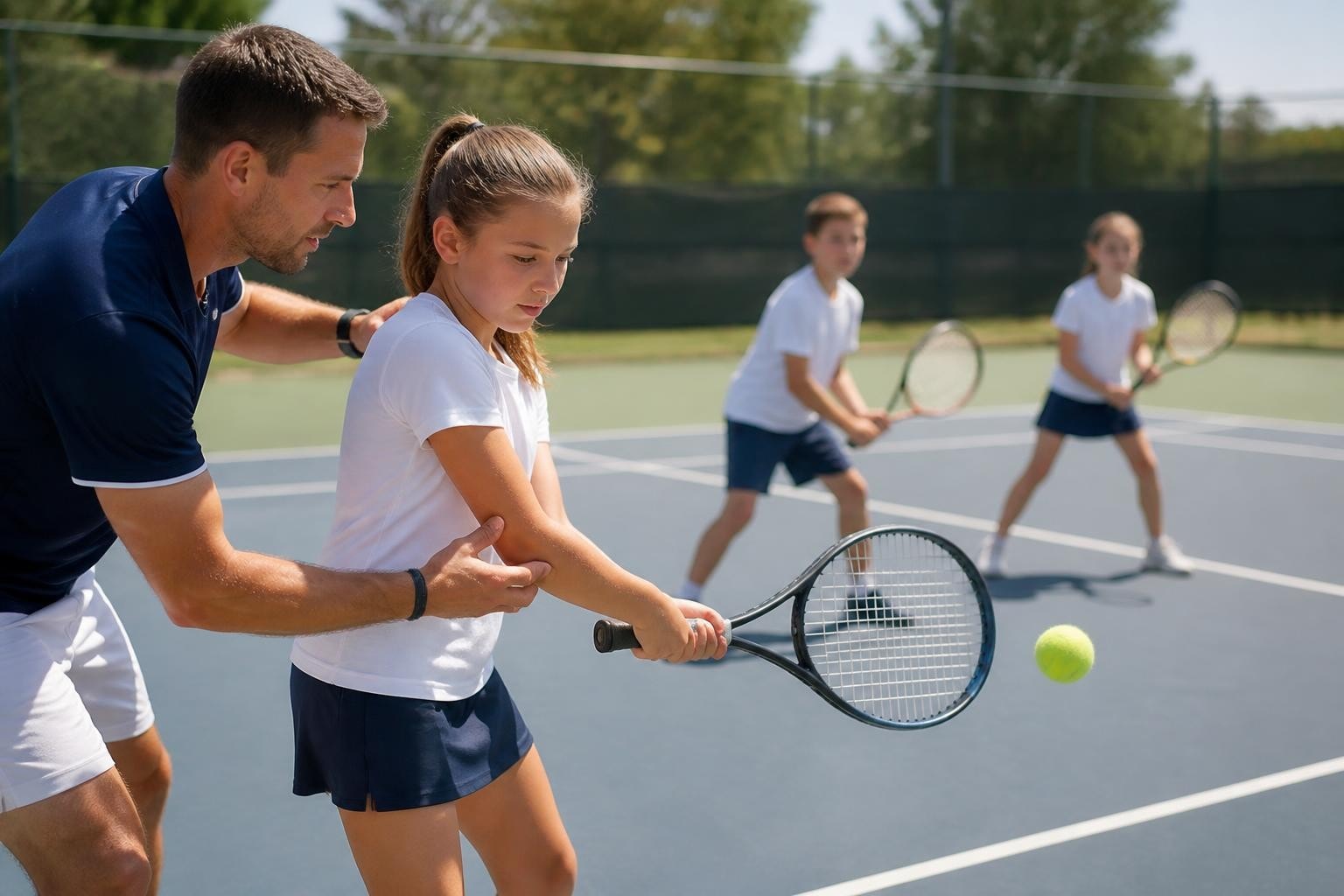
The concept of class tennis represents a structured, systematic approach to learning and mastering the sport through organized instruction and proven teaching methodologies. Unlike casual court time or random practice sessions, class tennis emphasizes deliberate skill development under the guidance of qualified instructors who apply specific teaching frameworks. This approach has transformed how players at all levels acquire technique, tactical awareness, and competitive confidence. The evolution of class tennis methodology continues to reshape coaching standards worldwide, with scientific approaches proving significantly more effective than traditional hit-and-hope methods.
Understanding the Class Tennis Framework
Class tennis operates on the principle that tennis skills can be systematically broken down, analyzed, and reconstructed through methodical instruction. This structured approach differs fundamentally from recreational play or unguided practice. The framework typically includes assessment of current abilities, identification of technical flaws, systematic correction protocols, and progressive skill-building exercises.
Modern class tennis instruction draws from sports science, biomechanics, and educational psychology to create comprehensive learning pathways. The most effective programs recognize that every student arrives with unique physical capabilities, learning preferences, and previous experience. By categorizing instruction into specific skill levels and focus areas, class tennis ensures appropriate challenge levels that promote steady advancement without overwhelming beginners or boring advanced players.
The Scientific Foundation of Structured Tennis Instruction
Contemporary class tennis methodology incorporates research-backed techniques that accelerate learning curves. Studies examining various coaching styles and instructional methods demonstrate that hybrid models combining structured orientation with game-based tasks produce superior outcomes compared to purely traditional or purely recreational approaches.
The application of biomechanical analysis has revolutionized how instructors approach stroke correction in class tennis settings. Video analysis, motion capture technology, and real-time feedback systems allow coaches to identify subtle technical deficiencies that would remain invisible during conventional instruction. This precision transforms vague advice like "follow through more" into specific, measurable adjustments.
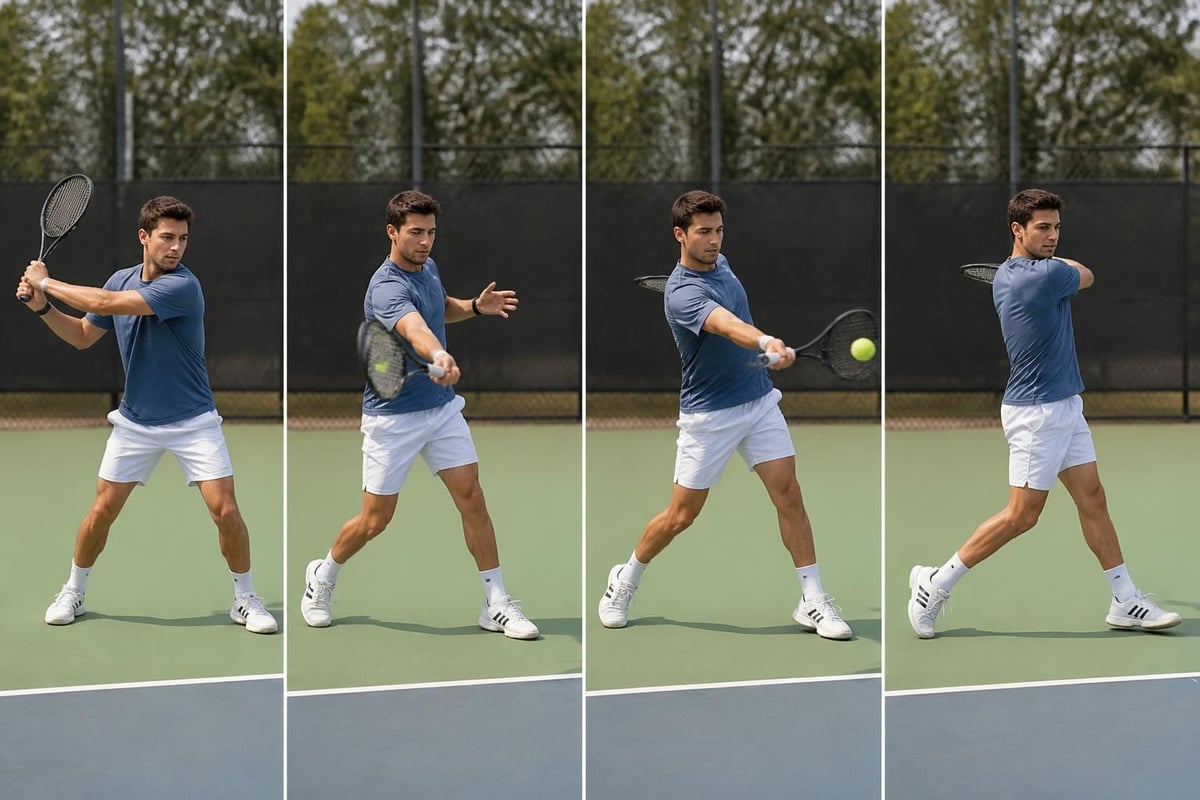
Key components of scientific class tennis instruction include:
- Detailed movement pattern analysis using video technology
- Progressive skill sequences based on motor learning research
- Immediate corrective feedback during practice repetitions
- Measurable performance benchmarks to track improvement
- Customized drill progressions matching individual learning rates
Class Tennis vs. Traditional Group Lessons
The distinction between class tennis and conventional group lessons centers on methodology rather than simply class size. Traditional group instruction often involves students rotating through stations or practicing simultaneously while receiving occasional feedback. Class tennis, by contrast, implements systematic teaching sequences where each element builds logically upon previous foundations.
Effective class tennis programs maintain optimal student-to-instructor ratios that enable meaningful individual attention within the group context. Research indicates that classes exceeding eight students per instructor typically sacrifice instructional quality regardless of the teaching method employed. The sweet spot for most class tennis formats ranges from four to six students, allowing personalized correction while maintaining the motivational benefits of group dynamics.
| Format Type | Student Ratio | Primary Focus | Advancement Speed | Cost Efficiency |
|---|---|---|---|---|
| Class Tennis | 4-6:1 | Systematic technique | Rapid with proper method | High value |
| Traditional Group | 8-12:1 | General activity | Slower, inconsistent | Lower cost |
| Private Coaching | 1:1 | Individualized | Fastest potential | Premium pricing |
| Clinics/Camps | 12+:1 | Exposure/fun | Minimal | Budget option |
The structured nature of class tennis creates accountability mechanisms absent in less formal settings. Students progress through defined skill levels with clear benchmarks, fostering motivation through visible achievement. This systematic progression particularly benefits juniors aspiring to competitive play and adult players seeking to correct long-standing technical flaws.
Essential Elements of Effective Class Tennis Programs
Superior class tennis instruction requires more than knowledgeable coaches and willing students. The program structure itself determines learning outcomes. Organizations like the University of California Berkeley tennis program demonstrate how comprehensive course design elevates instruction quality through careful attention to equipment requirements, skill-appropriate grouping, and progressive curriculum development.
Curriculum Design and Progression Models
Well-designed class tennis curricula follow logical skill-building sequences rather than random topic selection. Beginning students need fundamental movement patterns and basic stroke mechanics before tactical concepts become relevant. Intermediate players benefit from refinement of existing strokes and introduction of advanced shots. Advanced students require strategic training and competition-specific preparation.
The most effective progression models incorporate regular assessment points where students demonstrate mastery before advancing. This competency-based approach prevents the common problem of students moving forward with unresolved technical deficiencies that compound over time. Class tennis programs implementing strict progression standards consistently produce more capable players than those using time-based advancement alone.
Progressive class tennis curriculum stages:
- Foundation phase: Grip, stance, basic swings, court positioning
- Development phase: Stroke consistency, directional control, movement patterns
- Refinement phase: Power generation, spin variation, tactical awareness
- Application phase: Match strategy, mental skills, competitive preparation
- Mastery phase: Advanced techniques, specialized shots, style development
The Role of Teaching Methodology in Class Tennis Success
Teaching methodology separates exceptional class tennis programs from mediocre ones. The shift toward learner-centered, games-based approaches reflects growing recognition that students learn more effectively when actively problem-solving rather than passively receiving instruction. This Actions Method emphasizes playing skills and tactical decision-making over purely technical drilling.
However, the pendulum swing away from technical instruction creates its own problems. Students lacking solid fundamental mechanics struggle to apply tactical concepts effectively. The optimal class tennis methodology integrates technical precision with game-based application, ensuring students develop both proper form and practical playing ability.
Correcting Technical Flaws Through Systematic Methods
Perhaps the greatest challenge in class tennis involves correcting ingrained technical habits. Players who developed strokes through trial and error or inadequate early instruction often struggle for years with limitations they cannot self-diagnose. Effective correction requires systematic deconstruction of faulty movement patterns and careful reconstruction of proper mechanics.
The Tennis Method Mili Split (MSM) coaching courses exemplify this systematic correction approach, with proven protocols for fixing forehand and backhand strokes within remarkably compressed timeframes. This scientific methodology demonstrates that even deeply ingrained technical flaws respond to properly structured intervention, contrary to the common assumption that bad habits require months or years to eliminate.

Traditional class tennis often fails at technical correction because group settings make individualized diagnosis difficult and instructors lack specific correction protocols. Students receive general advice that doesn't address their particular dysfunction, leading to frustration and minimal progress despite significant practice time investment.
Technology Integration in Modern Class Tennis
Contemporary class tennis increasingly incorporates technological tools that enhance both instruction and learning. Video analysis has become standard in quality programs, allowing students to visualize their technique and compare it against proper models. Modern systems enable instant replay during sessions, providing immediate visual feedback that accelerates pattern recognition and correction.
Advanced programs utilize motion sensors, ball-tracking systems, and performance analytics to quantify improvement and identify specific development needs. These technologies transform subjective assessments into objective data, removing guesswork from the learning process. Recent research into deep learning for tennis action classification demonstrates how artificial intelligence increasingly supports training and performance analysis.
Technology applications in class tennis:
- Slow-motion video analysis for stroke mechanics review
- Ball trajectory tracking for consistency measurement
- Wearable sensors monitoring movement efficiency
- Performance databases tracking long-term progress
- Virtual reality systems for tactical training
- AI-powered skill level assessment and training recommendations
The democratization of these technologies means that even recreational class tennis programs can access tools previously available only to professional players. Smartphone apps providing video analysis, online coaching platforms delivering expert instruction regardless of location, and affordable sensor systems bring high-quality feedback within reach of ordinary players committed to improvement.
Optimizing Class Tennis for Different Player Categories
Effective class tennis recognizes that juniors, recreational adults, and competitive players have fundamentally different needs, motivations, and constraints. Programs attempting to serve all categories with identical approaches inevitably disappoint some segments.
Junior Development Programs
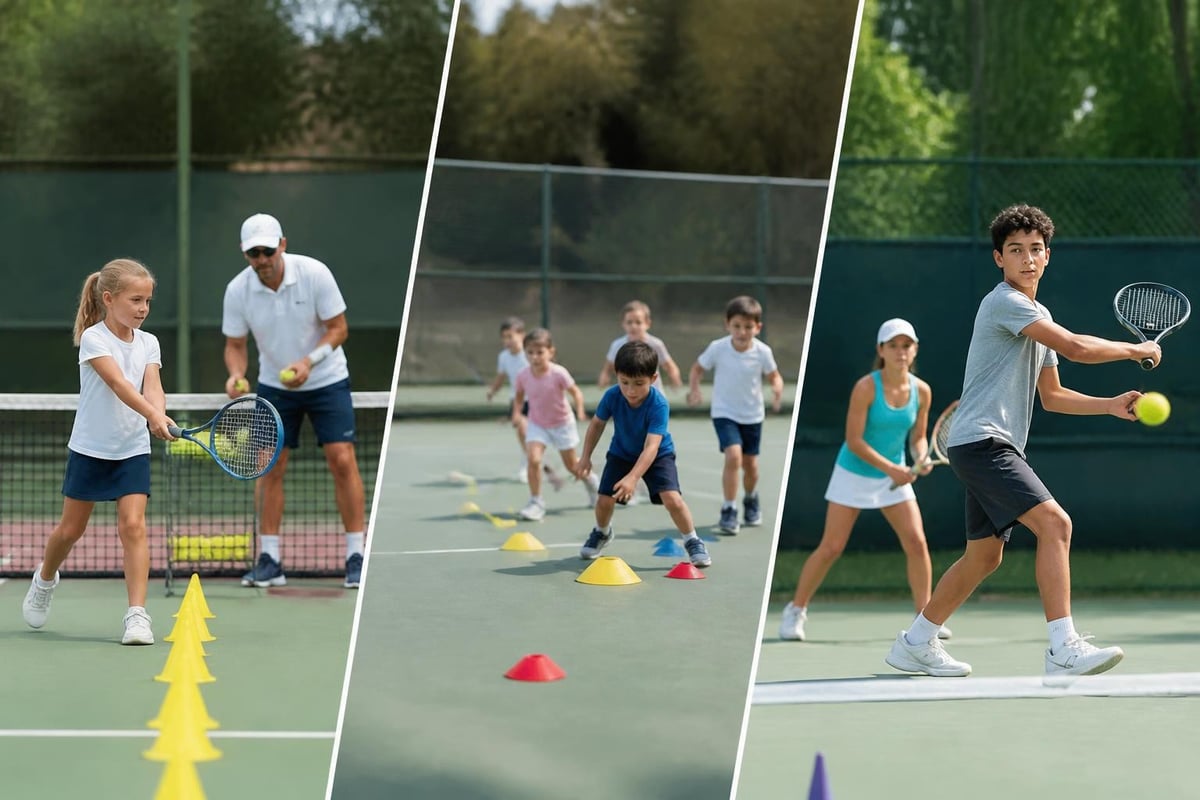
Junior class tennis programs balance skill development with age-appropriate engagement. Young children require shorter attention spans, game-based activities, and positive reinforcement. Pre-teens benefit from more structured technical instruction while maintaining fun elements. Teenagers serious about competitive play need intensive training resembling professional preparation.
The pathway from recreational junior class tennis to competitive development programs requires careful management. Players showing talent and commitment need guidance about training hours required at various competitive levels to set realistic expectations about advancement possibilities. Understanding that professional players typically train 20-30 hours weekly helps families evaluate their commitment capacity.
| Age Group | Class Duration | Technical Focus | Game Play Ratio | Weekly Frequency |
|---|---|---|---|---|
| 5-7 years | 30-45 min | Basic coordination | 70% games | 1-2 sessions |
| 8-10 years | 45-60 min | Fundamental strokes | 50% games | 2-3 sessions |
| 11-13 years | 60-90 min | Stroke refinement | 40% games | 3-4 sessions |
| 14-18 years (competitive) | 90-120 min | Advanced technique | 30% games | 5-6 sessions |
Adult Recreational Class Tennis
Adult learners bring unique advantages and challenges to class tennis environments. They typically demonstrate superior focus and motivation compared to children but face greater physical limitations and time constraints. Many adults also carry psychological baggage from previous negative learning experiences or frustration with lack of progress.
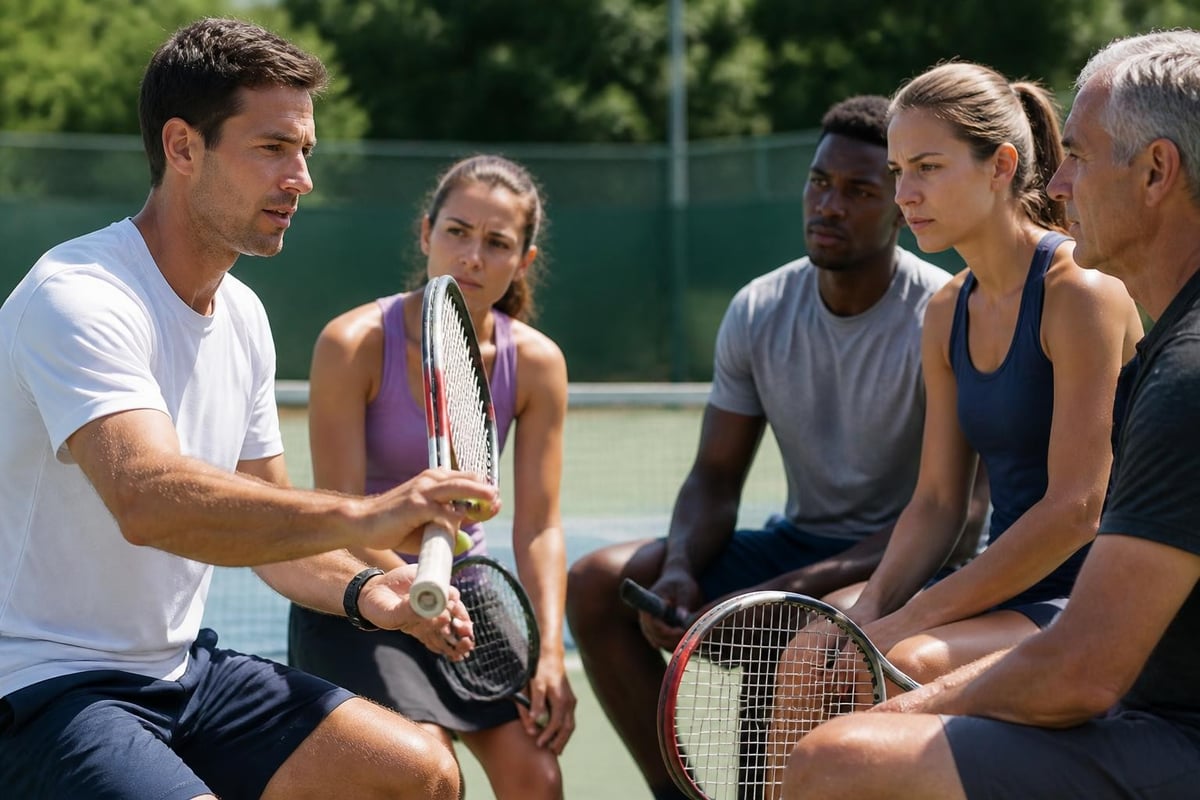
Class tennis for adults succeeds when it acknowledges these realities. Effective programs emphasize enjoyment alongside improvement, recognize that physical capabilities vary widely among participants, and provide clear explanations of technical concepts rather than expecting blind imitation. Adults particularly appreciate understanding the "why" behind instruction, making conceptual explanations crucial for buy-in.
The Economics and Accessibility of Class Tennis
The relationship between tennis and socioeconomic status raises important questions about whether tennis remains a sport primarily for the wealthy. Class tennis programs can either reinforce or challenge this dynamic depending on their pricing structures, location choices, and scholarship policies.
High-quality class tennis instruction requires significant investment in facilities, equipment, and qualified coaches. These costs inevitably affect pricing, potentially limiting access for lower-income families. However, community programs, municipal facilities, and non-profit organizations increasingly offer affordable class tennis options that maintain instructional quality while remaining financially accessible.
The rise of online coaching has dramatically altered class tennis economics. Virtual instruction eliminates travel time, reduces facility costs, and enables students to access expert coaches regardless of geographic location. While online class tennis cannot fully replace on-court instruction, it provides legitimate skill development opportunities at fraction of traditional costs, expanding access considerably.
Certification and Quality Standards in Class Tennis Instruction
Not all class tennis instruction delivers equivalent value. The coaching industry lacks consistent certification standards, meaning program quality varies enormously. Discerning consumers should investigate instructor credentials, teaching methodologies, student outcomes, and program structure before committing time and resources.
Professional certification programs train coaches in technical knowledge, teaching methodology, and class management. Organizations such as the Professional Tennis Registry (PTR) and United States Professional Tennis Association (USPTA) maintain certification standards, though certification alone doesn't guarantee teaching excellence. The most accomplished coaches typically combine formal credentials with extensive playing experience and continuous professional development.
Those interested in becoming certified tennis coaches should seek programs emphasizing practical teaching skills rather than purely theoretical knowledge. The ability to diagnose technical flaws, communicate corrections effectively, design progressive curricula, and manage diverse student personalities separates competent instructors from exceptional ones. Quality certification programs develop these practical competencies through supervised teaching experiences and rigorous evaluation.
Measuring Success in Class Tennis Environments
Defining and measuring success presents challenges in class tennis contexts. Simple metrics like rally length or serve accuracy provide objective data but capture only narrow aspects of player development. Comprehensive assessment requires evaluating technical proficiency, tactical understanding, physical conditioning, mental skills, and competitive performance.
Multi-dimensional class tennis assessment framework:
- Technical evaluation: Stroke mechanics, footwork, court positioning
- Tactical assessment: Shot selection, pattern recognition, strategic thinking
- Physical testing: Speed, agility, endurance, strength measurements
- Mental skills: Focus, resilience, competitive attitude, learning mindset
- Match performance: Tournament results, competitive win percentage
- Enjoyment factor: Sustained engagement, enthusiasm, social connections
Progressive class tennis programs establish baseline measurements in each category and track development over time. This data-driven approach enables instructors to identify specific weaknesses requiring attention and demonstrates concrete progress that motivates continued effort. Students seeing measurable improvement across multiple dimensions maintain commitment even when short-term results disappoint.
Future Directions in Class Tennis Methodology
The evolution of class tennis continues as new research, technologies, and teaching innovations emerge. Recent studies exploring AI applications in equitable tennis training demonstrate potential for technology to provide accurate skill-level classification and personalized training recommendations previously requiring expert human assessment. Similarly, reinforcement learning frameworks for strategy optimization suggest future class tennis may incorporate sophisticated decision-support systems helping students develop tactical intelligence.
The integration of sports science continues deepening, with class tennis increasingly incorporating principles from biomechanics, motor learning theory, and cognitive psychology. Understanding how neural pathways form during skill acquisition, how visualization enhances motor learning, and how variable practice improves retention allows instructors to design more effective training protocols.
Perhaps most significantly, the democratization of expertise through online platforms and digital resources means that geographic location no longer determines access to world-class instruction. Students anywhere can now access teaching methodologies and insights from legendary coaches like Carlos Rodriguez and other proven experts, fundamentally altering the class tennis landscape.
The concept of core teaching techniques in tennis extends beyond sports instruction, with tennis serving as a model for effective pedagogy across domains. This recognition that tennis teaching methodology offers broader educational insights elevates the importance of developing systematic, evidence-based approaches to class tennis instruction.
Class tennis represents the intersection of systematic methodology, scientific understanding, and practical application in tennis instruction. Whether you're a junior with professional aspirations, an adult seeking rapid improvement, or a coach wanting to elevate your teaching effectiveness, structured approaches deliver results that casual play never achieves. Tennis Method Mili Split (MSM) specializes in exactly this type of systematic instruction, with proven protocols that fix technical flaws and accelerate skill development faster than traditional methods. Explore how scientific coaching methodology can transform your tennis journey today.