
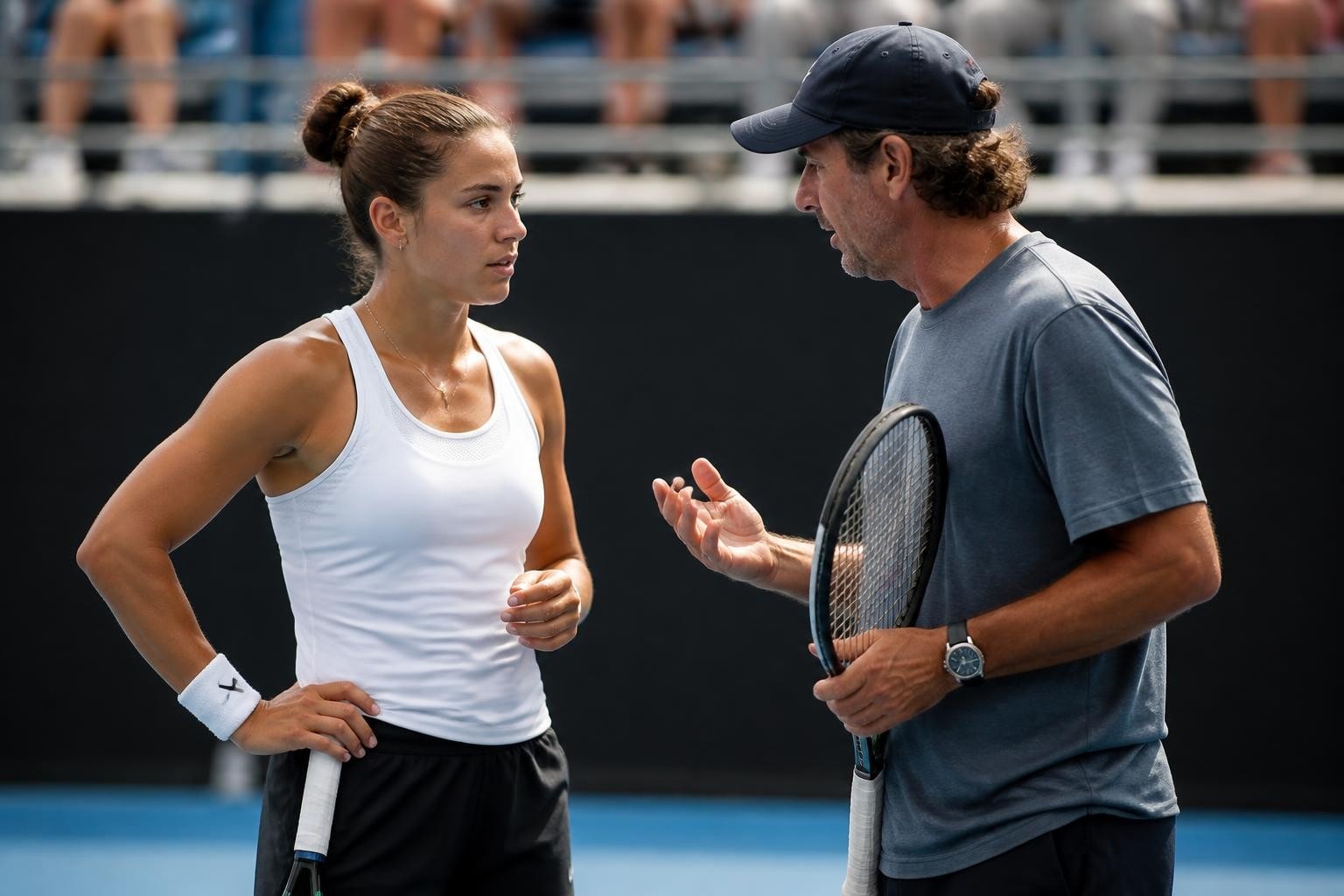
The relationship between a professional tennis player and their coach represents one of the most critical partnerships in sports. When examining coach Medvedev dynamics, we discover valuable insights into how elite-level instruction shapes performance, technical development, and competitive mindset. Daniil Medvedev's coaching journey offers a compelling case study for tennis professionals, aspiring coaches, and serious players who understand that the right guidance can transform raw talent into championship-caliber performance.
The Strategic Importance of Elite Coaching Partnerships
Professional tennis operates at a level where marginal improvements create substantial competitive advantages. The coach Medvedev relationship history demonstrates how sustained partnerships can elevate a player from promising talent to Grand Slam champion and world number one contender.
Building Championship-Level Technique
Elite coaches understand that technical refinement never stops, even at the highest levels. When analyzing what made the coach Medvedev partnership with Gilles Cervara so successful, we see a focus on systematic improvement across multiple dimensions:
- Baseline consistency and positioning that allowed Medvedev to neutralize opponents
- Return of serve mechanics that became a weapon rather than just defensive necessity
- Movement patterns optimized for modern baseline grinding
- Mental frameworks for handling pressure situations in crucial matches
The technical foundation built during these years helped Medvedev capture the 2021 US Open title and reach multiple Grand Slam finals. Fox Sports reports on Medvedev’s decision to part ways with his longtime coach following performance challenges, illustrating how even successful partnerships must evolve.
Understanding Coaching Transitions in Professional Tennis
The decision to change coaches at the professional level rarely comes lightly. When examining coach Medvedev transitions, we observe patterns that apply across competitive levels-from junior development to professional circuits.
Performance Plateaus and Strategic Changes
Every player encounters periods where progress stalls despite consistent effort. The coach Medvedev split with Gilles Cervara after eight seasons together reflects a common challenge in long-term coaching relationships.
| Coaching Change Factor | Impact on Performance | Development Consideration |
|---|---|---|
| Technical stagnation | Limited improvement in weak areas | Need for fresh analytical perspective |
| Mental approach shifts | Difficulty maintaining motivation | Psychological reset through new voice |
| Tactical evolution | Game style becomes predictable | Introduction of new strategic concepts |
| Communication patterns | Diminishing returns from familiar feedback | Fresh communication unlocks new insights |
After nearly a decade together, TASS covers the announcement by French coach Gilles Cervara regarding the end of their collaboration, marking a significant shift in Medvedev's professional trajectory. This transition came after frustrating losses and on-court behavior issues that signaled deeper challenges beyond pure technique.
The Emotional Component of Coaching Changes
Professional athletes invest tremendous trust in their coaches. The coach Medvedev relationship exemplifies how emotional factors influence technical development and competitive performance.
The Associated Press reports on Medvedev’s $42,500 fine for unsportsmanlike conduct during a US Open match, demonstrating how frustration and mental state directly correlate with on-court behavior. These incidents often reflect underlying communication breakdowns or strategic disagreements within coaching partnerships.
New Directions: The Coach Medvedev Evolution Continues
Following his split with Cervara, Medvedev's approach to coaching partnerships evolved significantly. This feature from the Rolex Shanghai Masters explores his career crossroads with new coaches Thomas Johansson and Rohan Goetzke.
Selecting the Right Coaching Philosophy
Different coaches bring distinct philosophies and methodologies. The coach Medvedev selection process for new partnerships reveals critical considerations:
- Technical expertise aligned with specific stroke weaknesses
- Communication style that resonates with the player's learning preferences
- Strategic vision for tournament preparation and match tactics
- Personality compatibility for handling stress and maintaining motivation
- Track record with similar player profiles and technical challenges
For tennis coaches looking to develop systematic teaching methods that produce rapid technical improvements, understanding these elite-level dynamics provides valuable context. The tennis coaching courses offered through specialized programs can help instructors develop proven methodologies that guarantee measurable stroke improvements, similar to the precision demanded at professional levels.

Technical Coaching Principles from Elite Partnerships
The coach Medvedev case studies reveal universal principles applicable across skill levels. Whether working with junior players or competitive adults, certain coaching fundamentals remain constant.
Systematic Stroke Development
Professional coaches break down complex movements into teachable components. The coach Medvedev technical work historically focused on:
- Grip adjustments for optimal racket face control
- Loading mechanics that generate consistent power
- Contact point positioning for directional control
- Follow-through patterns that ensure spin generation
- Recovery steps that maintain court position
These technical elements require methodical instruction and precise feedback mechanisms. Many recreational players struggle with ingrained bad habits that limit their competitive ceiling, just as professionals occasionally hit technical plateaus requiring fresh coaching perspectives.
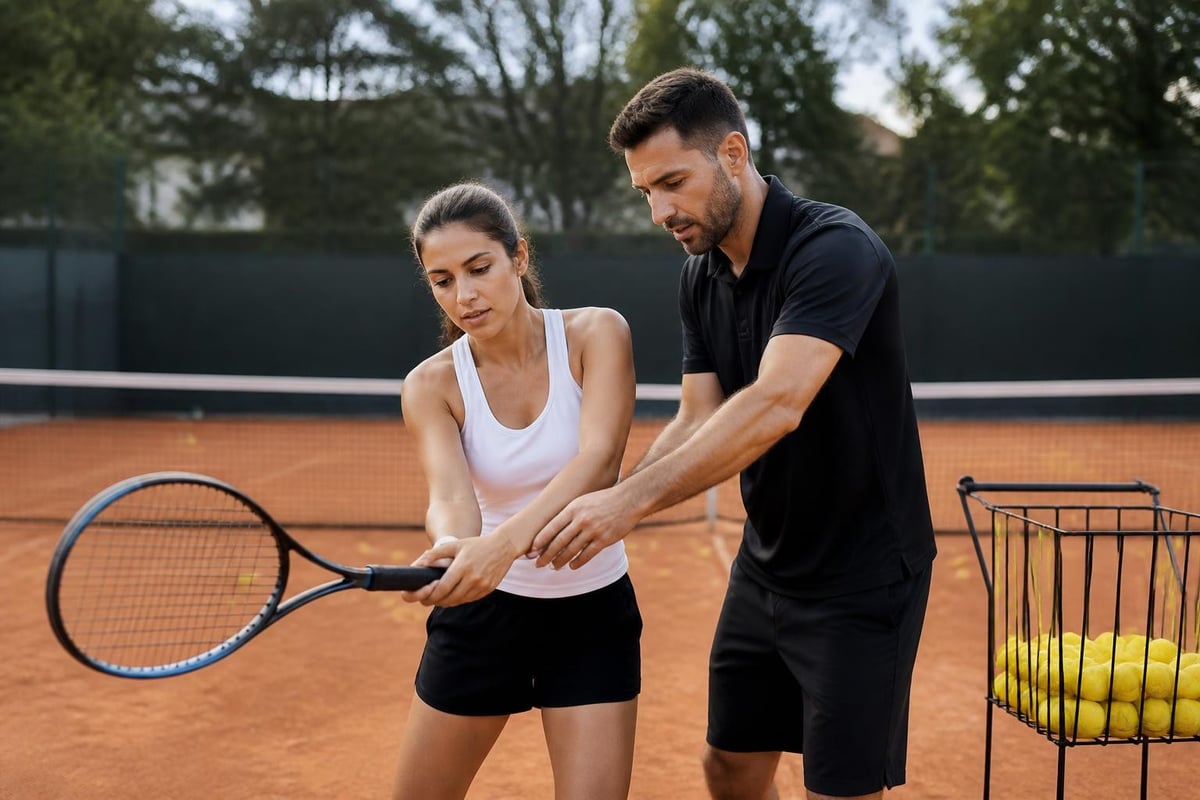
Mental Game Integration
Beyond physical technique, the coach Medvedev relationship highlights how mental coaching separates good players from great ones. Elite coaches address:
Emotional regulation strategies that prevent on-court meltdowns
Tactical decision-making frameworks for high-pressure situations
Confidence-building protocols following difficult losses
Competition mindset preparation for major tournaments
Aftonbladet reports on Medvedev’s first-round exit at the French Open 2026, highlighting his on-court frustrations-a reminder that even elite players require continuous mental game development regardless of their technical prowess.
What Tennis Coaches Can Learn from Professional Partnerships
Examining coach Medvedev dynamics provides actionable insights for tennis instructors at every level. The principles governing elite coaching relationships scale effectively to club-level instruction.
Communication Precision Matters
Professional coaches communicate with extraordinary precision. Rather than vague encouragement, they provide specific, actionable feedback:
- "Your contact point is six inches too far back" versus "swing earlier"
- "Load your right leg 70% before rotation" versus "get ready faster"
- "Extend your follow-through to shoulder height" versus "finish your swing"
This specificity accelerates learning because players understand exactly what to modify. The coach Medvedev technical discussions likely operated at this granular level, enabling rapid adjustments between matches.
Accountability Structures Drive Results
Elite coaching partnerships include clear accountability mechanisms. When the coach Medvedev relationship ended, both parties referenced the need for new energy and fresh perspectives-an acknowledgment that their accountability system had reached its natural limits.
| Accountability Element | Implementation Method | Expected Outcome |
|---|---|---|
| Performance metrics | Video analysis with quantifiable stroke measurements | Objective progress tracking |
| Practice intensity standards | Heart rate monitoring and drill completion rates | Consistent training quality |
| Tournament preparation protocols | Match simulation with pressure scenarios | Competitive readiness |
| Technical checkpoint reviews | Weekly assessment of specific stroke components | Continuous improvement |
The Future of Coaching Methodologies in Tennis
As the coach Medvedev story continues to unfold with new partnerships, the tennis world watches how modern coaching evolves. Technology integration, biomechanical analysis, and sports science increasingly inform elite instruction.
Data-Driven Technical Refinement
Modern coaches leverage technology that previous generations couldn't access:
High-speed video analysis reveals stroke mechanics invisible to the naked eye
Wearable sensors track movement patterns and physical load
Performance databases compare player statistics against optimal benchmarks
Virtual reality training simulates match pressure scenarios
However, technology never replaces the human element. The coach Medvedev relationship succeeded because of trust, communication, and shared commitment-qualities no algorithm can replicate.
Specialized Teaching Systems
Professional tennis increasingly values coaches who develop systematic teaching methodologies. Rather than generic instruction, specialized systems offer reproducible results across different student populations.
L’Équipe provides a detailed account of the eight-season collaboration between Medvedev and Cervara, emphasizing how their systematic approach to technical development produced consistent Grand Slam results.
Applying Professional Insights to Player Development
The coach Medvedev lessons extend far beyond professional tennis. Club players, junior competitors, and recreational enthusiasts all benefit from understanding how elite coaching partnerships function.
Identifying Your Coaching Needs
Before selecting a coach or coaching program, assess your specific requirements:
- Technical deficiencies that limit competitive performance
- Mental barriers preventing consistent execution under pressure
- Tactical gaps in match strategy and shot selection
- Physical limitations requiring specialized conditioning
- Learning style preferences that determine effective instruction methods
The coach Medvedev partnership worked because it addressed all these dimensions simultaneously. Recreational players deserve the same comprehensive approach, scaled appropriately to their competitive level.
The Value of Specialized Instruction
Generic coaching produces generic results. Players serious about improvement seek instructors with proven methodologies that guarantee specific outcomes within defined timeframes.
Whether you're a junior player aspiring to collegiate tennis, a club competitor fixing long-standing technical flaws, or a coach seeking advanced teaching certifications, specialized instruction accelerates progress. The systematic approaches used at professional levels can be adapted for players at every stage of development.
Long-Term Development Versus Quick Fixes
The coach Medvedev eight-year partnership demonstrates that sustainable excellence requires time, patience, and systematic development. Quick fixes rarely produce lasting results at any competitive level.
Building Technical Foundations
Professional players spend years refining fundamentals. The coach Medvedev technical work included constant adjustments to seemingly minor details:
- Grip pressure variations for different shot types
- Stance width modifications based on court surface
- Follow-through adjustments for different tactical situations
- Footwork patterns optimized for opponent tendencies
These refinements accumulate over time, creating the technical mastery that separates elite performers from the rest. However, the right coaching methodology can dramatically accelerate this timeline without sacrificing long-term development.
Balancing Immediate Needs with Future Goals
Every coach Medvedev decision balanced immediate tournament preparation against long-term career development. This same balance applies to players at every level:
Short-term focus: Preparing for upcoming tournaments with current technical capabilities
Long-term focus: Rebuilding stroke mechanics for higher competitive ceiling
The most effective coaches help players navigate this tension, making strategic decisions about when to compete with existing skills versus when to step back for fundamental reconstruction.
The Coach-Player Communication Dynamic
Success in any coach Medvedev partnership depends on clear, honest communication. Professional relationships thrive when both parties commit to transparent feedback and mutual accountability.
Creating Productive Feedback Loops
Elite coaching requires constant information exchange:
- Players articulating exactly what they feel during stroke execution
- Coaches translating technical observations into actionable corrections
- Video review sessions with specific focus points
- Performance data analysis identifying patterns and trends
This communication intensity separates transformative coaching relationships from casual instruction. The coach Medvedev split likely occurred partly because this feedback loop had exhausted its productive capacity after eight seasons together.
Managing Expectations Realistically
Professional tennis teaches harsh lessons about realistic timelines. Technical changes at the elite level often require months of consistent practice before producing competitive results. The coach Medvedev relationship succeeded because both parties maintained realistic expectations about improvement trajectories.
Recreational players sometimes expect overnight transformations that even professionals can't achieve. Effective coaches set clear expectations about what's achievable within specific timeframes, then deliver on those promises through systematic instruction.
The coach Medvedev story illustrates how elite coaching partnerships shape competitive success through technical precision, strategic planning, and sustained commitment. These same principles apply at every competitive level, from junior development through professional circuits. Tennis Method Mili Split (MSM) brings this professional-level precision to players and coaches seeking guaranteed technical improvements, offering specialized instruction that produces measurable results in remarkably short timeframes through proven systematic methodologies.