
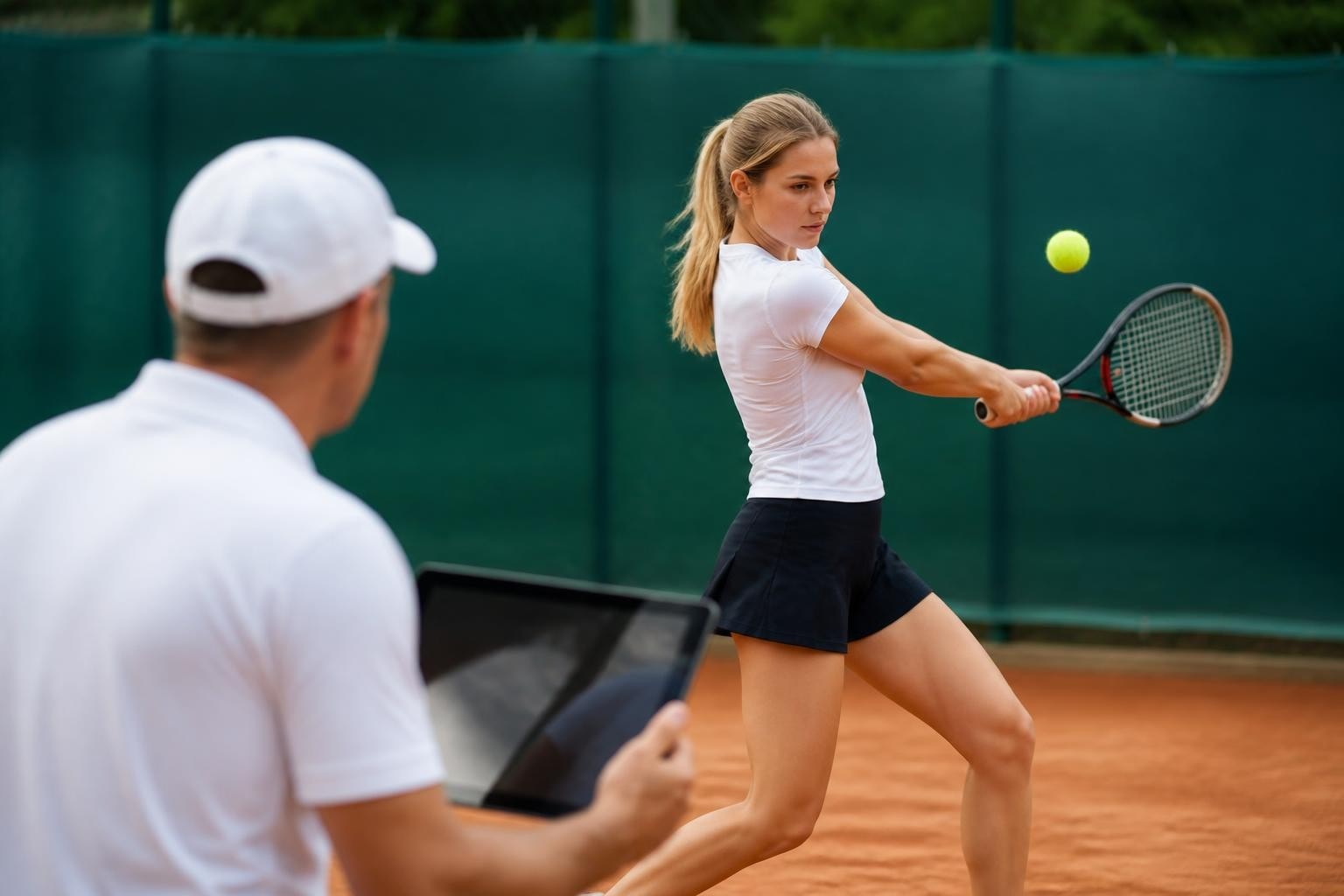
Tennis coaching has evolved dramatically over the past two decades, shifting from traditional trial-and-error approaches to scientifically grounded methodologies that produce measurable results. Ace tennis coaching represents the pinnacle of this evolution, combining technical precision with accelerated learning frameworks that transform players at every level. Whether you're a junior aiming for professional status, a recreational player struggling with persistent technical flaws, or a coach seeking to elevate your teaching repertoire, understanding what separates exceptional coaching from conventional instruction becomes crucial for achieving breakthrough performance.
The Science Behind Effective Tennis Instruction
Modern ace tennis coaching relies heavily on biomechanical principles and motor learning research to optimize stroke development. The traditional approach of repeating thousands of shots hoping for gradual improvement has given way to targeted interventions that address root causes of technical deficiencies.
Research demonstrates that foundational grip development significantly impacts player progression, yet many coaches overlook this critical component. An ace tennis coaching program begins with precise grip assessment, recognizing that even minor grip variations can cascade into major stroke inefficiencies.
Biomechanical Analysis in Modern Coaching
Elite coaching programs now incorporate:
- High-speed video analysis to identify mechanical breakdowns
- Kinetic chain assessment from ground force generation through contact point
- Muscle activation sequencing to ensure optimal power transfer
- Joint angle measurements for consistency and injury prevention
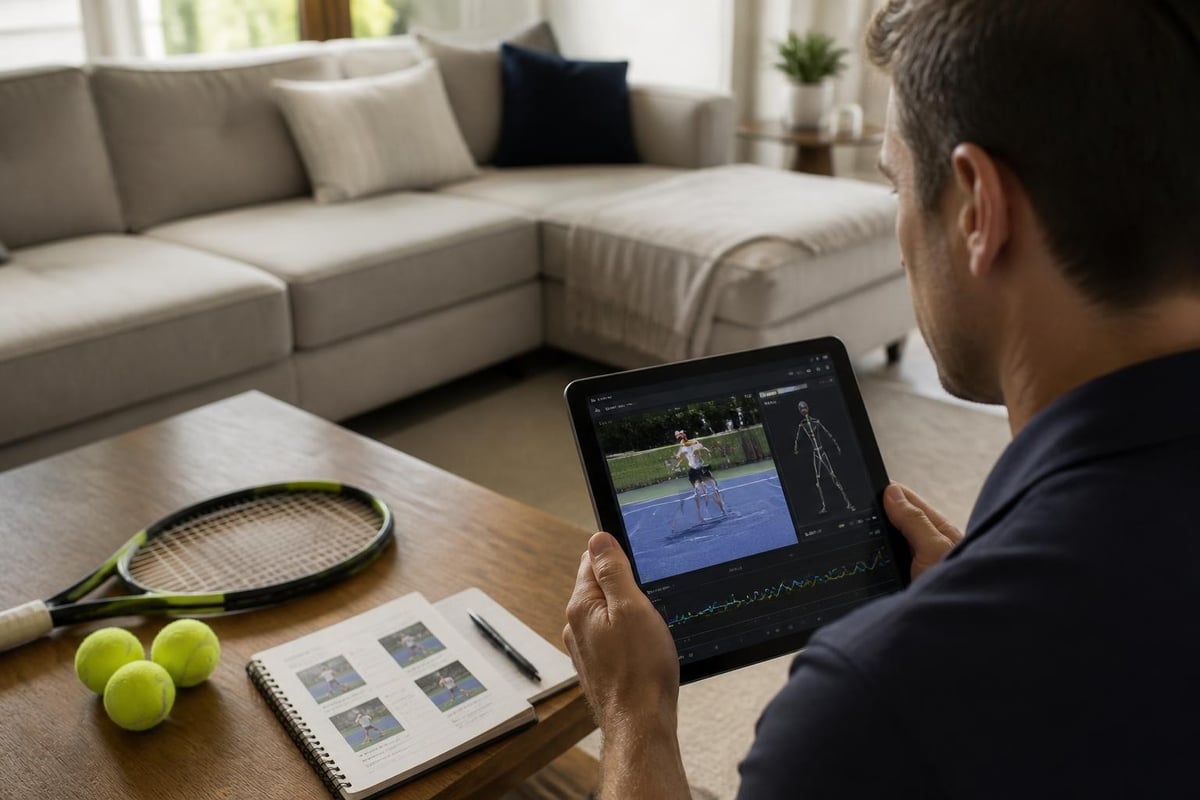
The integration of technology enables coaches to provide objective feedback rather than relying solely on visual observation. This scientific approach accelerates learning by giving players concrete data about their stroke mechanics.
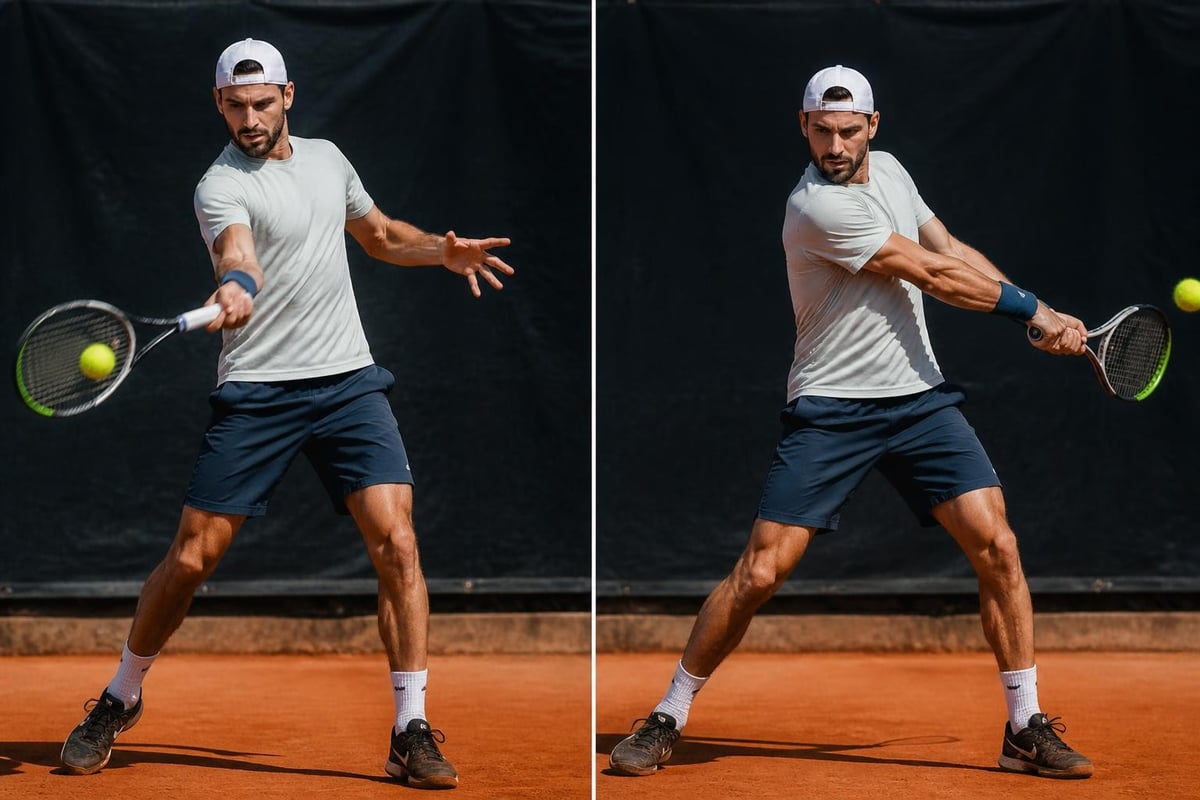
The Split Method: Revolutionary Stroke Correction
One of the most innovative approaches in ace tennis coaching involves breaking down complex stroke patterns into isolated components. This methodology addresses the fundamental challenge that most players face: trying to fix multiple technical elements simultaneously leads to confusion and inconsistent results.
The segmentation approach works because it respects how the brain acquires motor skills. By isolating specific movement patterns, players can develop muscle memory for each component before integrating them into the complete stroke.
| Traditional Approach | Split Method Approach |
|---|---|
| Practice full strokes repeatedly | Isolate stroke segments |
| Hope errors self-correct | Target specific mechanical flaws |
| Weeks or months for improvement | Days for measurable progress |
| General feedback | Precise technical corrections |
This systematic breakdown enables coaches to guarantee stroke improvement within remarkably compressed timeframes. When players master individual components, the integration phase happens naturally and rapidly.
Component Isolation Strategy
Ace tennis coaching programs that utilize segmentation typically follow this progression:
- Grip establishment with exact hand positioning and pressure distribution
- Preparation phase focusing on unit turn and racket position
- Forward swing initiation emphasizing weight transfer and hip rotation
- Contact point optimizing racket face angle and ball placement
- Follow-through ensuring complete extension and balance recovery
Each phase receives dedicated attention until the player demonstrates consistent execution. This granular approach eliminates the common problem of fixing one element while unknowingly degrading another.
Online Coaching: Breaking Geographic Barriers
The digital revolution has transformed ace tennis coaching accessibility, proving that distance need not limit instructional quality. Advanced online platforms now deliver results that rival or exceed traditional in-person lessons through strategic use of technology and structured feedback systems.
Successful online tennis programs leverage:
- Video submission platforms for detailed stroke analysis
- Frame-by-frame annotation tools highlighting specific technical points
- Customized drill sequences tailored to individual weaknesses
- Regular progress assessments with measurable benchmarks
The key advantage of online coaching lies in its repeatability. Players can review instructional videos multiple times, ensuring complete understanding before attempting corrections. This self-paced element often accelerates learning compared to traditional lessons where information is delivered once and must be immediately absorbed.
Recent advances in video semantic parsing have enhanced coaches' ability to provide comprehensive technical feedback remotely, making online instruction increasingly sophisticated and effective.
Player Development Across Different Levels
Ace tennis coaching must adapt its approach based on player aspirations and current skill levels. The methodology that works for aspiring professionals differs significantly from strategies appropriate for recreational players seeking rapid improvement.
Junior Players Pursuing Professional Careers
Young athletes with professional ambitions require intensive technical refinement combined with tactical sophistication and mental resilience training. The foundation built during developmental years determines their competitive ceiling.
For juniors, ace tennis coaching emphasizes:
- Technique perfection before competitive pressure creates bad habits
- Pattern recognition to anticipate opponent strategies
- Physical conditioning tailored to tennis-specific movements
- Tournament preparation including mental skills and match simulation
The window for optimal skill acquisition in tennis is relatively narrow, making efficient coaching methodologies essential. Wasting years on ineffective instruction can permanently limit a junior's professional potential.
Serious Recreational Players
Club-level players often carry ingrained technical flaws that limit their enjoyment and competitive success. These established patterns prove particularly challenging because muscle memory must be actively rewritten rather than simply developed.
| Common Technical Flaws | Correction Approach |
|---|---|
| Incorrect grip causing inconsistency | Precise repositioning with tactile cues |
| Poor preparation limiting power | Unit turn drills with timing emphasis |
| Contact point too far back | Ball placement exercises with visual targets |
| Incomplete follow-through | Extension drills with balance checkpoints |
Recreational players benefit enormously from ace tennis coaching because efficient correction methods deliver rapid satisfaction. Seeing measurable improvement within days rather than months maintains motivation and commitment to the learning process.
For those committed to serious improvement, exploring structured tennis coaching courses provides the systematic approach necessary to overcome stubborn technical limitations. These programs offer both in-person and online options, making high-quality instruction accessible regardless of location.

Coach Certification and Professional Development
The tennis instruction industry faces a significant quality gap, with certification standards varying widely across organizations. Ace tennis coaching requires instructors to master not just playing skills but also teaching methodology, biomechanical analysis, and communication techniques.
Advanced Teaching Methodologies
Exceptional coaches distinguish themselves through their ability to diagnose technical problems accurately and prescribe targeted solutions. This requires deep understanding of:
- Movement mechanics across different body types and ages
- Learning style variations and how to adapt instruction accordingly
- Progressive drill design that builds skills sequentially
- Error correction strategies that address causes rather than symptoms
Many traditionally certified coaches lack exposure to cutting-edge methodologies that produce accelerated results. Professional development opportunities that teach advanced technical concepts enable instructors to stand out in a crowded market.
The Competitive Advantage of Specialized Training
Coaches who invest in advanced certification programs gain several competitive advantages:
- Guaranteed results that attract serious students willing to invest in quality instruction
- Higher pricing power justified by demonstrable outcomes
- Student retention through visible progress and satisfaction
- Referral generation from students experiencing breakthrough improvements
- Professional credibility that differentiates them from conventional instructors
The coaching market increasingly rewards specialists who can deliver specific, measurable outcomes rather than generalists offering generic instruction.
Mental Rehearsal and Performance Visualization
While technical proficiency forms the foundation of tennis excellence, ace tennis coaching also incorporates psychological training to maximize performance under pressure. Research on motor imagery during grip modulation reveals how mental rehearsal influences actual execution quality.
Effective mental training components include:
- Pre-shot routines that create consistency and focus
- Visualization of successful stroke execution with precise detail
- Breathing techniques for managing competitive stress
- Self-talk patterns that reinforce technical cues
Players who combine technical mastery with mental skills consistently outperform those with superior physical abilities but weaker psychological preparation. The integration of these elements distinguishes comprehensive coaching programs from purely mechanical instruction.
Virtual Reality and Immersive Training
Emerging technologies are expanding the possibilities for tennis instruction beyond traditional court-based lessons. Innovative approaches using immersive virtual reality environments allow players to practice decision-making and stroke execution in simulated match conditions.
These technological advances complement rather than replace traditional coaching, providing additional repetition opportunities and specific scenario training that would be impractical on physical courts.
Measuring Coaching Effectiveness
Ace tennis coaching distinguishes itself through commitment to measurable outcomes rather than vague promises of improvement. Effective programs establish clear benchmarks and track progress systematically.
| Performance Metric | Assessment Method | Frequency |
|---|---|---|
| Stroke consistency | Rally length statistics | Weekly |
| Power generation | Radar gun measurements | Bi-weekly |
| Placement accuracy | Target hit percentages | Each session |
| Match performance | Win/loss ratios and game statistics | Monthly |
Data-driven coaching enables both instructor and student to identify what's working and what requires adjustment. This objective approach eliminates guesswork and ensures continuous improvement.
Short-Term Versus Long-Term Goals
Effective coaching balances immediate technical corrections with sustainable long-term development. While rapid improvement provides motivation, the ultimate goal involves building stroke patterns that remain reliable under competitive pressure and continue improving over years.
Players should expect visible progress within the first few sessions when working with quality instruction. If improvements aren't evident quickly, the coaching methodology or instructor qualification deserves scrutiny.
Selecting the Right Coaching Approach
With numerous coaching options available, players must evaluate programs based on methodology, credentials, and demonstrated results rather than marketing claims alone. Ace tennis coaching programs typically share these characteristics:
- Specific guarantees about improvement timeframes
- Scientific foundation explaining why techniques work
- Documented success with diverse player types
- Systematic progression rather than random drill selection
- Personalized assessment identifying individual technical needs
Generic group clinics rarely produce significant technical improvement for serious players because they cannot address individual mechanical issues. Investment in specialized instruction pays dividends through accelerated progress and avoidance of the frustration that comes from ineffective practice.
The Tennis Method approach exemplifies these principles, offering structured pathways for players and coaches seeking scientifically grounded instruction that delivers measurable results quickly.
The Future of Tennis Instruction
Tennis coaching continues evolving as new research illuminates optimal learning strategies and technology provides increasingly sophisticated training tools. The trend toward specialization and guaranteed outcomes will likely intensify as players become more discerning consumers of instruction.
Emerging developments include:
- Artificial intelligence analysis providing real-time stroke feedback
- Wearable sensors tracking biomechanical patterns during play
- Global coaching networks enabling access to elite instruction regardless of location
- Standardized certification programs emphasizing teaching methodology over playing credentials
These advances democratize access to ace tennis coaching, breaking down traditional barriers of geography and cost that previously limited quality instruction to privileged populations.
Mastering tennis requires more than talent and practice; it demands scientifically sound instruction that efficiently corrects technical flaws and builds consistent stroke mechanics. The difference between mediocre and exceptional coaching often determines whether players reach their potential or remain frustrated by persistent limitations. Since 2005, Tennis Method Mili Split (MSM) has pioneered the Split Method approach, guaranteeing forehand and backhand correction within three days per stroke through systematic component isolation and biomechanical precision. Whether you're a junior pursuing professional status, a recreational player overcoming ingrained habits, or a coach seeking advanced certification to transform your teaching effectiveness, the scientifically grounded methodologies developed by Mili Veljkovic deliver the breakthrough results that conventional instruction cannot match.