
10 Best Backhand Drills for Match Confidence
Confidence on the backhand does not come from telling yourself to relax. It comes from repetition that holds up when the score gets tight. The best backhand drills for match confidence are the ones that clean up contact, stabilize timing, and force you to execute under realistic pressure. If a drill looks good in practice but disappears at 4-4, it is not doing enough.
Most players lose trust in the backhand for one of three reasons. Their spacing changes under pressure. Their contact point drifts too close to the body. Or they practice beautiful rally balls without ever training decision-making. That is why confidence must be built in layers. First, you own the strike. Then you own the pattern. Then you own it when the score matters.
What backhand confidence actually looks like
Real confidence is not hitting one clean winner down the line in practice. It is knowing you can absorb pace, redirect crosscourt, defend with shape, and step in when the short ball arrives. For some players, that means a two-hander that stays compact and explosive. For others, it means a one-hander that stays balanced and clean through contact. The drill is only useful if it matches the stroke you actually use.
This is where many training plans fail. They chase variety instead of precision. You do not need twenty backhand drills. You need a few that fix the right fault and then progress into match situations.
Best backhand drills for match confidence start with clean contact
The first priority is contact quality. If the ball is not struck in the right zone, no amount of mental coaching will save the shot.
1. Shadow swing with split and spacing check
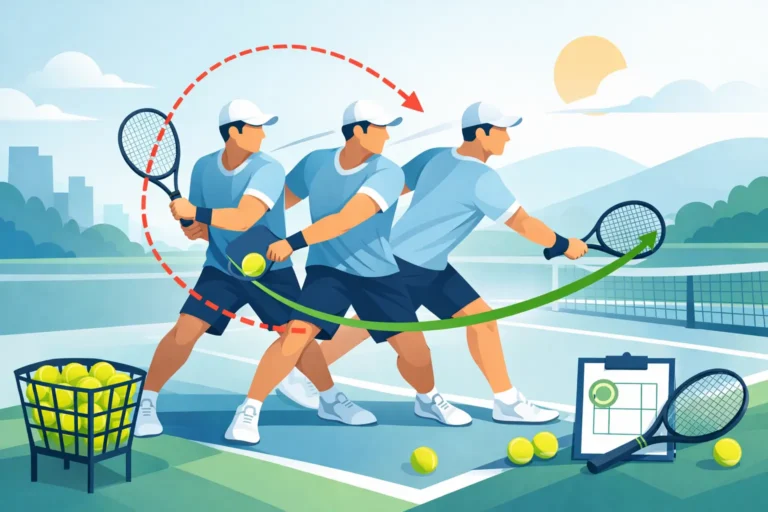
Start without the ball. Split, load, move to the side, and rehearse your backhand with a clear contact point out in front. Freeze at contact for a second. This sounds basic, but it is one of the fastest ways to correct spacing issues that show up under pressure.
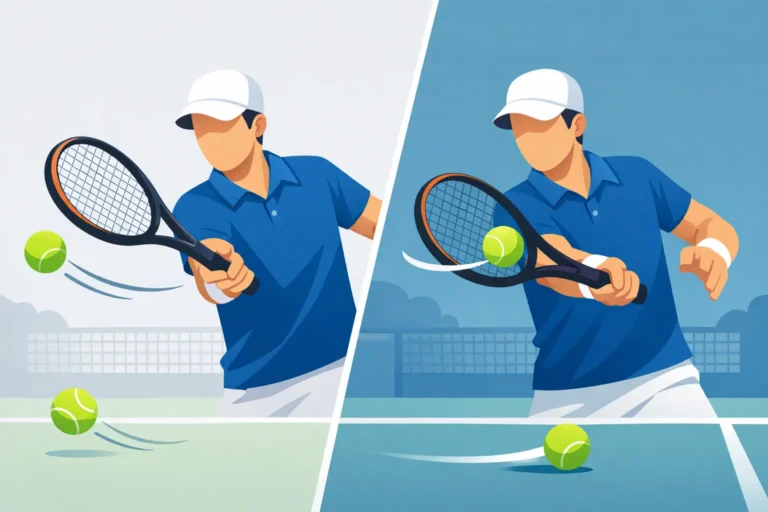
For a two-handed backhand, check that the chest stays stable and the hands work through the ball instead of around it. For a one-hander, check that the front shoulder stays organized and the hitting arm is not collapsing. Ten perfect rehearsals are better than fifty lazy ones.
2. Drop-feed backhand to one target
Now add the ball, but keep the variable count low. Drop-feed and drive ten balls in a row crosscourt to a large target area. Do not change direction yet. Your job is simple – same setup, same spacing, same contact.
This drill creates reliability because it strips away the noise. If you miss, you can identify why immediately. Too close. Too late. Falling away. Rushing the swing. Players gain confidence faster when feedback is obvious.
3. Two-bounce control drill
This is a strong reset drill for players whose backhand breaks down under speed. Feed the ball, let it bounce twice if needed during the learning phase, and focus on shape, balance, and extension. Then progress to a normal one-bounce strike.
Some coaches avoid simplified drills because they want everything to look advanced. That is a mistake. If the player cannot stabilize the movement pattern, full-speed rallying just repeats errors faster.
Build rally trust before you build pressure
Once contact improves, the next job is rally tolerance. Match confidence grows when the player knows the backhand can survive neutral exchanges without panic.
4. Crosscourt backhand exchange with height rules
Rally crosscourt backhand to backhand and require net clearance by at least three feet. This teaches a safer shape without turning the stroke passive. Too many players think confidence means hitting flatter. In reality, confidence often starts with a ball that gives you margin and still pushes your opponent back.
Set a target of twelve to twenty solid balls. If the rally breaks down early, do not just continue. Restart. The standard matters. Confidence built on sloppy reps is fake confidence.
5. Deep-middle recovery drill
Alternate one backhand crosscourt and one backhand through the deep middle. The middle ball matters because it is a pressure release option players ignore in matches. When they feel threatened, they try for too much angle or too much line.
Training the deep middle gives the player a reliable answer when position is compromised. That answer is gold in competition. A backhand does not have to be flashy to be trusted.
6. Defensive backhand with shape
Feed wider and deeper balls so the player must defend from the corner. The objective is not pace. The objective is height, depth, and recovery. Hit high over the net, land deep, recover fast.
This drill changes matches because confidence is not only about offense. A player who believes they can neutralize on the backhand side stops forcing low-percentage shots. That alone improves scoreboard performance.
The best backhand drills for match confidence must include direction changes
A backhand becomes dangerous when the player can choose, not just react. Direction control is where practice starts resembling match play.
7. Two crosscourt, one down the line
Rally two backhands crosscourt, then change the third one down the line. Repeat the pattern. This teaches shape first, then controlled redirection. It also teaches patience. Many players try to change direction from a poor ball and blame their technique when the real issue is shot selection.
The rule is simple. Only take the line when the contact point is clean and balanced. If the feed is late or jammed, stay crosscourt. This is how confidence gets attached to sound decisions instead of hope.
8. Short-ball step-in backhand drill
Feed a neutral backhand, then a shorter one. The player rallies the first ball with shape and steps into the second to attack. This is a major confidence builder because many backhands look stable in defense but disappear when it is time to move forward and finish the point.
Focus on footwork before power. If the feet do not organize early, the player rushes the swing and leaks errors. Good attacking backhands come from clean positioning, not extra effort.
Pressure is where trust becomes real
A technically sound backhand still needs pressure training. If your drills never punish hesitation, you are not preparing for matches.
9. Score-based backhand pattern game
Play points that must begin with a backhand exchange. For example, the first three balls of the point must go backhand crosscourt before the point opens up. Keep score. Use real scoring pressure at 30-30, deuce, and break point situations.
This format is powerful because it ties the stroke to consequence. A player learns quickly whether the backhand is dependable or just pretty in warm-up. It also reveals tactical habits. Some players defend well but never take control. Others pull the trigger too early.
10. One-miss reset challenge
Set a clear goal such as eight successful backhands to a target. One miss resets the count to zero. This creates internal pressure without needing a full match. It is simple, but it exposes concentration lapses fast.
The key is choosing a number that stretches focus without destroying form. If eight is too easy, go to twelve. If twelve turns into survival mode, drop back to ten. Pressure should sharpen mechanics, not wreck them.
How to choose the right drill for your backhand
Not every player needs the same progression. If your backhand breaks down on routine balls, start with spacing and contact drills. If you can rally well but miss when changing direction, spend more time on pattern work. If the stroke feels strong in practice but shaky in matches, score-based drills should become a larger part of training.
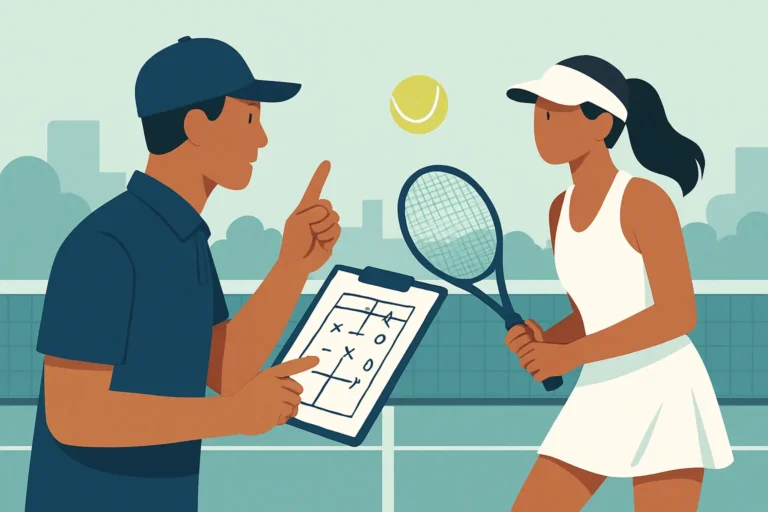
This is where a precise coaching method matters. Random baskets of balls create activity, not transformation. Mili’s Split Method is built on correcting the exact fault behind the miss, then reinforcing the fix until it holds up under pressure. That is why progress can happen quickly when the diagnosis is right.
There is also a difference between player level and player need. A junior competitor may need simple repetition with strict targets. An advanced player may need fewer technical reps and more scenario training. Coaches who understand this save months of wasted work.
What players get wrong about backhand confidence
They assume confidence is emotional first and technical second. It is usually the reverse. When the stroke is mechanically sound and tested in realistic patterns, the mind settles. Another common mistake is overtraining speed too early. Pace hides flaws for a few balls, then exposes them at the worst time.
Players also chase spectacular backhands when what they really need is a dependable one. The backhand that wins matches is often the one that stays organized on ordinary points. If you can absorb, redirect, and recover without panic, you force opponents to beat you honestly.
Train your backhand with that standard. Not for applause during practice. Not for one highlight shot. Train it until your body recognizes pressure and still produces the same clean strike. That is when confidence stops being a feeling and starts becoming a weapon.