
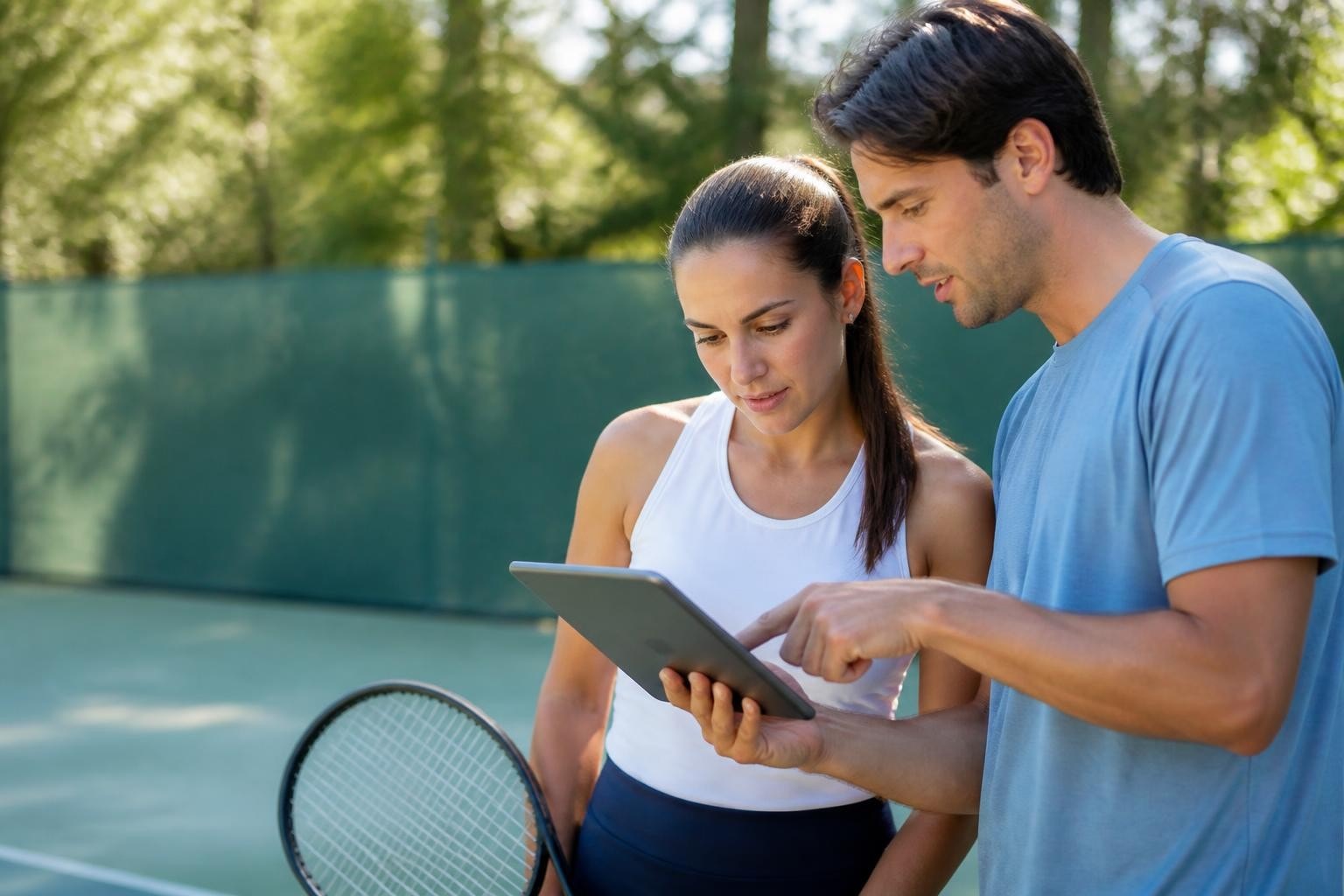
Finding the right tennis instruction can transform your game from frustrating to fulfilling. When you search for "private tennis lessons near me," you're taking the first step toward personalized improvement that group settings simply cannot match. Whether you're an adult player looking to fix long-standing technical issues, a junior aiming for competitive success, or even a coach seeking to enhance your teaching methods, understanding what makes private instruction effective will help you make the best choice for your tennis journey.
Understanding the Value of Private Tennis Instruction
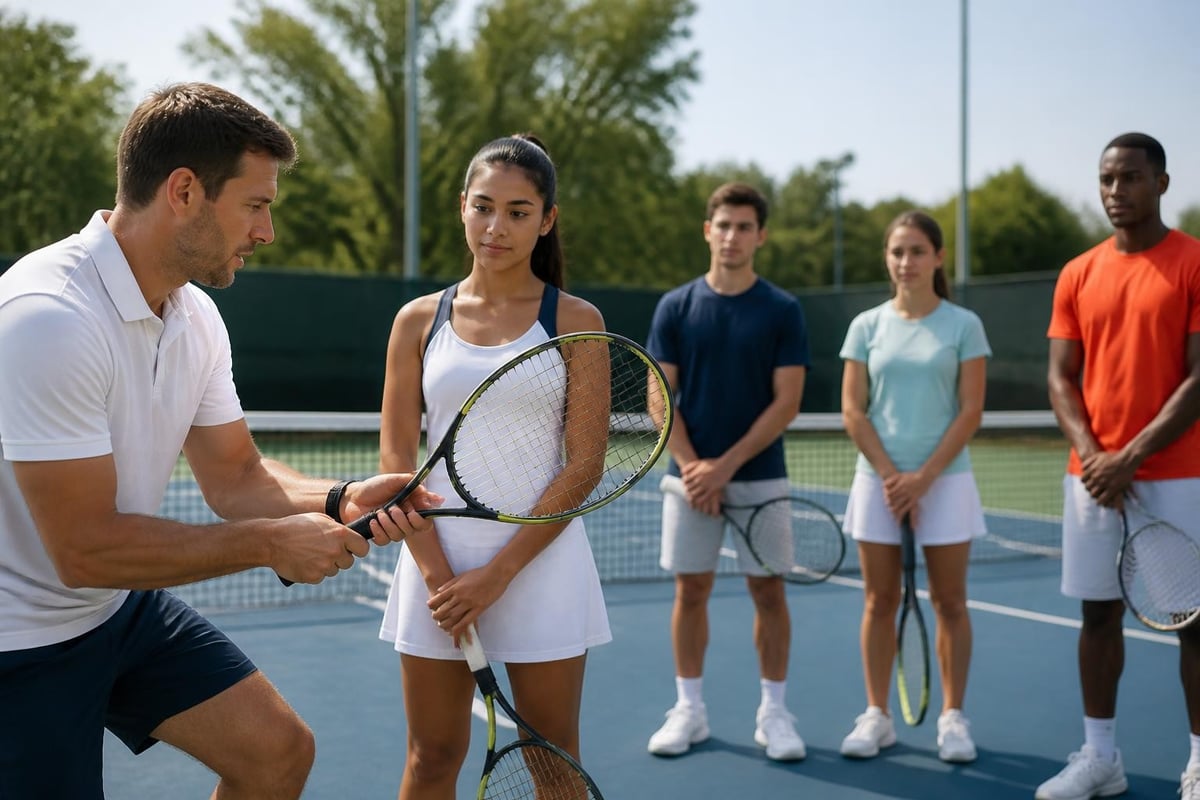
Private tennis lessons offer a level of attention and customization that separates serious improvement from casual play. Unlike group clinics where instruction gets divided among multiple students, one-on-one coaching focuses entirely on your specific needs, weaknesses, and goals.
The personalized approach allows instructors to identify technical flaws immediately and create correction strategies tailored to your learning style. Research shows that personalized attention accelerates skill development significantly compared to group settings. When an instructor dedicates their full attention to your forehand mechanics or serve toss, progress happens faster because every minute addresses your unique challenges.
Key Benefits of One-on-One Coaching
Immediate Technical Feedback stands as the most significant advantage. Your coach observes every stroke, identifies problems in real-time, and adjusts their teaching approach based on how you respond to different cues.
Flexible Scheduling accommodates busy lifestyles. Unlike group classes with fixed times, private sessions work around your availability, making it easier to maintain consistent training.
Customized Curriculum means you're never wasting time on skills you've already mastered. If your backhand needs work but your serve is solid, your coach allocates time accordingly.
Additional advantages include:
- Pace Control: Learn as quickly or methodically as needed
- Goal Alignment: Every session moves you toward specific objectives
- Confidence Building: Private settings reduce performance anxiety
- Technique Correction: Deep focus on fixing ingrained bad habits
How to Search for Private Tennis Lessons Near Me Effectively
Your search strategy determines the quality of options you'll discover. Simply typing "private tennis lessons near me" into a search engine provides a starting point, but refining your approach yields better results.
Digital Search Strategies
Start with location-specific searches that include your city or neighborhood name. This narrows results to coaches within reasonable driving distance and often surfaces smaller, high-quality instructors who don't appear in broader searches.
Online Platforms like CourtShare specialize in connecting players with certified tennis coaches, offering verified credentials and detailed profiles that help you assess compatibility before making contact.
Check multiple sources:
- Google Maps for nearby tennis facilities
- Tennis-specific directories and coaching platforms
- Local parks and recreation department listings
- Country club and tennis center websites
- Social media groups focused on local tennis communities
Leveraging Local Tennis Networks
The tennis community in your area knows who delivers results. Attend local tournaments, open play sessions, or social tennis events to gather recommendations from other players who have worked with coaches firsthand.
Tennis shops and pro shops at public courts often maintain referral lists or bulletin boards where coaches advertise their services. These physical locations connect you with instructors actively engaged in the local tennis scene.
| Search Method | Pros | Cons | Best For |
|---|---|---|---|
| Online Directories | Wide selection, verified credentials | May include outdated listings | Initial research phase |
| Local Referrals | Trusted recommendations, proven results | Limited to your network's experience | Finding quality matches |
| Tennis Facilities | Convenient locations, established programs | Higher pricing, less flexibility | Structured learning environments |
| Independent Coaches | Personalized service, competitive rates | Variable credentials, self-promotion | Experienced players with specific goals |
Evaluating Potential Tennis Coaches
Not all private tennis instructors offer the same value. Finding the right tennis coach requires evaluating several critical factors beyond proximity and price.
Credentials and Experience Matter
Professional certifications from organizations like the PTR (Professional Tennis Registry) or USPTA (United States Professional Tennis Association) indicate formal training in teaching methodology. However, certification alone doesn't guarantee teaching effectiveness.
Playing Experience provides technical knowledge, but teaching experience determines instructional skill. A coach who competed at high levels understands advanced concepts, yet a dedicated teaching professional often communicates concepts more effectively to recreational players.
Ask potential coaches about:
- Years of teaching experience
- Specialization in particular skill levels
- Success stories with students similar to you
- Teaching philosophy and methodology
- Continuing education in coaching techniques
Teaching Method and Philosophy Alignment
Different coaches employ vastly different approaches. Some focus heavily on biomechanics and technical precision, while others emphasize match strategy and mental game development. Understanding who benefits from private lessons helps you articulate what you need from instruction.
The most effective coaches utilize systematic methods for identifying and correcting technical flaws. Some innovative approaches promise rapid improvement through scientifically-based techniques that address the root causes of stroke deficiencies rather than surface-level adjustments.
Trial Lessons and Compatibility Assessment
Most quality instructors offer trial sessions at reduced rates. This initial lesson reveals teaching style, communication clarity, and whether the coach's personality meshes with your learning preferences.
During a trial lesson, observe:
- Communication Style: Do explanations make sense to you?
- Demonstration Quality: Can the coach show proper technique clearly?
- Feedback Specificity: Are corrections detailed and actionable?
- Patience Level: Does the instructor adapt when you struggle?
- Court Presence: Do they maintain energy and engagement?
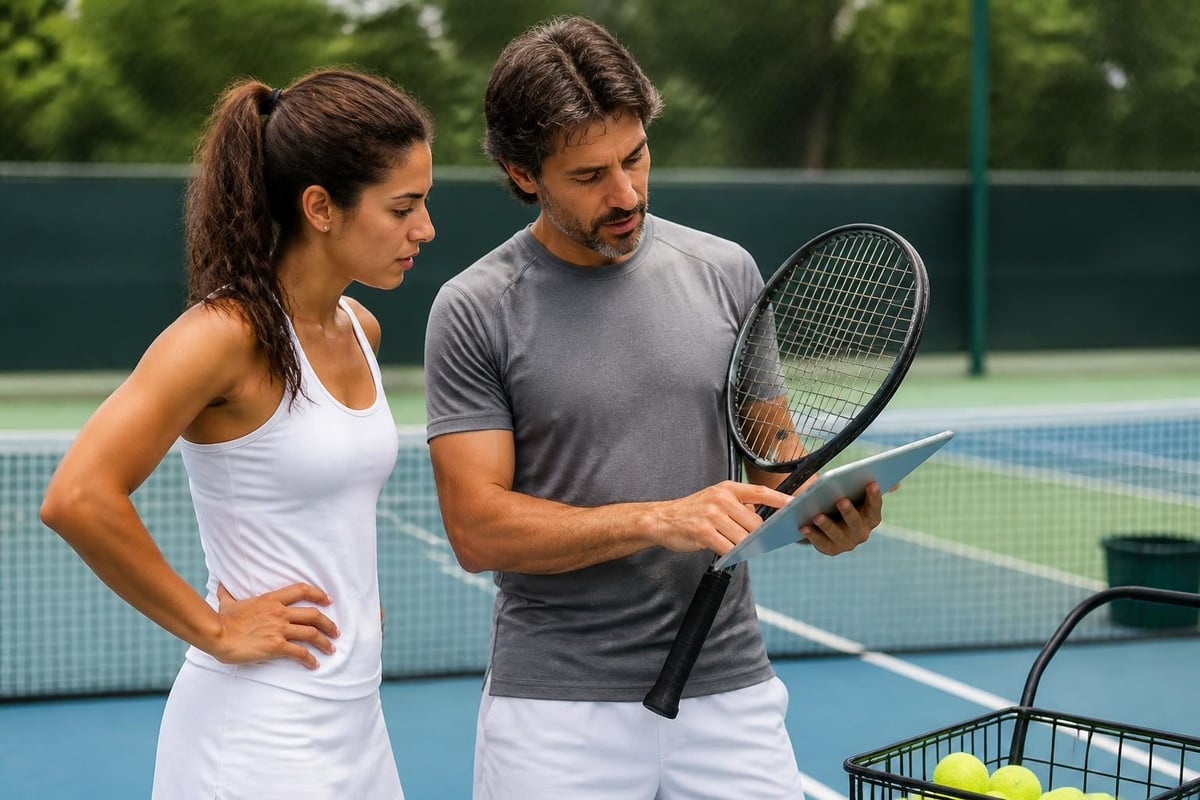
Pricing Structures for Private Tennis Lessons
Understanding typical costs helps you budget appropriately and recognize fair value versus overpricing in your area.
National and Regional Price Ranges
Private tennis lesson rates vary significantly based on geography, coach credentials, and facility overhead. Urban markets typically command higher rates than suburban or rural areas.
Average Pricing in 2026:
- Beginning coaches: $40-$60 per hour
- Experienced instructors: $60-$90 per hour
- Elite coaches with proven results: $90-$150+ per hour
- Former professional players: $150-$300+ per hour
These ranges reflect one-hour sessions, though some coaches offer 30-minute, 45-minute, or 90-minute options at adjusted rates.
Package Deals and Commitment Discounts
Many instructors incentivize consistent training through package pricing that reduces per-session costs when you purchase multiple lessons upfront.
| Package Size | Individual Rate | Package Rate | Savings |
|---|---|---|---|
| Single Lesson | $75 | $75 | 0% |
| 5-Lesson Pack | $75 | $70 | 7% |
| 10-Lesson Pack | $75 | $65 | 13% |
| Monthly Unlimited | $75 | $60 | 20% |
Semi-private lessons (two students sharing one coach) typically cost 60-75% of private rates per person, offering a middle ground between full private attention and group clinic pricing. Comparing these formats helps determine the best value for your situation.
Hidden Costs and Additional Fees
Beyond the hourly rate, consider potential additional expenses:
- Court Rental Fees: Some independent coaches don't include court costs
- Ball Fees: Fresh balls for each session add $5-$10
- Travel Charges: Coaches who come to your location may add fees
- Cancellation Penalties: Last-minute changes often incur charges
- Equipment Recommendations: Coaches may suggest specific gear purchases
What to Expect During Private Tennis Lessons
Understanding session structure helps you maximize value from each lesson and prepare appropriately.
Typical Session Flow and Duration
Most private tennis lessons follow a predictable pattern that balances skill development with practical application.
Warm-Up Phase (5-10 minutes):
- Light rallying to assess current form
- Dynamic stretching and movement patterns
- Mental preparation and session goal setting
Technical Instruction (30-40 minutes):
- Focused work on specific strokes or skills
- Drill repetition with real-time feedback
- Video analysis for visual learners
- Progressive difficulty as skills improve
Application and Practice (10-15 minutes):
- Point play incorporating new techniques
- Match simulation scenarios
- Homework drills and practice guidelines
Cool-Down and Review (5 minutes):
- Summary of key takeaways
- Assignment of practice exercises
- Scheduling and planning for next session
Progression Tracking and Goal Setting
Professional coaches establish measurable benchmarks from your first lesson. Rather than vague objectives like "improve my game," effective instructors set specific targets such as "increase first-serve percentage to 65%" or "develop topspin backhand consistency."
Regular assessment ensures you're progressing toward these goals. Some coaches use video comparison, showing your form from the first lesson against current technique to visualize improvement objectively.
The Tennis Method approach exemplifies systematic progression, with methodologies that guarantee specific stroke corrections within defined timeframes. When seeking tennis coaching courses, look for programs that outline clear learning pathways and measurable outcomes, whether you're a player looking to fix technical issues or a coach wanting to enhance your teaching effectiveness.
Private Lessons vs. Alternative Training Formats
Weighing private tennis lessons against tennis clinics requires honest assessment of your current needs, budget constraints, and learning style preferences.
When Group Settings Work Better
Group clinics excel in specific situations despite lacking personalized attention. Social learners who thrive on peer interaction and competitive energy often enjoy the group dynamic. Budget-conscious players get more court time per dollar spent.
Ideal Group Clinic Scenarios:
- Building match play experience with varied opponents
- Learning doubles strategy and court positioning
- Developing social connections within tennis community
- Maintaining fitness through regular play
- Introductory programs for absolute beginners
However, understanding the power of private instruction reveals limitations in group formats, particularly for players with ingrained technical problems requiring individualized correction.
Hybrid Approaches for Optimal Development
Many serious players combine formats strategically. Private lessons address technical deficiencies and introduce new skills, while group clinics provide match practice and tactical application.
Effective Hybrid Model:
- Monthly private lesson focusing on one technical element
- Weekly group clinic for match play and conditioning
- Independent practice implementing private lesson feedback
- Quarterly private assessment to evaluate progress and adjust focus
This balanced approach delivers personalized technical instruction while maintaining the social and competitive benefits of group tennis.
Advanced Considerations for Serious Players
Players committed to significant improvement should explore specialized coaching options that accelerate development beyond conventional instruction.
Online and Remote Coaching Options
Technology enables effective remote instruction that once seemed impossible. Players record their strokes during practice or matches, then submit videos for detailed analysis from coaches anywhere in the world.
This format provides access to elite instructors regardless of geographic location. Innovative AI-driven tennis training systems complement human coaching, offering data-driven insights into stroke mechanics and skill progression that enhance personalized instruction.
Benefits of Remote Coaching:
- Access to specialized expertise not available locally
- Flexible review schedule fitting any timezone
- Video library documenting your technical evolution
- Often more affordable than in-person sessions with equivalent expertise
Specialized Methods for Rapid Improvement
Traditional coaching sometimes struggles to correct deeply ingrained bad habits that have reinforced improper muscle memory over years of play. Scientific approaches that systematically deconstruct and rebuild stroke mechanics offer faster results for players frustrated by plateau performance.
Methods focusing on biomechanically efficient movement patterns can dramatically shorten the learning curve for both recreational players fixing old habits and competitive juniors building professional-level technique. Some proven systems guarantee specific improvements within remarkably short timeframes, addressing forehand and backhand issues with unprecedented efficiency.
Making Your Final Decision
After researching options and conducting trial lessons, trust both objective criteria and intuitive assessment when selecting your coach.
Red Flags to Avoid
Certain warning signs indicate potentially problematic coaching situations:
- Vague Methodology: Cannot explain their teaching approach clearly
- One-Size-Fits-All: Uses identical drills for every student regardless of level
- Credential Inflation: Exaggerates playing or teaching accomplishments
- Poor Communication: Doesn't respond promptly to messages or questions
- Negative Attitude: Criticizes other coaches or speaks dismissively about students
- Rigid Scheduling: Unwilling to accommodate reasonable schedule changes
- No Clear Progress Plan: Cannot articulate how they'll help you improve
Questions to Ask Before Committing
Logistical Considerations:
- What's your cancellation policy?
- Do you provide balls and equipment?
- Are court fees included or separate?
- How do you handle weather cancellations?
- What's your preferred payment method?
Instructional Approach:
- How do you assess new students?
- What's your teaching philosophy?
- How do you track student progress?
- Can you provide references from current students?
- How often do you recommend lessons for my goals?
Location and Facility Factors
Where you take private tennis lessons near me affects the overall experience beyond just the instruction quality.
Public Courts vs. Private Facilities
Public Parks and Recreation Courts offer the most affordable options but may lack amenities like lighting, quality surfaces, or weather protection. Availability can be inconsistent during peak hours.
Private Tennis Clubs provide pristine courts, climate-controlled indoor options, and professional atmospheres but typically charge premium rates for both court access and instruction.
Tennis-Specific Centers balance quality facilities with reasonable pricing, often featuring both indoor and outdoor courts, pro shops, and viewing areas.
| Facility Type | Average Court Quality | Weather Protection | Amenities | Best For |
|---|---|---|---|---|
| Public Parks | Fair to Good | Outdoor only | Basic | Budget-conscious players |
| Private Clubs | Excellent | Indoor + Outdoor | Extensive | Serious competitors |
| Tennis Centers | Very Good | Indoor + Outdoor | Moderate | Most players |
| Schools/Universities | Good | Variable | Limited | Students and local residents |
Indoor vs. Outdoor Considerations
Climate significantly impacts year-round training consistency. Players in regions with harsh winters benefit enormously from indoor facilities that enable continuous skill development regardless of weather.
Outdoor courts provide natural match conditions but limit training during rain, extreme heat, or cold temperatures. When searching for "private tennis lessons near me," prioritize facilities offering both options if your climate experiences seasonal extremes.
Technology Integration in Modern Tennis Instruction
Contemporary coaching increasingly leverages technological tools that provide insights impossible through observation alone.
Video Analysis and Biomechanical Assessment
High-speed cameras capture stroke mechanics at frame rates revealing subtle flaws invisible to the naked eye. Coaches overlay professional technique comparisons, showing exactly where your form diverges from optimal biomechanics.
Advanced line detection and analysis systems enhance coaching accuracy, particularly for serve placement and shot consistency assessment.
Some progressive coaches utilize:
- Motion Capture Systems: Track body positioning throughout strokes
- Launch Monitors: Measure ball speed, spin rate, and trajectory
- Wearable Sensors: Analyze movement patterns and court coverage
- AI-Powered Apps: Provide automated feedback on recorded practice sessions
Supplementing In-Person Instruction
Technology extends learning beyond scheduled lesson times. Coaches who provide video assignments, online drill libraries, or messaging support between sessions maximize improvement rates compared to once-weekly instruction with no interim contact.
Finding exceptional private tennis instruction transforms your game when you know what to look for and how to evaluate options effectively. By understanding pricing structures, teaching methodologies, and the unique benefits of personalized coaching, you can confidently select an instructor who accelerates your progress toward your tennis goals. For players seeking the fastest possible improvement through scientifically-proven methods, or coaches wanting to learn revolutionary teaching techniques, Tennis Method Mili Split (MSM) offers specialized programs that guarantee stroke correction with unprecedented efficiency, including remarkable results through online coaching for students worldwide.