

Finding the right tennis coach can transform your game, whether you're a beginner looking to master fundamentals or an advanced player aiming to refine technical details. The Lawn Tennis Association (LTA) provides valuable resources to connect players with qualified instructors, but understanding how to navigate these options requires knowing what to look for. When you lta find a coach through official channels, you gain access to professionals who meet specific industry standards, yet the coaching landscape extends beyond basic qualifications to include specialized methodologies that can accelerate your progress. This guide explores how to identify coaching excellence and make informed decisions about your tennis development.
Understanding the LTA Coach Accreditation System
The LTA maintains rigorous standards for tennis coaching professionals across the United Kingdom. When you lta find a coach through their platform, you encounter instructors who have completed specific certification pathways designed to ensure player safety and teaching competency.
Accreditation Levels and What They Mean
The LTA’s Coach Accreditation scheme establishes three primary levels of coaching credentials. Each tier reflects different experience levels and teaching capacities:
Level 1: Assistant Coach
- Works under supervision of higher-level coaches
- Focuses on fundamental skills and group sessions
- Ideal for beginners and junior programs
Level 2: Club Coach
- Delivers independent coaching sessions
- Develops tactical understanding and stroke mechanics
- Suitable for recreational and intermediate players
Level 3: Senior Club Coach
- Provides advanced technical and tactical coaching
- Works with competitive players and performance pathways
- Offers specialized training programs

The accreditation process ensures coaches understand safeguarding protocols, maintain appropriate insurance, and continue professional development. When you lta find a coach who holds current accreditation, you're selecting someone committed to maintaining professional standards.
Beyond Basic Qualifications
While LTA credentials provide baseline assurance, exceptional coaching often comes from instructors who combine formal qualifications with innovative methodologies. The tennis coaching landscape in 2026 increasingly recognizes that systematic approaches to stroke correction and technical refinement can produce faster results than traditional methods.
Some coaches spend decades developing proprietary teaching systems that address common technical flaws with precision. These specialized methods often complement formal qualifications, offering players accelerated improvement pathways that standard coaching programs may not provide.
How to Effectively Use LTA Find a Coach Resources
The LTA provides several tools to help players connect with qualified instructors. Understanding how to maximize these resources ensures you find the best match for your specific needs.
Search Filters and Location Parameters
When you lta find a coach using official databases, you can filter results by:
- Geographic location and distance from your postcode
- Coaching specialization (juniors, adults, performance)
- Qualification level and accreditation status
- Available session times and venue types
- Group or individual lesson preferences
| Search Criteria | Why It Matters | What to Consider |
|---|---|---|
| Proximity | Travel time affects consistency | Within 30 minutes recommended |
| Specialization | Teaching approach varies by age/level | Match to your demographic |
| Availability | Schedule alignment crucial | Peak times fill quickly |
| Venue Type | Indoor vs outdoor preferences | Weather reliability |
The most effective searches combine multiple filters to narrow results to highly relevant candidates. Rather than selecting the first available option, create a shortlist of three to five coaches who meet your primary criteria.
Evaluating Coach Profiles and Credentials
Professional coaching profiles should demonstrate more than basic qualifications. When you lta find a coach candidate, look for evidence of:
Teaching Philosophy
Does the coach articulate a clear approach to skill development? Vague descriptions often indicate generic teaching methods, while detailed methodologies suggest systematic instruction.
Specialization Evidence
Claims about expertise should align with demonstrated experience. A coach specializing in competitive juniors should reference tournament preparation, while technical specialists should discuss specific stroke correction approaches.
Continuing Education
The LTA’s coaching qualifications pathway encourages ongoing professional development. Coaches who pursue additional certifications or specialized training demonstrate commitment to excellence beyond minimum requirements.
Identifying Teaching Methodology That Matches Your Goals
Standard coaching qualifications establish competency baselines, but teaching methodology determines results. The difference between adequate instruction and transformative coaching often lies in systematic approaches to technical correction.
The Science of Rapid Technical Improvement
Modern tennis coaching increasingly embraces scientific approaches to biomechanics and motor learning. When you lta find a coach who employs systematic correction methods, you access teaching that addresses root causes rather than surface symptoms.
Traditional Approach Limitations
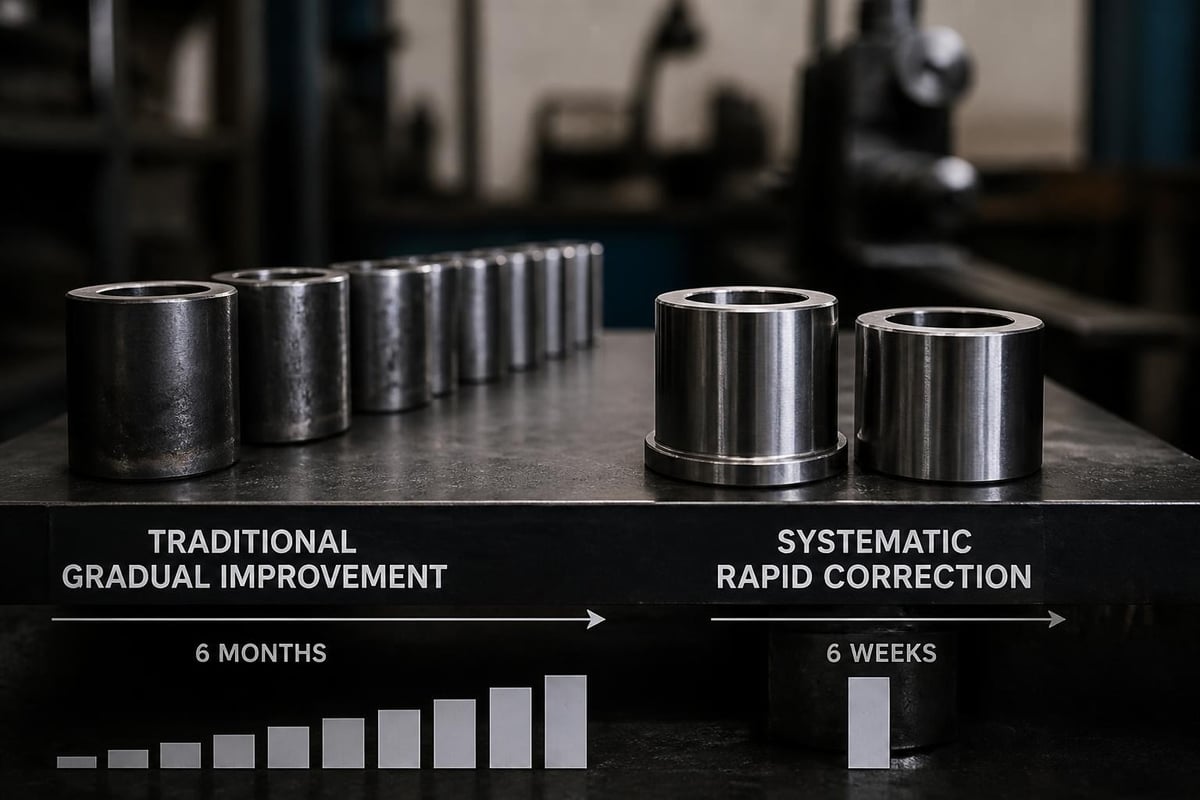
Conventional coaching often requires months or years to correct ingrained technical flaws. Repetition-based learning without precise biomechanical understanding can reinforce existing problems rather than solving them.
Scientific Correction Methods
Advanced teaching systems break down strokes into component elements, identifying specific mechanical issues that create performance limitations. The most sophisticated approaches can guarantee technical corrections within remarkably short timeframes.
For players serious about rapid improvement, exploring specialized coaching methodologies beyond standard LTA pathways can prove transformative. Programs focused on systematic stroke correction often achieve in days what conventional approaches require months to accomplish. Coaches who have developed these methods, like those offering tennis coaching courses built around scientific principles, provide alternatives worth considering alongside traditional search methods.

Questions to Ask Potential Coaches
Before committing to coaching sessions, conduct thorough consultations. When you lta find a coach who seems promising, prepare specific questions:
- How do you diagnose technical problems? Look for systematic assessment approaches rather than general observation.
- What timeline do you provide for specific improvements? Vague promises suggest uncertain methodology.
- Can you describe your stroke correction process? Detailed explanations indicate proven systems.
- How do you measure progress objectively? Video analysis and measurable metrics demonstrate professional rigor.
- What makes your approach different? Distinctive methodologies often produce superior results.
The Role of Safeguarding and Professional Standards
Player safety extends beyond physical injury prevention to include appropriate professional boundaries and child protection protocols. The LTA takes these responsibilities seriously through mandatory requirements.
Mandatory Standards for Coaches
The LTA’s coaching standards include comprehensive safeguarding requirements. When you lta find a coach through official channels, they must demonstrate:
- Enhanced DBS (Disclosure and Barring Service) clearance
- Safeguarding and protecting children certification
- Current first aid qualification
- Professional liability insurance
- Understanding of welfare reporting procedures
These requirements apply particularly to coaches working with junior players or in LTA-registered venues. Independent coaches operating outside formal club structures should still maintain these standards to ensure professional credibility.
Red Flags to Watch For
Even when using official resources to lta find a coach, maintain awareness of potential concerns:
Qualification Gaps
Coaches should willingly share credential details and verification information. Reluctance to provide accreditation numbers or certification dates warrants caution.
Communication Issues
Professional coaches maintain appropriate boundaries in all communications. Excessive contact outside scheduled sessions or requests for private social media connections indicate poor professional judgment.
Unrealistic Promises
While systematic methodologies can produce rapid results, coaches who guarantee specific outcomes without assessing your current level may lack credibility. The most reputable instructors, including those with proven rapid-correction systems, conduct thorough evaluations before making timeline commitments.
Comparing Independent Coaches and Club-Based Programs
The decision to lta find a coach through individual searches versus joining established club programs involves several considerations. Each option offers distinct advantages depending on your goals and preferences.
Independent Coach Benefits
| Advantage | Description | Best For |
|---|---|---|
| Personalized Attention | Fully customized instruction | Technical correction needs |
| Schedule Flexibility | Session timing tailored to you | Busy professionals |
| Methodology Selection | Choose specific teaching approach | Advanced players |
| Focused Goals | Concentrated skill development | Competitive preparation |
Independent coaching allows you to select instructors based on specialized expertise. Players requiring specific technical corrections often benefit most from coaches who have developed systematic approaches to common problems like forehand inconsistency or backhand weakness.
Club Program Advantages
Traditional club structures provide community, regular playing opportunities, and built-in practice partners. When you lta find a coach through club recommendations, you gain access to organized competitions and social tennis alongside instruction.
Social Development
Particularly valuable for juniors, club environments provide peer interaction and team dynamics that individual coaching cannot replicate.
Facility Access
Club membership typically includes court availability beyond scheduled lessons, enabling independent practice time.
Structured Progression
Many clubs offer tiered programs that move players through skill levels systematically, though these pathways may not address technical flaws as efficiently as specialized individual instruction.
Online Coaching and Remote Learning Options
The tennis coaching landscape evolved significantly since 2020, with digital instruction proving surprisingly effective for technical development. When you lta find a coach today, consider whether online options might serve specific needs.
Virtual Coaching Effectiveness
Remote instruction works particularly well for:
- Technical analysis through video submission and review
- Strategic development via screen-shared match footage
- Stroke correction using systematic methodologies that translate well to virtual formats
- Tactical planning for competitive players preparing for tournaments

Advanced coaching systems that focus on biomechanical precision can achieve remarkable results even without in-person sessions. Coaches who have refined their teaching to identify and correct specific mechanical issues through video analysis often produce outcomes comparable to traditional face-to-face instruction.
Hybrid Learning Models
The most effective modern coaching often combines in-person intensive sessions with ongoing virtual support. When you lta find a coach offering this approach, you gain flexibility and continuous feedback without requiring constant physical presence.
Players with established stroke mechanics benefit particularly from hybrid models, using occasional in-person reviews to verify technical adjustments made through remote coaching. This approach proves especially valuable for competitive players who travel frequently or live in areas with limited local coaching expertise.
Specialized Coaching for Different Player Categories
Effective coaching requires approaches tailored to specific player demographics and goals. When you lta find a coach, ensure their expertise aligns with your category.
Junior Development Pathways
Young players require coaching that balances technical development with age-appropriate competition and enjoyment. The best junior coaches understand long-term athletic development principles and avoid overspecialization that can lead to burnout.
Performance-Track Juniors
Players pursuing competitive careers need coaches who understand tournament preparation, mental skills development, and the physical conditioning required for elite play. When you lta find a coach for a performance junior, verify their experience producing players who have succeeded at regional or national levels.
Recreational Juniors
Not every young player aims for professional tennis. Coaches working with recreational juniors should emphasize skill acquisition, tennis appreciation, and lifetime participation rather than purely competitive outcomes.
Adult Recreational Players
Club-level adult players represent the largest coaching market segment. These players often carry technical habits formed years earlier that limit their current performance. When you lta find a coach for adult improvement, prioritize those with systematic approaches to correcting established patterns.
The challenge with adult recreational coaching lies in overcoming ingrained muscle memory. Coaches who understand motor learning principles specific to adult athletes achieve better results than those using methods designed for developing juniors. For comprehensive information on various coaching approaches, you can explore tennis method resources that address different player needs.
Aspiring Professional Players
Players pursuing professional careers require coaching far beyond standard club instruction. When you lta find a coach for this category, investigate their understanding of:
- Tournament scheduling and periodization
- Physical conditioning specific to competitive tennis
- Mental skills training and match psychology
- Technical refinement under competitive pressure
- Travel logistics and international competition preparation
Evaluating Trial Sessions and Making Final Decisions
Most professional coaches offer introductory sessions before requiring long-term commitments. Use these opportunities strategically when you lta find a coach who seems promising.
What to Assess During Trial Lessons
Communication Style
Effective coaching requires clear explanation of technical concepts. During trial sessions, note whether the coach provides specific, actionable feedback or relies on vague encouragement.
Diagnostic Ability
Quality coaches quickly identify limiting technical factors. Watch for systematic assessment approaches rather than generic observations about effort or attitude.
Teaching Progression
Even in single sessions, skilled instructors demonstrate logical skill-building sequences. Random drill selection without clear purpose suggests limited teaching methodology.
Personality Fit
Technical competence matters less if communication styles clash. The coach-player relationship requires mutual respect and compatible interaction preferences.
Making the Commitment
After completing trial sessions with multiple candidates, evaluate options against your specific criteria. When you lta find a coach who demonstrates the right combination of qualifications, methodology, and personal compatibility, commit to a defined period of regular instruction.
Most players benefit from minimum three-month coaching blocks, allowing sufficient time for technical adjustments to solidify. However, coaches employing systematic rapid-correction methods may produce measurable results much faster. For additional perspectives on effective tennis instruction, you might review coaching testimonials from players who have experienced different teaching approaches.
Investment Considerations and Coaching Costs
Tennis coaching represents a significant financial commitment. Understanding pricing structures helps you make informed decisions when you lta find a coach within your budget parameters.
Typical Pricing Ranges in 2026
| Session Type | Price Range (GBP) | Duration | Best Value For |
|---|---|---|---|
| Group Lessons | £15-30 per person | 60 minutes | Beginners, social players |
| Semi-Private | £25-45 per person | 60 minutes | Friends, family pairs |
| Individual Sessions | £40-80 | 60 minutes | Serious improvement |
| Intensive Programs | £300-800 | Multiple days | Technical correction |
| Online Coaching | £30-60 | 60 minutes | Remote learners |
Higher rates don't automatically indicate superior instruction. When you lta find a coach charging premium prices, ensure their methodology and results justify the investment. Conversely, budget options may provide adequate instruction for recreational goals without unnecessary expense.
Return on Investment Considerations
Evaluate coaching expenses against your tennis goals. Recreational players seeking social enjoyment require different investment levels than competitive athletes pursuing tournament success. The most cost-effective coaching delivers maximum improvement per hour invested, which systematic methodologies often provide more efficiently than conventional approaches.
For coaches who specialize in rapid technical correction, concentrated intensive programs may prove more economical than extended weekly sessions spread over months. When you lta find a coach offering guaranteed results within specific timeframes, calculate total costs against traditional coaching alternatives.
The Future of Tennis Coaching Standards
The tennis coaching profession continues evolving with technological integration, scientific understanding, and specialized methodologies. When you lta find a coach in 2026, you encounter an industry increasingly focused on measurable outcomes and evidence-based instruction.
Technology Integration
Modern coaches employ video analysis software, biomechanical tracking systems, and data analytics to quantify player development. These tools enable precise measurement of technical improvements that would remain subjective through traditional observation alone.
Artificial Intelligence Applications
Emerging AI systems can analyze stroke mechanics with unprecedented detail, identifying subtle flaws invisible to human observation. Forward-thinking coaches integrate these technologies while maintaining the personalized feedback that artificial systems cannot replicate.
Wearable Technology
Devices tracking racket speed, swing path, and impact location provide objective performance data. When you lta find a coach who incorporates these tools, you gain access to insights previously available only to professional players.
Specialized Methodology Recognition
The coaching industry increasingly acknowledges that innovative teaching systems can achieve results far exceeding conventional timelines. Methods focused on biomechanical precision and systematic correction represent the future of technical instruction, particularly for players frustrated by slow progress through traditional approaches.
Coaches who have invested decades developing proprietary systems often operate outside standard LTA pathways while maintaining accreditation requirements. When you lta find a coach offering specialized methodologies, investigate their track record and student outcomes rather than relying solely on standard qualifications. Resources about innovative coaching approaches can be found through tennis method services that showcase different instructional philosophies.
Finding the right tennis coach requires balancing official qualifications with teaching methodology that matches your specific goals and learning preferences. While LTA accreditation provides important baseline standards, the most transformative coaching often comes from instructors who have developed systematic approaches to rapid technical improvement. Whether you're a junior aspiring to professional play, a recreational adult looking to fix long-standing technical issues, or a coach seeking to enhance your own teaching capabilities, specialized methodologies can accelerate your development beyond conventional timelines. Discover how Tennis Method Mili Split (MSM) combines scientific precision with proven stroke correction systems to deliver results that traditional coaching approaches require months to achieve.