
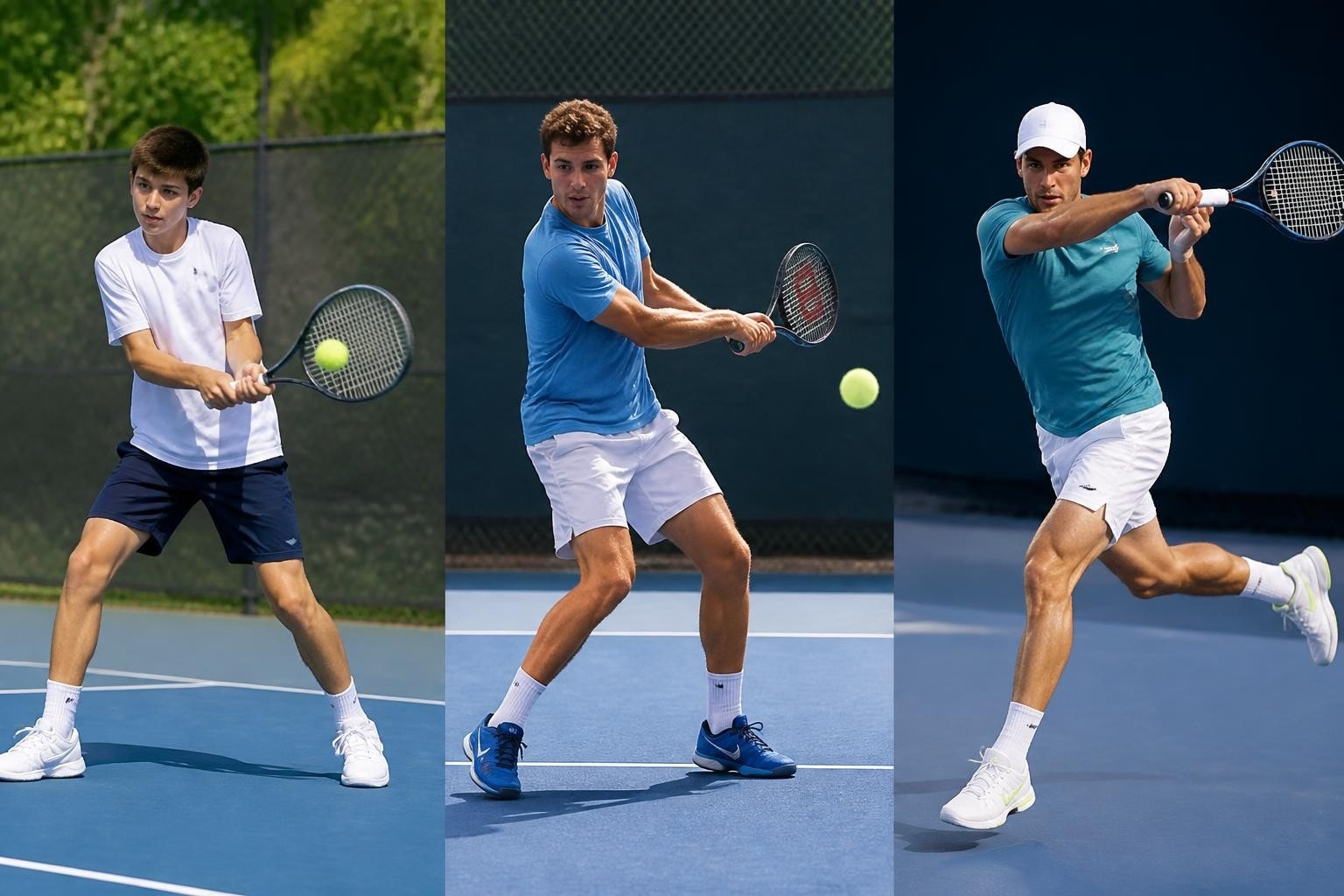
Tennis tutorials have revolutionized how players at every level approach skill development and technique refinement. Whether you're picking up a racquet for the first time or working to eliminate persistent flaws in your strokes, structured instructional content provides the foundation for measurable improvement. The accessibility of high-quality tennis tutorials in 2026 means that players no longer need to rely solely on sporadic court time with coaches. Instead, they can combine professional guidance with self-directed learning to accelerate their progress and build a deeper understanding of the mechanics that separate recreational players from competitive athletes.
Understanding the Evolution of Tennis Instruction
The landscape of tennis education has transformed dramatically over the past two decades. Traditional coaching methods relied heavily on in-person instruction, with limited opportunities for players to review and analyze their technique between sessions. Modern tennis tutorials have bridged this gap by offering detailed video breakdowns, slow-motion analysis, and progressive learning frameworks that players can access anytime.
The shift toward scientific methodology has been particularly significant. Coaches and instructional designers now incorporate biomechanical research, physics principles, and cognitive learning theory into their tutorials. This evidence-based approach ensures that students aren't just mimicking movements but understanding the underlying mechanics that produce consistent, powerful strokes.
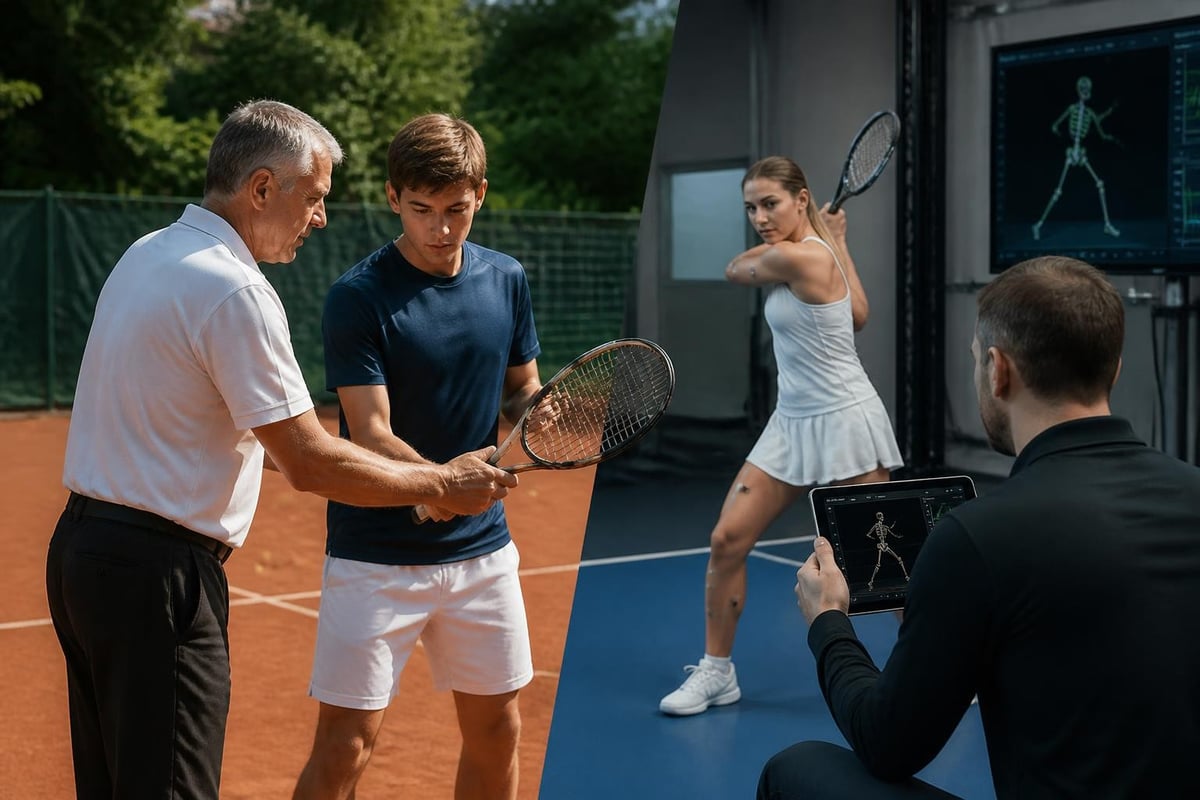
Key Components of Effective Tennis Tutorials
Quality instructional content shares several essential characteristics that distinguish it from generic advice:
- Progressive skill sequencing that builds from foundational movements to advanced techniques
- Multiple camera angles showing proper form from various perspectives
- Common error identification with specific correction strategies
- Drill recommendations that reinforce each technical element
- Measurable benchmarks for tracking improvement over time
The most effective tutorials also acknowledge individual learning styles. Some players grasp concepts through visual demonstration, while others benefit from detailed verbal explanations or kinesthetic cues. Comprehensive programs incorporate multiple teaching modalities to reach diverse audiences.
Stroke-Specific Tutorial Categories
Tennis tutorials typically organize content around the major stroke categories, each requiring distinct technical elements and strategic applications. Understanding these categories helps players identify their specific developmental needs.
Groundstroke Fundamentals
Forehand and backhand groundstrokes form the foundation of modern tennis. Quality tutorials in this category address grip variations, stance positioning, unit turn mechanics, swing path geometry, and contact point optimization. Detailed technique guides break down each phase of the stroke into manageable components that players can practice individually before integrating them into fluid motion.
| Stroke Element | Key Focus Areas | Common Errors |
|---|---|---|
| Grip | Continental, Eastern, Semi-Western, Western variations | Extreme grips limiting versatility |
| Preparation | Early unit turn, shoulder rotation, racquet position | Late preparation, insufficient coil |
| Swing Path | Low-to-high trajectory, brushing action, extension | Flat swing, abbreviated follow-through |
| Contact Point | Optimal height and distance from body | Late contact, reaching, cramped positioning |
The biomechanical complexity of groundstrokes means that small technical adjustments can produce dramatic results. Players often struggle for years with inconsistent shots before discovering that a minor grip modification or stance adjustment resolves the issue entirely.
Serve Development
Serve tutorials represent some of the most technically demanding instructional content in tennis. The service motion involves a complex kinetic chain that transfers energy from the legs through the core and into the arm and racquet. Breaking this motion into teachable segments requires exceptional instructional design.
Effective serve tutorials typically progress through these stages:
- Grip and stance fundamentals establishing the foundation
- Toss consistency ensuring reliable ball placement
- Trophy position mechanics creating optimal loading
- Kinetic chain activation maximizing power transfer
- Pronation and follow-through completing the motion efficiently
Players benefit tremendously from slow-motion video analysis that reveals the subtle movements elite players execute naturally. These visual references help recreational players understand what proper technique feels like when executed correctly.
Strategic and Tactical Tutorial Content
Technical proficiency alone doesn't guarantee competitive success. Strategic tennis instruction addresses court positioning, shot selection, pattern recognition, and mental preparation that separate tactically aware players from those who simply hit the ball well.
Court Coverage and Movement Patterns
Movement tutorials focus on the footwork patterns that enable players to reach balls efficiently while maintaining balance for quality shots. Split-step timing, recovery positioning, and defensive court coverage all require practice and refinement.
Effective movement instruction demonstrates how professional players anticipate opponent shots and position themselves optimally. This anticipatory movement reduces the physical demands of court coverage while improving shot preparation time.
Match Play Decision Making
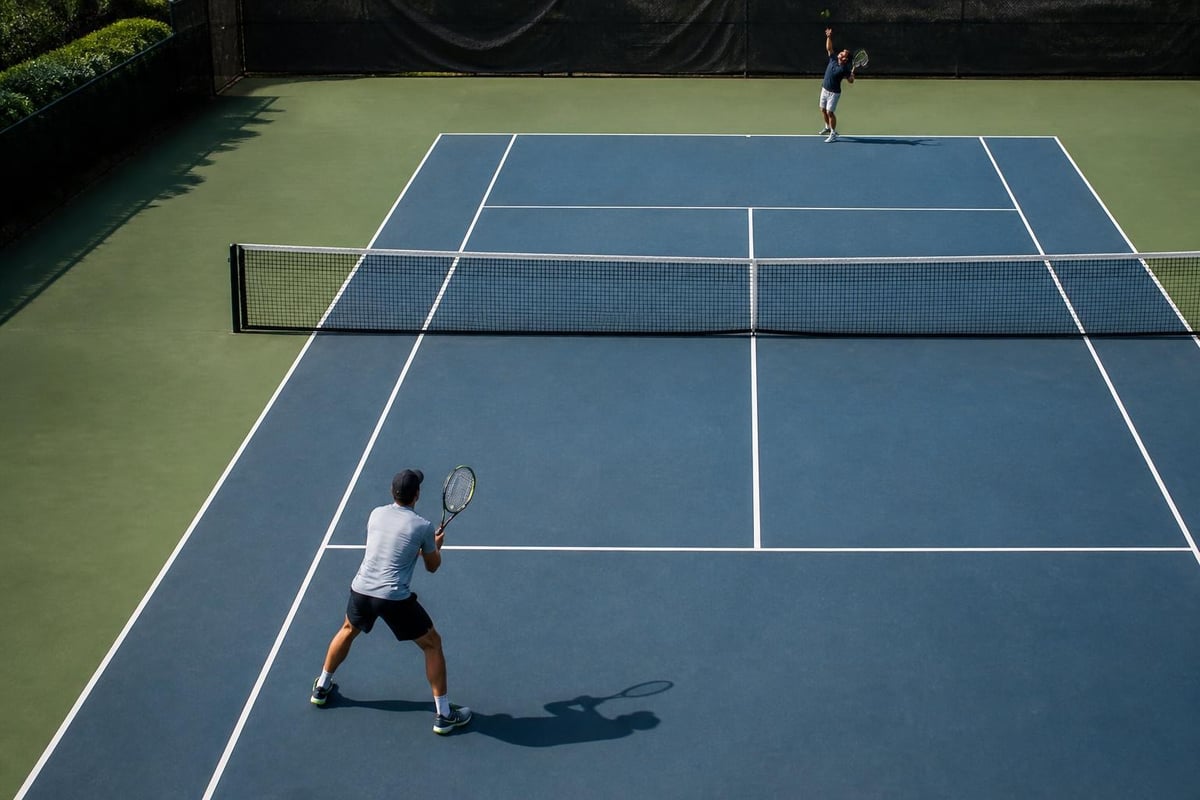
Tactical tutorials teach players to read situations and select appropriate responses. Understanding when to attack versus when to defend, which side to target, and how to construct points methodically requires experience and instruction. Video analysis of professional matches often illustrates these concepts effectively.
Specialized Tutorial Applications
Beyond fundamental stroke production and strategy, tennis tutorials address specialized aspects of the game that enhance overall performance.
Mental Game Development
The psychological dimension of tennis receives increasing attention in modern tutorials. Managing emotions, maintaining focus during critical points, and developing pre-point routines all contribute to competitive success. Mental skills training through structured programs helps players perform consistently under pressure.
Physical Conditioning for Tennis
Tennis-specific fitness tutorials address the unique demands of the sport. Lateral movement, explosive acceleration, sustained rallies, and recovery between points require targeted conditioning. Programs focusing on tennis fitness integrate agility drills, interval training, and injury prevention exercises.
- Core stability development for rotational power
- Lateral movement exercises improving court coverage
- Plyometric training enhancing explosive speed
- Flexibility routines preventing common tennis injuries
- Endurance protocols supporting extended matches
Equipment and Technology Integration
Modern tennis tutorials increasingly incorporate technology to enhance learning. Video analysis apps allow players to record and review their strokes frame-by-frame. Ball machine tutorials optimize practice efficiency by programming specific shot patterns. Wearable devices track movement patterns and stroke statistics, providing objective feedback on performance trends.
Online Learning Versus Traditional Coaching
The relationship between online tennis tutorials and in-person coaching continues to evolve. Rather than viewing these as competing approaches, progressive players recognize their complementary value. Online content provides consistent reference material and allows unlimited review, while personal coaching offers individualized feedback and real-time correction.
For players seeking rapid technique transformation, combining both approaches yields optimal results. Online tennis coaching programs have demonstrated remarkable effectiveness, particularly when structured around proven methodologies. The convenience of accessing expert instruction regardless of geographic location has democratized access to world-class teaching.
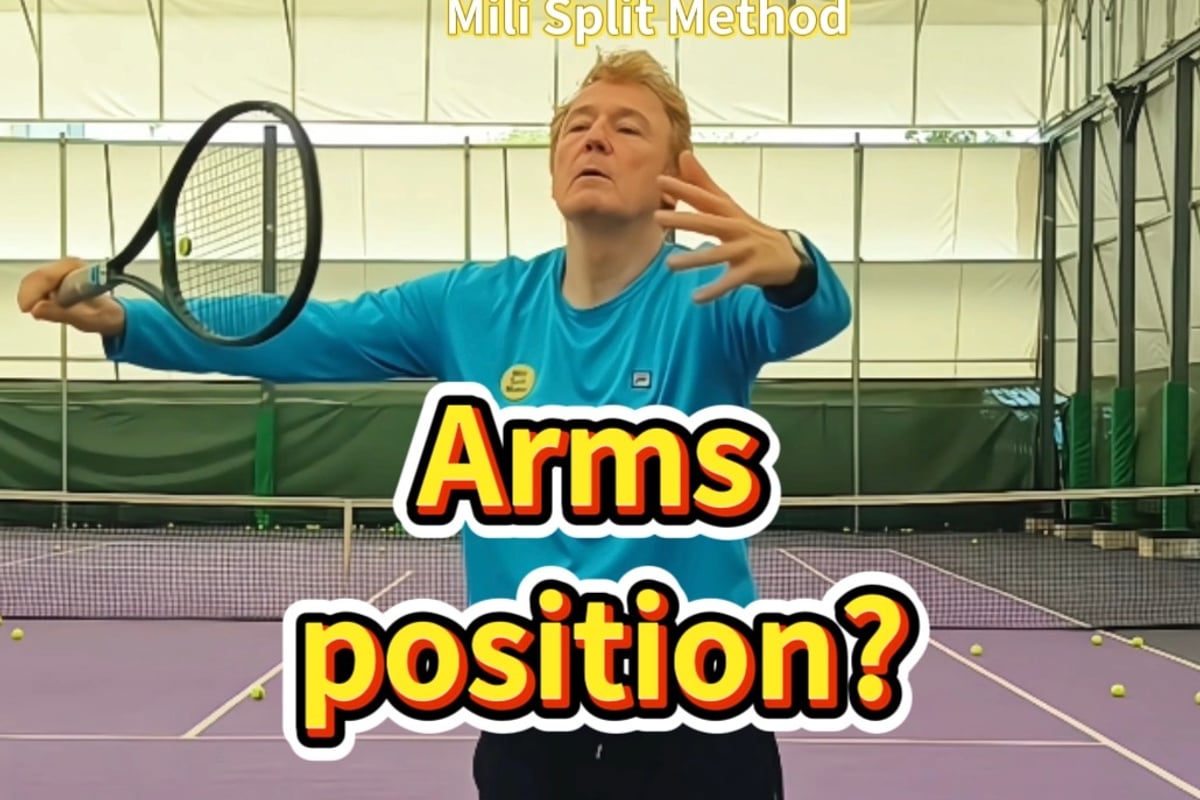
Some players achieve breakthrough improvements through intensive online programs that focus systematically on specific technical elements. The Tennis Method Mili Split (MSM) tennis coaching courses exemplify this focused approach, offering structured programs for competitive juniors, serious recreational players addressing ingrained habits, and coaches seeking advanced teaching methodologies. These specialized programs demonstrate how targeted online instruction can produce results that rival or exceed traditional coaching timelines.
Selecting Quality Tutorial Resources
The abundance of tennis tutorials available in 2026 creates both opportunities and challenges. Discerning players must evaluate instructional quality carefully to avoid wasting time on ineffective content.
Credentials and Teaching Philosophy
Examine the instructor's background and competitive experience. Quality tutorials come from coaches with proven track records developing successful players. Understanding the instructor's teaching philosophy helps determine whether their approach aligns with your learning style and developmental goals.
Production Quality and Clarity
Professional video production with multiple camera angles, clear audio, and logical organization indicates serious instructional intent. While production values alone don't guarantee effective teaching, they correlate with comprehensive program development.
| Evaluation Criteria | What to Look For | Red Flags |
|---|---|---|
| Instructor Credentials | Professional certifications, competitive experience, student success stories | Vague qualifications, no verifiable results |
| Content Organization | Progressive skill building, logical sequencing, comprehensive coverage | Random topic selection, incomplete explanations |
| Student Support | Q&A access, feedback mechanisms, community resources | One-way content with no interaction |
| Outcome Focus | Specific improvement timelines, measurable benchmarks | Vague promises, unrealistic guarantees |
Community and Ongoing Support
The best tutorial programs foster learning communities where students share experiences, ask questions, and support each other's development. Access to the instructor for clarification and personalized guidance significantly enhances learning effectiveness.
Advanced Tutorial Topics
As players progress beyond fundamental technique, advanced tutorials address refinement and specialization that separate good players from exceptional ones.
Shot Variation and Spin Control
Advanced instruction explores the subtleties of topspin, slice, and flat variations for each stroke. Understanding how grip adjustments, swing paths, and contact points produce different ball trajectories allows players to adapt tactically during matches. Resources covering extensive instructional content provide detailed exploration of these technical nuances.
Transition Game Mastery
Approach shots, transition volleys, and net play require distinct technical skills and tactical awareness. Tutorials addressing these specialty shots help players develop complete games rather than remaining baseline-dependent. The ability to finish points at net opens strategic options unavailable to players who only rally from the baseline.
Doubles Strategy and Formation
Doubles tennis introduces team dynamics, formation strategies, and specialized shot requirements. Effective doubles tutorials address poaching techniques, return positioning, lob defense, and communication protocols that successful teams employ.
Implementing Tutorial Learning Effectively
Consuming instructional content provides value only when translated into court practice and skill development. Strategic implementation maximizes tutorial effectiveness.
Structured Practice Sessions
Organize practice time around specific tutorial concepts rather than unfocused hitting. Dedicate entire sessions to implementing one technical adjustment, allowing sufficient repetition for motor pattern development. Progressive players often schedule tutorial review before practice sessions to refresh mental models of proper technique.
Video yourself regularly to compare your execution against tutorial demonstrations. This self-analysis reveals discrepancies between intended and actual movement patterns that feel correct but produce incorrect results.
Patience with Technical Changes
Technical modifications typically feel awkward initially before becoming natural. Quality tutorials prepare students for this adaptation period, preventing premature abandonment of correct techniques that initially reduce performance. Trust the process, understanding that temporary regression often precedes significant improvement.
Integration with Match Play
Transfer tutorial learning to competitive situations gradually. Introduce one new technical element at a time during matches rather than attempting wholesale technique overhauls simultaneously. This measured approach maintains competitive effectiveness while progressively upgrading skills.
Addressing Common Technical Problems
Tennis tutorials excel at diagnosing and correcting persistent technical flaws that limit player development. Understanding common problems and their solutions accelerates improvement.
Late Contact Point Correction
Many recreational players struggle with late contact points that reduce power and consistency. Specialized tutorials addressing contact point issues provide systematic correction protocols focusing on early preparation, optimal positioning, and swing timing adjustments.
Generating Topspin Effectively
Players frequently request guidance on topspin production, particularly for two-handed backhands. Achieving adequate racquet head speed through proper swing paths and brush contact requires detailed technical instruction. Tutorials focused on specific topspin challenges break down the mechanical requirements systematically.
Power Development Without Sacrificing Control
Balancing power and consistency challenges players at every level. Effective tutorials demonstrate how proper technique generates effortless power through efficient kinetic chain mechanics rather than muscular forcing. This understanding transforms how players approach stroke production.
Future Directions in Tennis Tutorials
The tennis tutorial landscape continues evolving with technological advancement and pedagogical innovation. Emerging trends promise enhanced learning effectiveness and accessibility.
Artificial Intelligence and Personalized Instruction
AI-powered systems increasingly analyze individual technique and generate customized correction recommendations. These technologies promise to democratize access to expert-level feedback previously available only through expensive private coaching.
Virtual Reality Training Environments
VR platforms create immersive practice environments where players experience match scenarios and receive real-time feedback on positioning, shot selection, and technique execution. These simulated experiences supplement court time effectively.
Biomechanical Feedback Systems
Sensor technology embedded in racquets and wearables provides objective data on swing mechanics, impact points, and shot characteristics. Tutorials integrated with this feedback create closed-loop learning systems where players receive immediate performance data.
Maximizing Tutorial Value
Strategic approach to tennis tutorial consumption separates players who transform their games from those who merely accumulate information without meaningful improvement.
Focus on implementation over consumption. The temptation to endlessly research without practicing limits actual development. Select quality programs, commit to their systematic implementation, and trust the process rather than constantly seeking alternative approaches.
Maintain realistic expectations about improvement timelines. While intensive focused training produces rapid results, sustainable technique development requires consistent practice over extended periods. Quality tutorials prepare students for this reality rather than promising unrealistic overnight transformations.
Document your progress through video records, performance statistics, and journal entries tracking technical focus areas. This documentation provides motivation during plateaus and reveals progress patterns that feel imperceptible day-to-day.
Tennis tutorials represent powerful tools for player development when selected carefully and implemented systematically. The combination of expert instruction, progressive skill building, and dedicated practice creates pathways for dramatic improvement regardless of current ability level. Tennis Method Mili Split (MSM) offers a scientifically-proven approach that guarantees forehand and backhand correction within three days per stroke, with remarkable results even through online coaching. Whether you're a competitive junior, serious recreational player addressing technical flaws, or coach seeking advanced teaching methodologies, explore how structured expert guidance can transform your tennis journey.