
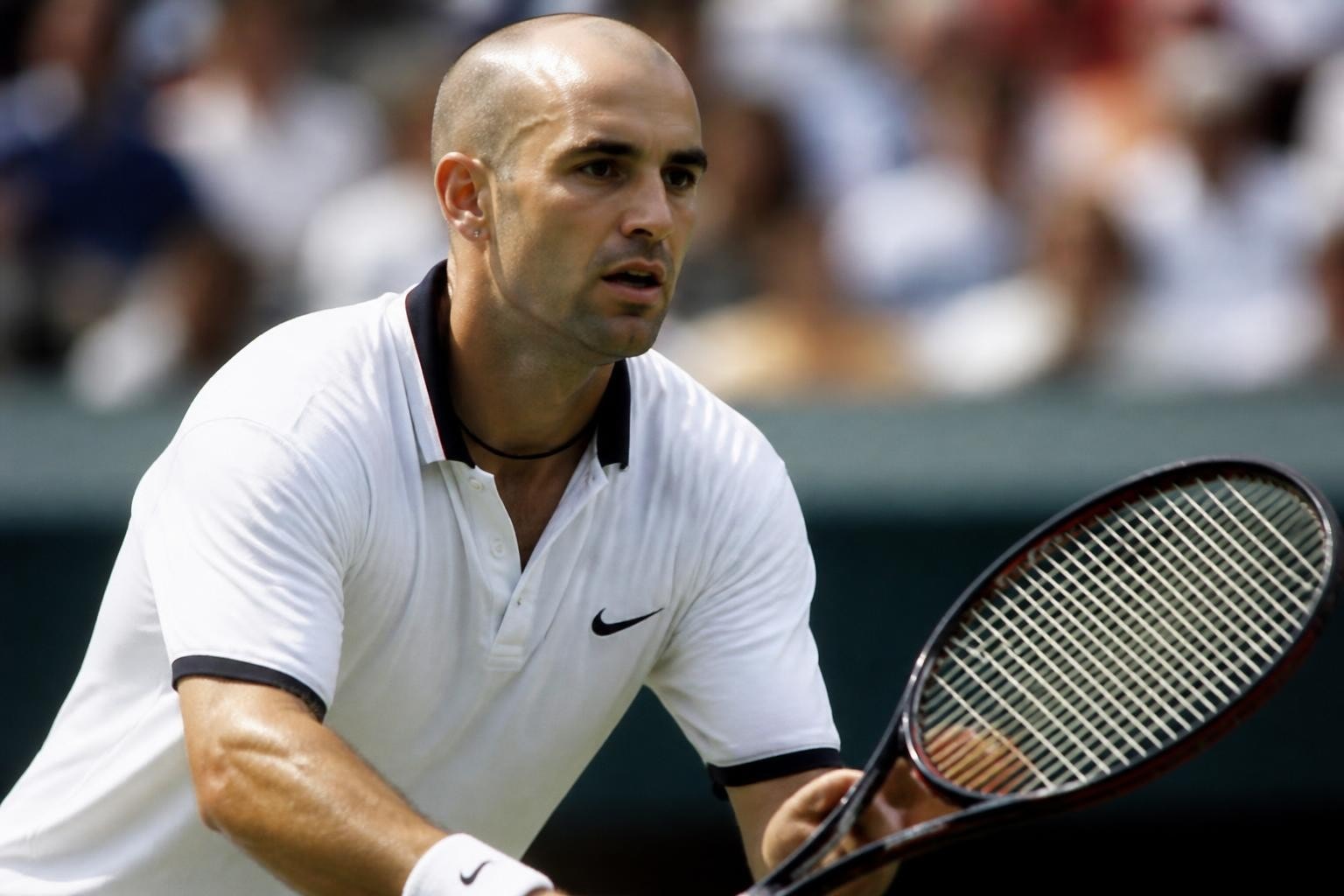
The story of Andre Agassi's transformation from a rebellious talent to an eight-time Grand Slam champion is inseparable from the coaches who guided him. Each andre agassi coach brought distinct philosophies, technical expertise, and psychological insights that shaped different chapters of his career. Understanding these coaching relationships offers valuable lessons for players, instructors, and anyone seeking to master the science of tennis improvement. From the intense training grounds of the Bollettieri Academy to the strategic genius of Brad Gilbert, Agassi's journey demonstrates how the right coach at the right time can unlock extraordinary potential.
The Foundation: Nick Bollettieri's Early Influence
Nick Bollettieri stands as the most formative andre agassi coach in the tennis legend's early development. At just seven years old, Agassi was sent to the Nick Bollettieri Tennis Academy in Florida, where he would spend his formative years training under one of the sport's most iconic instructors. Bollettieri's approach emphasized relentless ball-striking, physical conditioning, and mental toughness that would become hallmarks of Agassi's game.
The relationship between Bollettieri and young Agassi was complex and often turbulent. Nick Bollettieri learned valuable lessons from coaching Andre Agassi, including the importance of understanding each player's unique personality and motivation. Bollettieri's academy environment pushed Agassi to develop the aggressive baseline game that would define his playing style.
Technical Development at Bollettieri Academy
The technical foundation laid during these years proved crucial for Agassi's future success. Bollettieri focused on several key elements:
- Baseline positioning: Teaching Agassi to take the ball early and dictate points from inside the court
- Return of serve: Developing what would become one of the greatest returns in tennis history
- Ball-striking consistency: Endless repetitions to build muscle memory and stroke reliability
- Physical fitness: Rigorous conditioning programs that built exceptional endurance
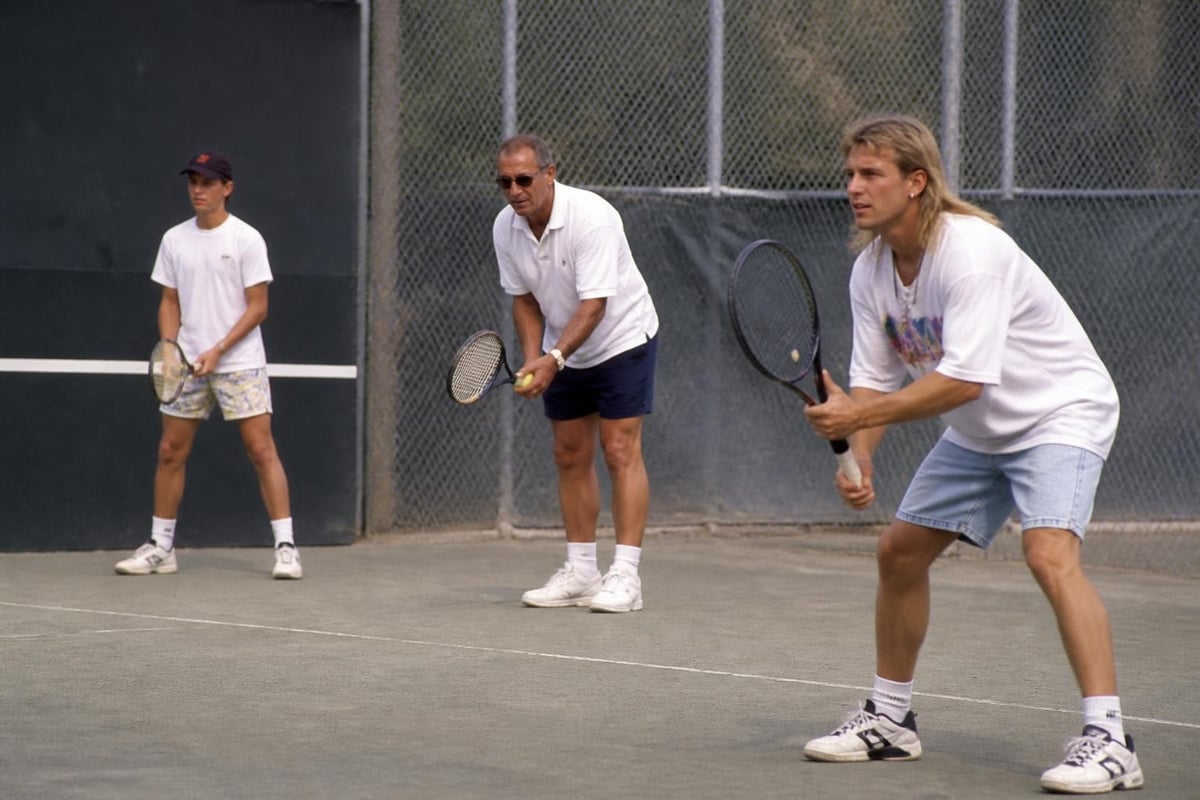
Despite the technical success, the relationship between this andre agassi coach and his student experienced strain. Agassi's autobiography reveals the psychological pressure he felt during these years, which contributed to his complicated relationship with tennis. Yet the skills acquired during this period remained fundamental to his game throughout his career.
The Strategic Transformation: Brad Gilbert's Impact
When Brad Gilbert became andre agassi coach in 1994, Agassi's career was at a crossroads. After winning Wimbledon in 1992, his ranking had plummeted to 32nd in the world. Gilbert brought a completely different coaching philosophy that would resurrect and transform Agassi's career. Rather than focusing on technical changes, Gilbert emphasized strategic thinking, mental toughness, and game planning.
Gilbert's approach earned him the nickname "Winning Ugly" after his famous book, which outlined how to maximize performance regardless of style. For Agassi, this meant:
| Strategic Element | Gilbert's Approach | Impact on Agassi |
|---|---|---|
| Match Preparation | Detailed opponent analysis | Better game plans |
| Mental Framework | Positive self-talk and confidence | Reduced self-doubt |
| Tactical Flexibility | Adapting strategies mid-match | Improved problem-solving |
| Pattern Recognition | Identifying opponent weaknesses | More efficient point construction |
The partnership between Gilbert and Agassi yielded remarkable results. Under Gilbert's guidance, Agassi won six of his eight Grand Slam titles and achieved the number one ranking. The professional split between Agassi and Gilbert in 2002 marked the end of one of tennis's most successful coaching relationships, spanning nearly eight years.
The Psychology of Performance
Gilbert's greatest contribution as andre agassi coach extended beyond tactics into psychological transformation. He helped Agassi understand that tennis success required more than physical talent. Through detailed match preparation and positive reinforcement, Gilbert rebuilt Agassi's confidence and competitive mindset.
This psychological approach resonates with modern coaching methodologies that recognize the mental game's critical importance. Just as Tennis Method Mili Split emphasizes comprehensive technique improvement, Gilbert understood that true mastery requires addressing both technical and mental dimensions.
The Olympic Journey: Tom Gullikson's Brief But Crucial Role
Tom Gullikson served as andre agassi coach during the 1996 Atlanta Olympics, a pivotal moment in Agassi's career. Gullikson’s advice to Agassi during this period focused on staying present and managing the enormous pressure of competing for Olympic gold on home soil.
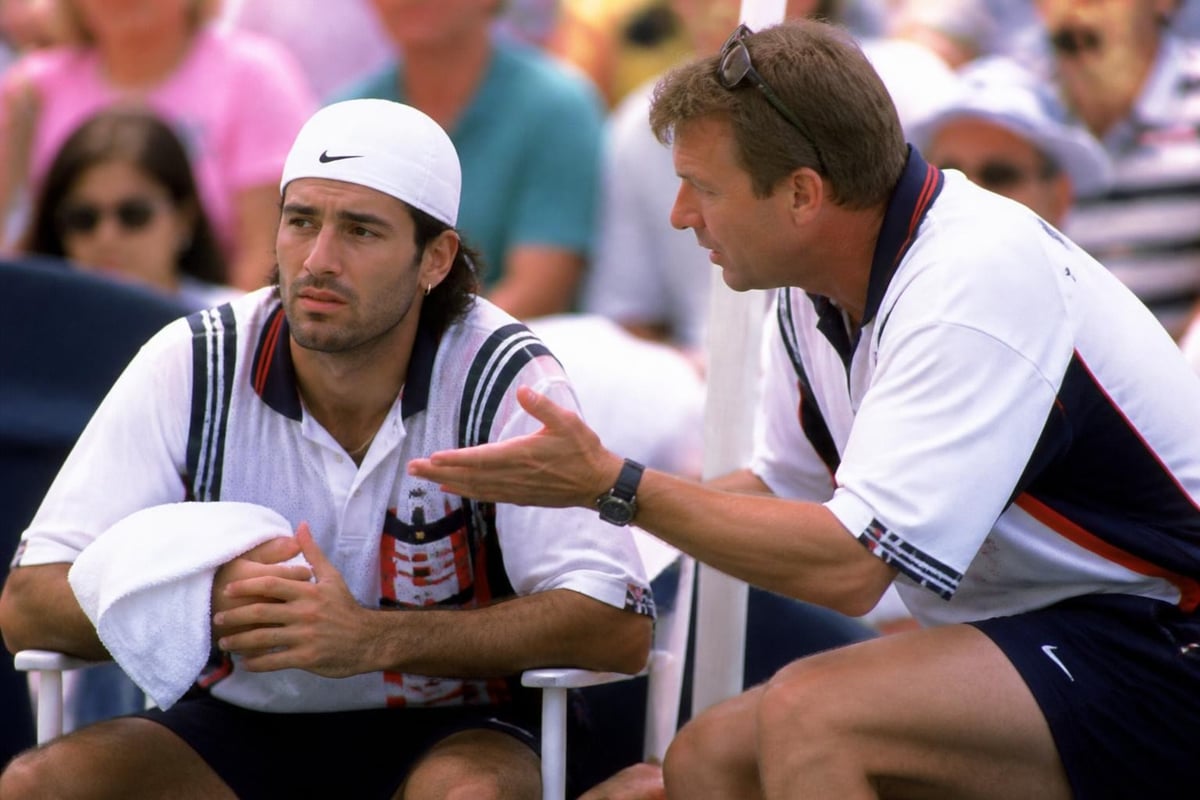
Although brief, this coaching relationship demonstrated the importance of specialized guidance for specific challenges. Gullikson's experience and calming presence helped Agassi navigate one of the highest-pressure tournaments of his career, ultimately winning the gold medal. This exemplifies how different situations sometimes require different coaching approaches.
The Final Chapter: Darren Cahill and Career Longevity
Darren Cahill became andre agassi coach during the latter stages of his career, from 2002 to 2005. After the split with Gilbert, Agassi needed someone who could help him maintain elite performance while managing the physical challenges of aging. Cahill brought fresh perspectives and technical refinements that extended Agassi's competitive window.
Technical Refinements and Physical Management
Cahill's coaching focused on sustainability and efficiency:
- Adjusting court positioning to conserve energy
- Refining shot selection for maximum effectiveness
- Implementing recovery protocols between matches
- Modifying training intensity to prevent injury
The relationship between Cahill and Agassi demonstrated how coaching needs evolve throughout a player's career. Agassi’s career biography shows how different coaches addressed different developmental stages, from raw talent development to peak performance to career longevity.
For tennis coaches seeking to improve their effectiveness across player development stages, understanding these transitions proves essential. Programs like the certification courses at Tennis Method MSM teach coaches how to adapt methodologies for players at various skill levels and career stages.
Coaching Philosophy Comparisons
Each andre agassi coach brought distinct philosophies that reflected different eras and approaches to tennis instruction:
| Coach | Primary Focus | Key Strength | Career Phase |
|---|---|---|---|
| Nick Bollettieri | Technical foundation and physical conditioning | Building elite ball-striking ability | Junior development (7-18 years) |
| Brad Gilbert | Strategic thinking and mental game | Tactical preparation and confidence | Prime years (24-31 years) |
| Tom Gullikson | Pressure management and focus | Handling high-stakes moments | Olympic period (26 years) |
| Darren Cahill | Technical refinement and longevity | Sustainable performance strategies | Later career (32-36 years) |
This progression illustrates how coaching relationships must adapt as players mature and face new challenges. The technical work resembles what modern coaches address when helping players improve specific strokes, though the emphasis shifts based on developmental stage.
Lessons from Agassi's Coaching Relationships
The evolution of andre agassi coach partnerships offers valuable insights for both players and instructors. Several patterns emerge that transcend individual relationships:
Timing matters critically. Each coaching change in Agassi's career came at a moment when he needed something different. Bollettieri provided foundation-building, Gilbert delivered strategic awakening, and Cahill offered sustainable refinement. Recognizing when a coaching relationship has fulfilled its purpose requires honest self-assessment.
Different problems require different solutions. Technical deficiencies demand technical coaching. Mental barriers require psychological support. Strategic shortcomings need tactical education. The most successful andre agassi coach for each period addressed the specific limitation preventing progress at that moment.
Chemistry and communication determine effectiveness. Even brilliant coaches fail if they cannot connect with their students. Tennis instruction methods must account for individual learning styles, personality types, and communication preferences to achieve breakthrough results.
The Role of Innovation in Coaching
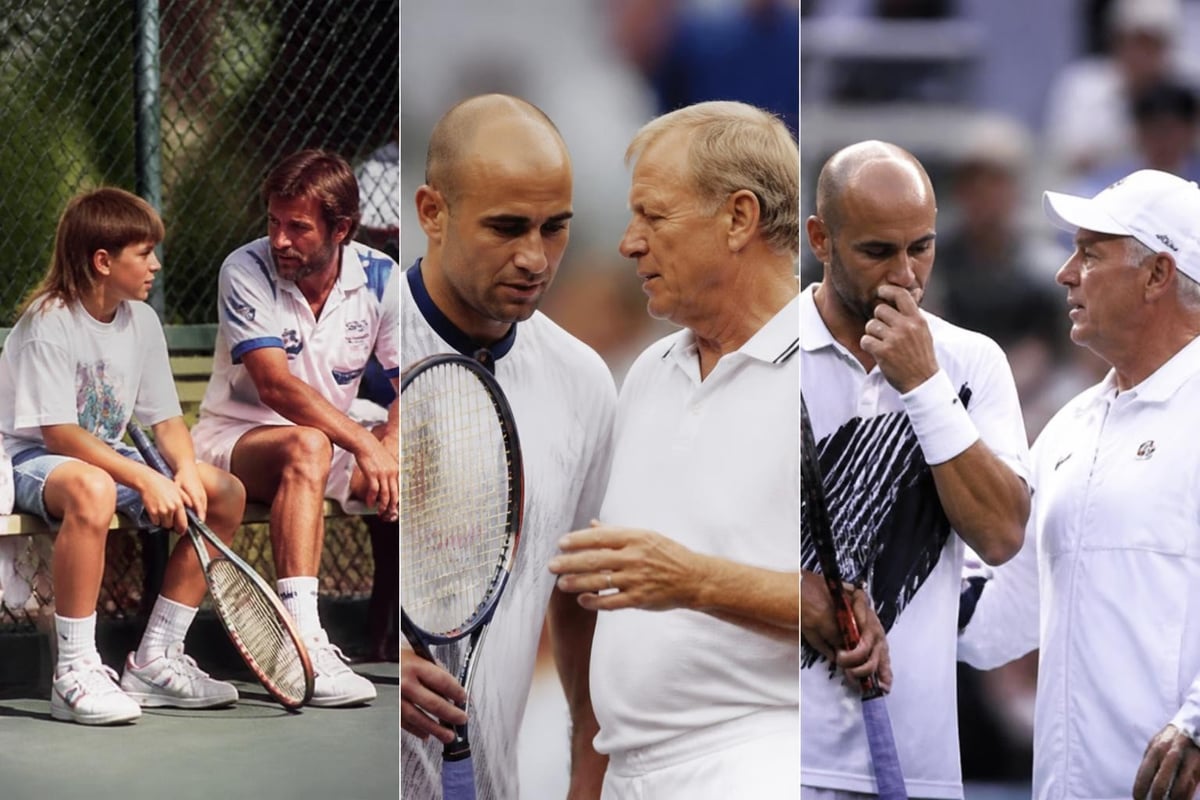
Each andre agassi coach introduced innovative approaches that seemed unconventional at the time. Bollettieri's intense academy model revolutionized junior development. Gilbert's emphasis on strategic thinking over pure ball-striking challenged traditional technical orthodoxy. Cahill's focus on longevity anticipated modern sports science approaches.
This pattern of innovation parallels developments in contemporary tennis instruction. Methods that seemed radical, like guaranteeing stroke correction in specific timeframes or achieving results through online coaching, demonstrate the same innovative spirit that characterized Agassi's coaching relationships.
The Modern Coaching Landscape
Today's tennis coaching has evolved significantly since Agassi's playing days, yet the fundamental principles established by each andre agassi coach remain relevant. Modern instruction integrates technical precision, strategic thinking, psychological development, and physical conditioning in comprehensive programs.
The scientific approach to tennis improvement has advanced considerably. Where Bollettieri relied on intuition and experience, contemporary coaches utilize video analysis, biomechanical data, and evidence-based training methodologies. Agassi himself has reflected on coaching’s evolution and its impact on modern tennis performance.
Players today benefit from this accumulated knowledge, accessing coaching expertise that synthesizes decades of development. Whether through traditional in-person instruction or innovative online formats, modern tennis education builds on the foundations established by pioneering coaches like those who guided Agassi.
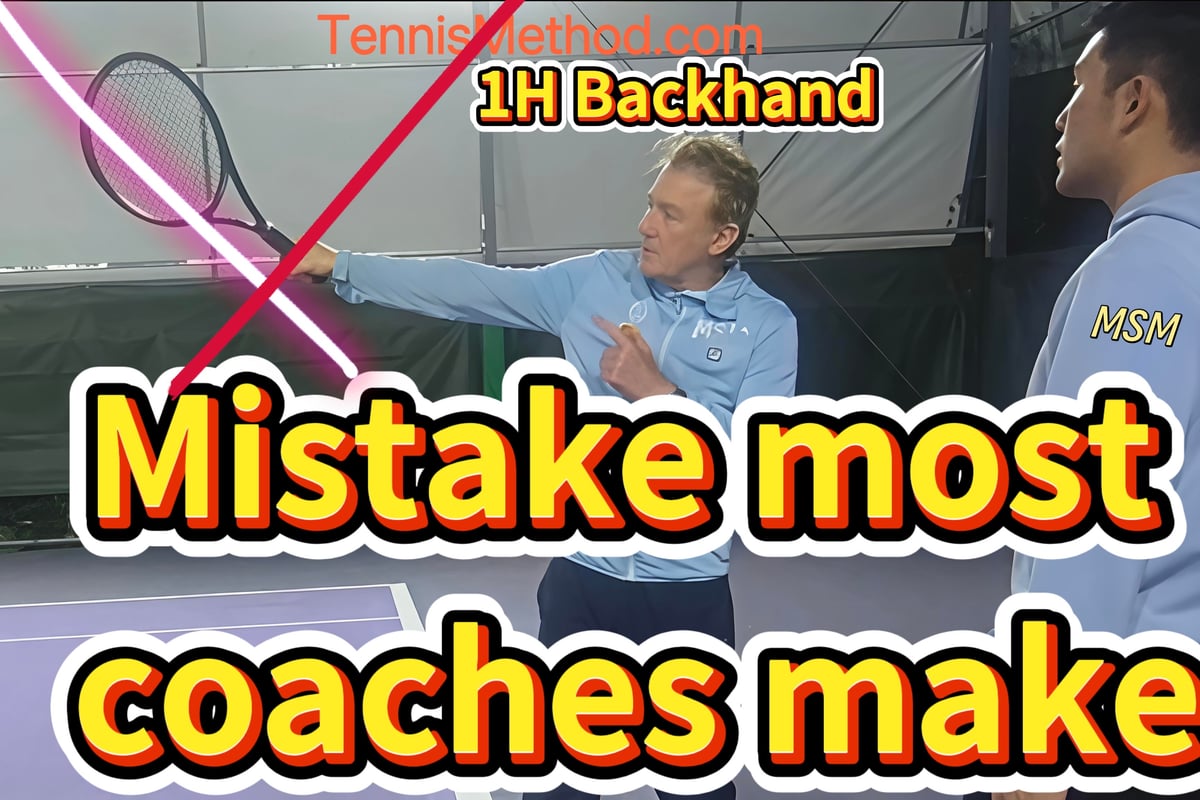
For serious players looking to fix technical flaws and accelerate improvement, the tennis coaching courses at Tennis Method MSM offer a proven system that guarantees forehand and backhand correction within three days per stroke. This scientific approach to rapid technique improvement reflects how coaching methodology has evolved to deliver faster, more reliable results than traditional methods.
Beyond Playing: Agassi's Coaching Involvement
After retirement, Agassi's relationship with coaching continued to evolve. He has worked with various players in advisory capacities and recently entered professional pickleball, demonstrating his ongoing engagement with racket sports instruction. His philanthropic work through the Andre Agassi Foundation also reflects lessons learned from his coaches about discipline, structure, and developmental support.
The impact of each andre agassi coach extended beyond Agassi himself, influencing broader coaching practices across tennis. Bollettieri's academy model spawned countless imitators. Gilbert's strategic approach changed how players prepare for matches. These ripple effects demonstrate how influential coaching relationships shape entire sports.
The Universal Teaching Challenge
Every andre agassi coach faced the fundamental challenge of all tennis instruction: translating knowledge into measurable performance improvement. This challenge remains central to coaching effectiveness regardless of student level. Whether working with future professionals or recreational players, coaches must develop systems that consistently produce results.
The key elements that made Agassi's coaches successful translate across competitive levels:
- Clear technical fundamentals that provide reliable stroke production
- Strategic frameworks that help players think effectively during matches
- Psychological tools that build confidence and resilience
- Customized approaches that respect individual learning styles and capabilities
Modern coaching programs that guarantee specific improvements within defined timeframes demonstrate how teaching methodology continues advancing. These systems build on lessons learned from legendary coaching relationships while incorporating contemporary sports science and pedagogical research.
The journey of each andre agassi coach reveals that tennis excellence emerges from strategic partnerships between committed players and skilled instructors. From technical foundations to strategic sophistication to sustainable longevity, the right coaching at the right time unlocks potential that pure talent alone cannot achieve. Whether you're a player seeking breakthrough improvement or a coach wanting to enhance your teaching effectiveness, Tennis Method Mili Split (MSM) offers scientifically-proven techniques that deliver guaranteed results, including stroke correction in just three days and comprehensive coaching certification programs that reveal the teaching secrets behind rapid player development.