
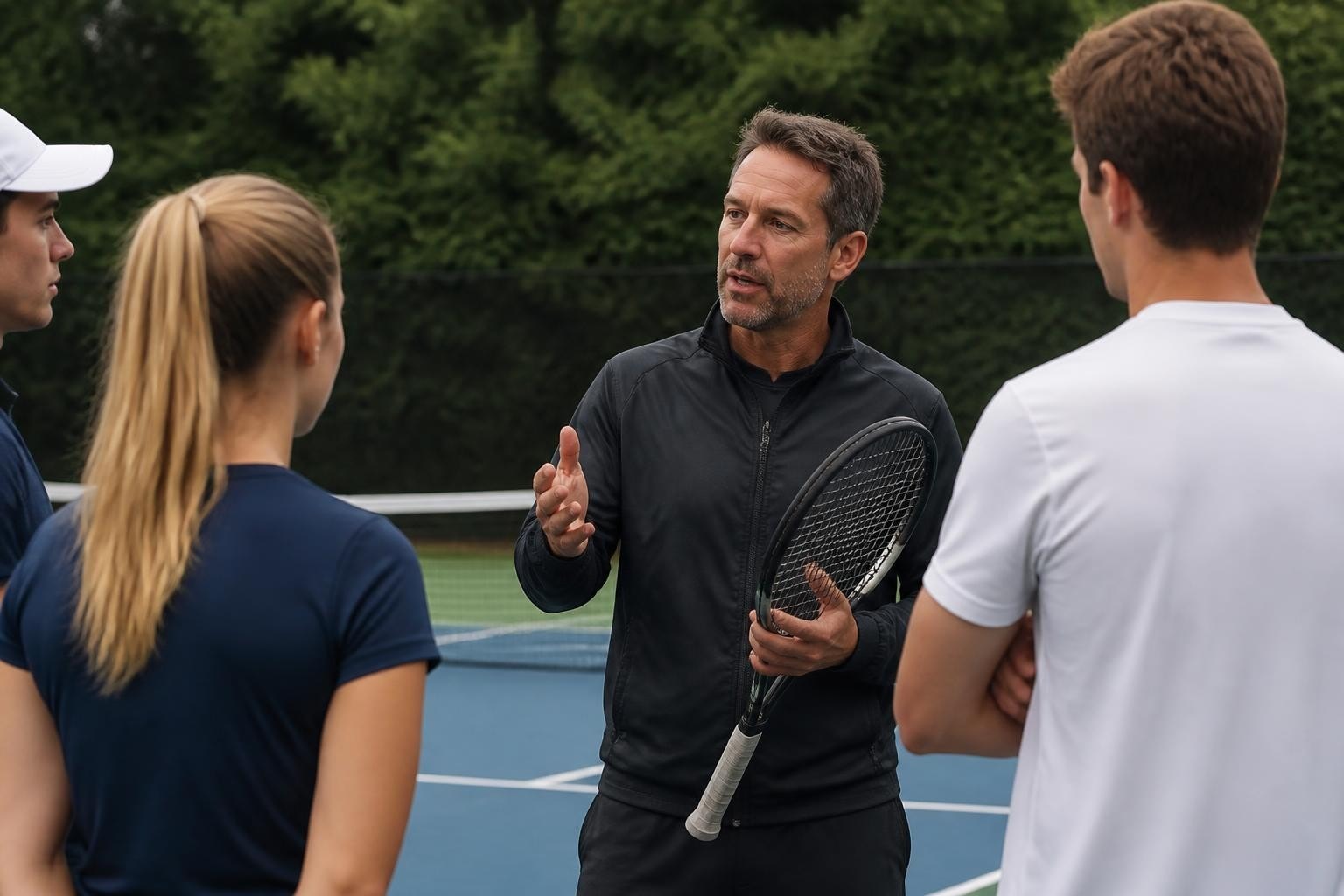
The landscape of professional tennis coaching has evolved dramatically over the past two decades, with certification programs becoming essential credentials for serious coaches. Among these programs, GPTCA tennis certification stands out as a premier pathway for coaches aspiring to work at the highest levels of the sport. Understanding what sets this certification apart and how it fits into the broader ecosystem of tennis coach development can help both aspiring and established coaches make informed decisions about their professional growth.
Understanding GPTCA Tennis Certification Standards
The Global Professional Tennis Coach Association represents a commitment to excellence that extends beyond basic teaching credentials. GPTCA tennis certification specifically targets coaches who aim to work with ATP World Tour players and elite female professionals. This distinction immediately separates it from recreational coaching credentials.
Core Principles of GPTCA Tennis Programs
The foundation of GPTCA tennis education rests on several key pillars that distinguish it from other coaching certifications. These programs emphasize biomechanical precision, advanced tactical analysis, and psychological coaching techniques appropriate for high-performance athletes.
Key components include:
- Advanced stroke mechanics analysis
- Tournament preparation strategies
- Mental performance coaching
- Physical conditioning integration
- Professional player management
The depth of technical knowledge required for GPTCA tennis credentials demands coaches possess both extensive playing experience and proven teaching track records. This high barrier to entry ensures the certification maintains its prestige within professional tennis circles.
How GPTCA Tennis Compares to Other Certification Bodies
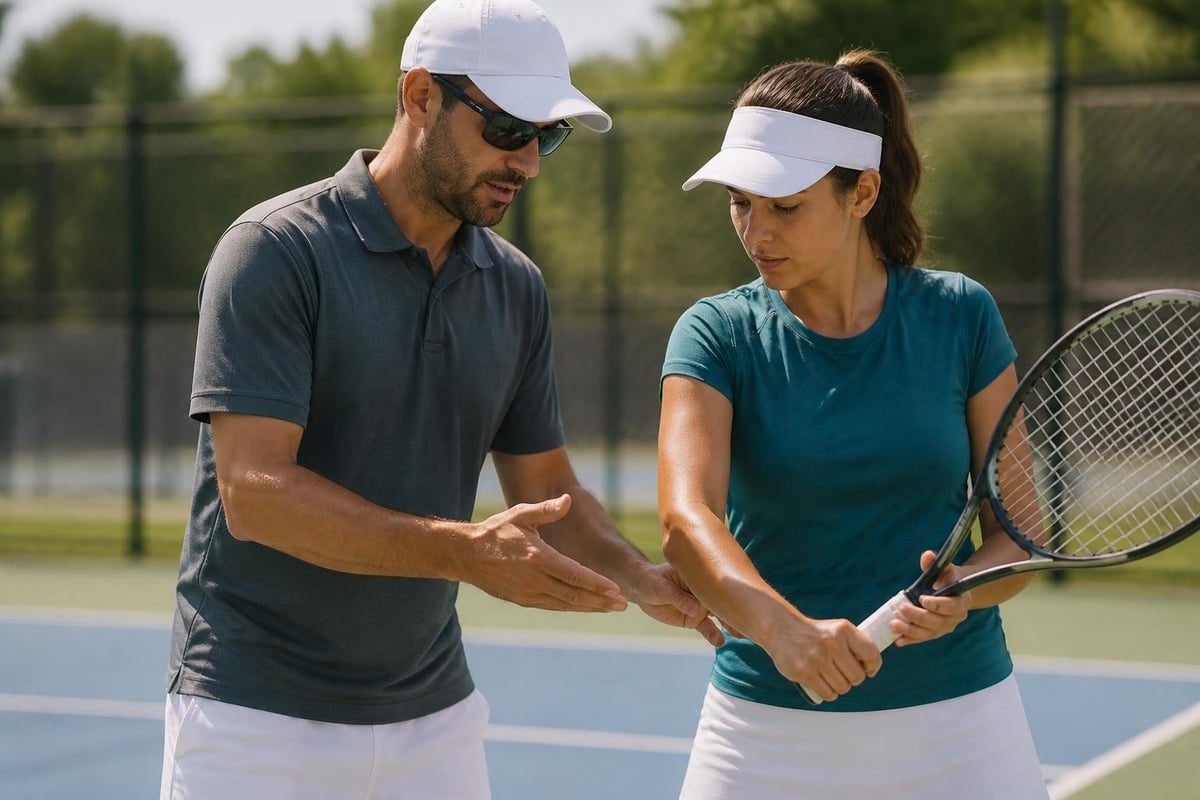
Tennis coaching certifications exist across multiple organizations, each serving different segments of the coaching profession. The USTA Coaching Accreditation Program focuses primarily on North American grassroots development, while GPTCA tennis certification targets the professional tier.
| Certification | Primary Focus | Target Audience | Professional Level |
|---|---|---|---|
| GPTCA Tennis | ATP/WTA Professional | Elite coaches | High Performance |
| USTA | American recreational | Community coaches | Grassroots to intermediate |
| PTR | Universal teaching | All levels | Beginner to advanced |
| RPT | Spanish methodology | Technical specialists | Youth to professional |
This comparison reveals how GPTCA tennis occupies a specialized niche. While the PTR Level 1 Certification provides excellent foundational training for coaches working with recreational players, GPTCA tennis demands coaches already possess this baseline and seek advanced specialization.
The Master Course Collaboration
A significant development in GPTCA tennis education came through the partnership between GPTCA, RSPA, and the Segal Institute. This collaboration launched the Master Course GPTCA, specifically branded as the ATP Certified High Performance Coaches Course. This program represents the pinnacle of formalized tennis coaching education available globally.
The course structure integrates practical court time with elite players, video analysis sessions, and mentorship under established ATP-level coaches. Participants in GPTCA tennis master courses gain exposure to professional tournament environments, learning the nuances of player management that textbooks cannot convey.
Technical Excellence in GPTCA Tennis Methodology
What separates GPTCA tennis instruction from other coaching approaches is the granular attention to technical details that matter at professional levels. While recreational coaching might accept functional stroke patterns, professional-level teaching demands biomechanical optimization.
Stroke Production Analysis
GPTCA tennis educators emphasize frame-by-frame analysis of stroke production, identifying subtle inefficiencies that limit player performance at elite levels. This microscopic approach to technique requires coaches to understand:
- Kinetic chain sequencing across groundstrokes and serves
- Contact point variations for different tactical situations
- Recovery patterns that minimize positional vulnerability
- Spin generation mechanics through racquet path and grip pressure
- Adaptive techniques for different court surfaces and conditions
Tennis Method Mili Split (MSM) has pioneered similarly precise technical analysis through its Split Method approach. While GPTCA tennis provides comprehensive professional certification, specialized methodologies like the Split Method can complement that foundation with proven techniques for rapid technical correction. Coaches seeking to enhance their technical teaching arsenal will find value in exploring tennis coaching courses that emphasize scientific stroke correction methods.

The precision required in GPTCA tennis coaching extends beyond simple stroke mechanics into the realm of tactical application. Understanding when and why to employ specific techniques separates competent coaches from exceptional ones.
Mental Performance Components in GPTCA Tennis Training
Professional tennis success depends as much on psychological resilience as physical skill. GPTCA tennis certification programs dedicate substantial curriculum time to mental performance coaching, recognizing that elite players need psychological support systems as sophisticated as their technical training.
Psychological Frameworks for Competition
Coaches pursuing GPTCA tennis credentials learn to implement various psychological frameworks:
- Pressure management techniques for high-stakes moments
- Emotional regulation strategies during competitive adversity
- Focus optimization methods for maintaining concentration
- Confidence building protocols after performance setbacks
- Goal-setting architectures for long-term development
These psychological tools become particularly crucial when coaches work with players navigating the transition from junior success to professional competition. GPTCA tennis training prepares coaches to guide players through this challenging period with evidence-based mental performance strategies.
Physical Preparation Standards in GPTCA Tennis
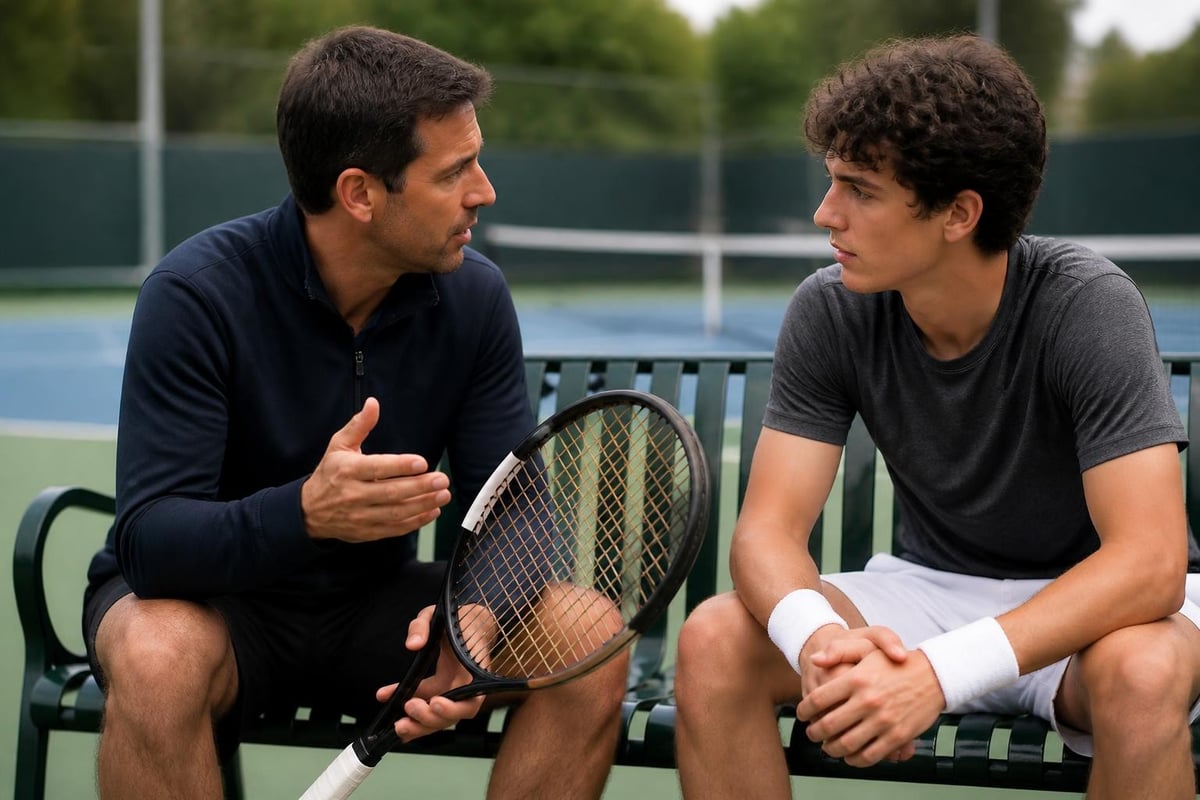
The USTA’s comprehensive coaching program highlighted the importance of integrating physical preparation into coaching education. GPTCA tennis has long recognized this necessity, incorporating sport science principles into its certification requirements.
Conditioning Integration for Tennis-Specific Development
GPTCA tennis coaches must demonstrate competency in designing and implementing physical preparation programs tailored to tennis demands. This knowledge base includes:
Strength development targeting tennis-specific movement patterns
Power generation through plyometric and explosive training
Endurance optimization for extended match situations
Flexibility protocols preventing injury while enhancing performance
Recovery strategies maximizing training adaptation
The sophistication of physical training at professional levels requires coaches to collaborate effectively with strength coaches, physiotherapists, and sports scientists. GPTCA tennis education prepares coaches for these collaborative relationships, ensuring they can communicate effectively within multidisciplinary support teams.
Technology Integration in Modern GPTCA Tennis Coaching
Recent developments in sports analytics have transformed coaching methodologies. Research frameworks like TennisExpert demonstrate how multimodal analysis can enhance understanding of complex rally patterns and tactical decision-making.
| Technology | Application | Coaching Benefit |
|---|---|---|
| Video Analysis | Stroke mechanics review | Precise technical feedback |
| Tracking Systems | Movement pattern data | Tactical positioning insights |
| Wearable Sensors | Physiological monitoring | Training load optimization |
| AI Rally Analysis | Pattern recognition | Strategic development |
GPTCA tennis programs increasingly incorporate these technological tools into their curriculum, recognizing that modern professional coaches must leverage data analytics alongside traditional observation skills.
Video Analysis Benchmarks
The TennisTV benchmark research reveals the complexity of accurately analyzing tennis rallies even with advanced AI systems. This underscores why GPTCA tennis certification requires coaches to develop sophisticated observational skills that complement technological tools rather than depend entirely on them.
Effective GPTCA tennis coaches use video analysis to identify technical patterns, but their expertise lies in translating those observations into actionable coaching interventions. This human interpretation element remains irreplaceable despite technological advances.
International Recognition and Career Opportunities
One significant advantage of GPTCA tennis certification is its international recognition within professional tennis circuits. Coaches holding this credential find opportunities across global tennis markets, from European clay court academies to Asian high-performance centers.
Geographic Mobility for Certified Coaches
The universal recognition of GPTCA tennis standards enables coaches to:
- Secure positions at elite tennis academies worldwide
- Work with professional players across different federations
- Consult for national tennis programs
- Develop training centers in emerging tennis markets
- Collaborate with equipment manufacturers on product development
This geographic flexibility represents substantial value for ambitious coaches seeking diverse professional experiences. GPTCA tennis certification functions as a passport within the global tennis coaching community, opening doors that regional credentials cannot access.
Continuing Education Requirements in GPTCA Tennis
Unlike static certifications that coaches earn once, GPTCA tennis maintains rigorous continuing education requirements. This ensures certified coaches remain current with evolving methodologies, sports science research, and tactical innovations.
Professional Development Pathways
GPTCA tennis coaches must engage in regular professional development through:
- Annual conference attendance featuring leading coaching minds
- Peer review sessions analyzing coaching methodologies
- Research publication review staying current with sports science
- Practical workshop participation refining teaching techniques
- Mentorship programs both receiving and providing guidance
These continuing education requirements prevent credential stagnation and maintain the prestige associated with GPTCA tennis certification. Coaches who view professional development as optional rather than mandatory may find their certification status jeopardized.

Specialized Tracks Within GPTCA Tennis Education
As tennis coaching has evolved, GPTCA tennis programs have developed specialized tracks allowing coaches to focus their expertise. These concentrations acknowledge that professional coaching encompasses diverse roles requiring different skill emphases.
Available specialization tracks include:
- Technical specialist focusing on stroke development
- Tactical analyst emphasizing strategic game planning
- Physical performance integrating conditioning and tennis training
- Mental performance specializing in psychological coaching
- Junior development transitioning young players to professional ranks
Coaches can pursue multiple specializations throughout their careers, building comprehensive expertise across GPTCA tennis domains. This flexibility allows professional development to align with coaching opportunities and personal interests.
Application Process and Prerequisites for GPTCA Tennis
Gaining admission to GPTCA tennis certification programs requires substantial preparation. Unlike entry-level certifications with minimal prerequisites, GPTCA tennis demands proven coaching accomplishment before application.
Typical Admission Requirements
Prospective GPTCA tennis candidates must typically demonstrate:
| Requirement | Standard | Purpose |
|---|---|---|
| Playing background | Competitive tournament experience | Understanding player perspective |
| Coaching experience | Minimum 3-5 years professional | Proven teaching capability |
| Current certifications | National coaching credential | Foundational knowledge |
| Player references | Athletes coached successfully | Demonstrated impact |
| Continuing education | Recent professional development | Commitment to growth |
These stringent prerequisites ensure GPTCA tennis programs maintain high standards. The certification's value derives partly from its exclusivity, creating a community of genuinely elite coaches rather than a broadly accessible credential.
The Investment Value of GPTCA Tennis Certification
Pursuing GPTCA tennis certification requires significant investment in both time and financial resources. Prospective coaches must evaluate whether this investment aligns with their career objectives and coaching ambitions.
Financial Considerations
The total investment for GPTCA tennis certification includes:
- Application and assessment fees
- Course tuition for master programs
- Travel and accommodation for in-person components
- Continuing education expenses
- Professional association membership dues
While these costs may seem substantial, coaches working at elite levels typically recoup this investment through enhanced earning potential. GPTCA tennis certification enables access to coaching positions that command premium compensation, making the credential financially worthwhile for ambitious professionals.
Building a Career Foundation Through GPTCA Tennis
For coaches committed to working at tennis's highest levels, GPTCA tennis certification provides essential credibility. Tournament directors, academy administrators, and professional players view this credential as evidence of coaching excellence and professional commitment.
The journey through GPTCA tennis education transforms coaches' technical understanding, pedagogical approaches, and professional networks. Graduates emerge with refined teaching methodologies, deeper sport science knowledge, and connections throughout the global professional tennis community. These benefits extend throughout coaching careers, creating opportunities that uncertified coaches rarely access regardless of their natural teaching talent or playing background.
Understanding the landscape of professional tennis coaching certification helps coaches make strategic career decisions that align with their ambitions and teaching philosophies. Whether pursuing GPTCA tennis credentials or specialized technical training, continuous professional development separates exceptional coaches from average instructors. If you're ready to transform your coaching approach with scientifically proven methods that deliver rapid results, discover how Tennis Method Mili Split (MSM) can revolutionize your technical teaching and accelerate your players' development through the innovative Split Method that corrects fundamental strokes in just three days.