
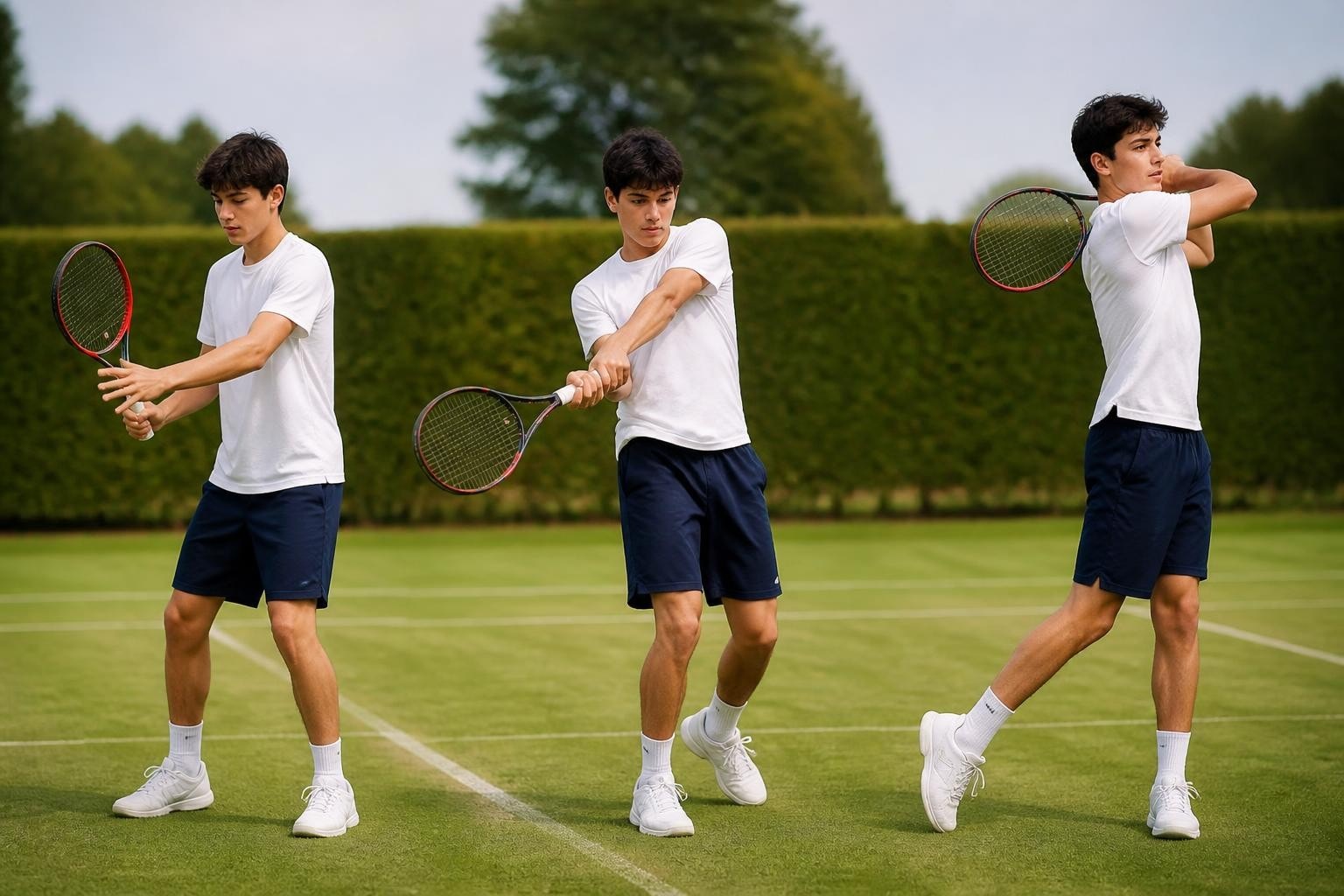
Choosing the right lawn tennis academy can transform an athlete's career trajectory, whether you're a junior player with professional aspirations or a recreational competitor looking to refine your skills. With tennis continuing to grow globally in 2026, the landscape of professional training facilities has evolved dramatically, offering everything from traditional grass court instruction to cutting-edge biomechanical analysis. Understanding what distinguishes an exceptional academy from an average one requires examining coaching methodologies, training philosophies, facility infrastructure, and the proven track record of student success.
What Defines a Quality Lawn Tennis Academy
A lawn tennis academy represents far more than just a place to hit balls. The term "lawn tennis" itself carries historical significance, distinguishing the modern game played on various surfaces from its origins on manicured grass courts. Today's academies embrace this heritage while incorporating scientific training methods that address the complete development of tennis players.
Core Components of Effective Academy Programs
The foundation of any reputable lawn tennis academy rests on several critical pillars that work together to produce exceptional players:
- Structured curriculum development with progression pathways from beginner to advanced levels
- Qualified coaching staff with certifications and proven teaching track records
- Individual attention balanced with group dynamics for comprehensive skill building
- Mental game training including sports psychology and competitive preparation
- Physical conditioning programs tailored to tennis-specific movements and demands
- Video analysis technology for immediate feedback and technique refinement
The Lawn Tennis Association has established standards that many academies worldwide reference when developing their programs. These standards ensure consistency in instruction quality and player safety while promoting best practices in youth development.
Coaching Methodology and Technical Development
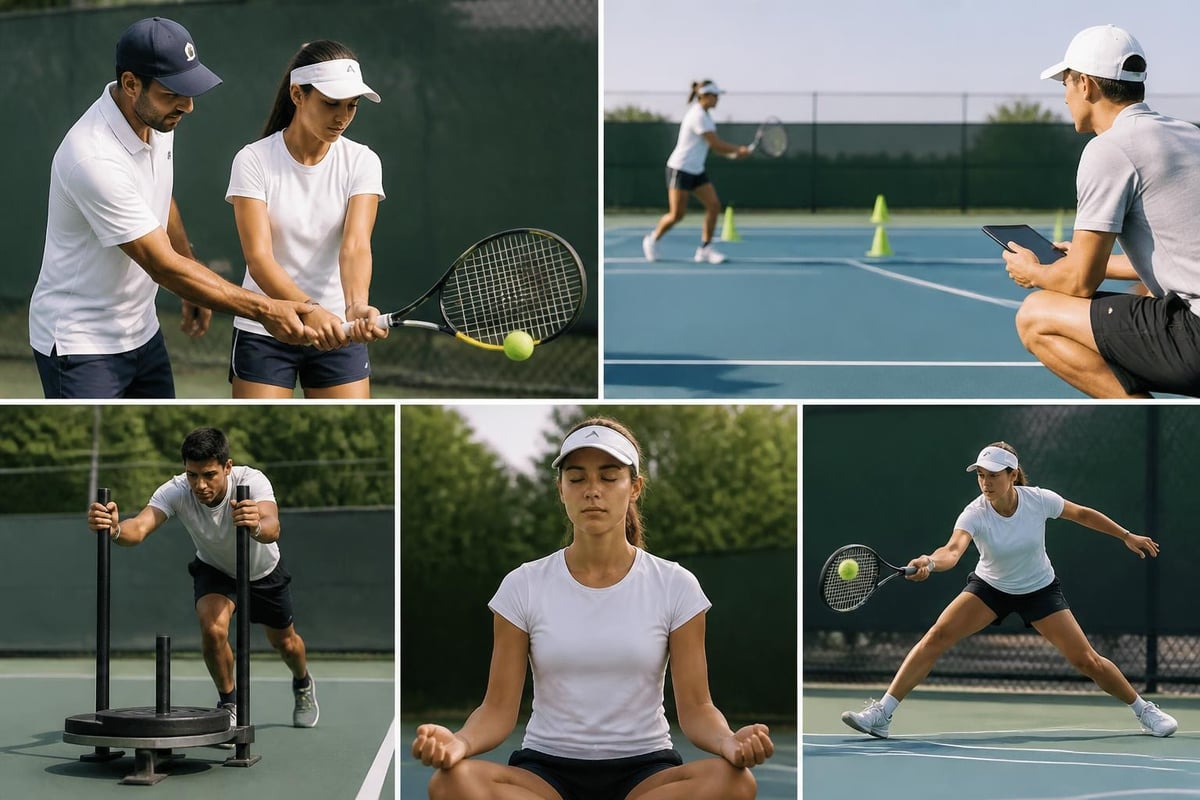
The most significant differentiator between lawn tennis academy programs lies in their coaching methodology. Traditional approaches often focus on repetition without addressing the root causes of technical flaws, leading to years of frustration for players who plateau despite dedicated practice.
Modern academies increasingly recognize that stroke correction requires more than simple adjustments. Research documented in studies like the analysis of tennis video frameworks demonstrates how expert-level insights into biomechanics can revolutionize player development. The most effective programs break down complex movements into digestible components, allowing players to rebuild their strokes with proper fundamentals.
| Training Approach | Time to Improvement | Success Rate | Long-term Retention |
|---|---|---|---|
| Traditional Repetition | 6-12 months | 45-55% | Moderate |
| Video-Based Correction | 3-6 months | 60-70% | Good |
| Scientific Split Method | 3 days per stroke | 90%+ | Excellent |
The Science Behind Rapid Technique Improvement
Revolutionary teaching methods have emerged that guarantee stroke correction in remarkably short timeframes. These approaches utilize biomechanical principles to identify exactly where technical breakdowns occur, then prescribe precise corrections that address root causes rather than symptoms. Players who have struggled with forehand or backhand issues for years often experience breakthrough improvements within days when working with coaches who understand these scientific principles.
For tennis coaches seeking to elevate their expertise, specialized certification programs offer training in advanced teaching methodologies that produce measurable results far faster than conventional instruction.
Player Development Pathways at Leading Academies
A comprehensive lawn tennis academy structures its programs to serve players at every level, from complete beginners to aspiring professionals. This tiered approach ensures appropriate challenges and support regardless of current skill level.
Junior Development Programs
Junior players benefit from age-appropriate instruction that builds foundational skills while fostering love for the game:
- Introduction to Tennis (ages 4-7): Focus on coordination, basic ball skills, and enjoyment through games
- Skill Development (ages 8-12): Technical foundation building with emphasis on proper stroke mechanics
- Competitive Preparation (ages 13-15): Tournament readiness, match play strategies, and mental toughness
- Pre-Professional Training (ages 16-18): Intensive training for players pursuing collegiate or professional careers
The National Tennis Centre model demonstrates how structured development pathways can produce world-class talent when combined with expert coaching and proper resources.
Adult and Recreational Programs
Many lawn tennis academy facilities cater specifically to adult players who seek improvement without professional aspirations. These programs address unique challenges:
- Habit correction for players with ingrained technical flaws developed over years
- Injury prevention through proper biomechanics and age-appropriate conditioning
- Social tennis integration balancing improvement with enjoyment and community
- Flexible scheduling accommodating work and family commitments
Specialized Training Methods and Innovations
The tennis academy landscape has evolved dramatically with technological integration and scientific understanding. Elite facilities now employ innovations that were unimaginable a decade ago.
Technology Integration in Modern Training
Advanced lawn tennis academy programs leverage technology to accelerate player development:
High-Speed Video Analysis: Frame-by-frame breakdown of stroke mechanics reveals subtle flaws invisible to the naked eye. Coaches can compare student technique against professional models, identifying specific adjustment points.
Ball Machine Programming: Modern machines create realistic match scenarios, delivering balls with precise spin, speed, and placement patterns that simulate actual opponents.
Wearable Sensors: Devices track movement patterns, stroke velocity, and physical exertion levels, providing data-driven insights into performance and recovery needs.
Virtual Reality Training: Emerging VR systems allow players to practice decision-making and court positioning in simulated match environments.
Research into autonomous tennis robots demonstrates how technology continues pushing boundaries in both training and adaptive sports applications.
International Academy Models and Best Practices
Global tennis powerhouses have developed distinct academy models that produce consistent results. Understanding these approaches helps players and parents make informed decisions about training environments.
European Academy Excellence
European lawn tennis academy programs often emphasize technical precision and tactical sophistication. Countries like Spain, France, and Serbia have created training cultures that produce technically sound players with strong mental games. The clay court tradition in many European facilities teaches patience, point construction, and movement efficiency.
American Academy Innovation
United States academies pioneered the full-time training center concept, as discussed in this analysis of coaching collaborations. These facilities typically offer:
- Comprehensive academic programs integrated with tennis training
- Multi-surface court availability for well-rounded development
- Strength and conditioning facilities rivaling professional sports teams
- Sports science support including nutrition, psychology, and recovery protocols
Asian Academy Growth
The rapid expansion of lawn tennis academy facilities across Asia reflects the region's growing tennis enthusiasm. These academies often combine rigorous technical training with strong emphasis on discipline and work ethic.
Selecting the Right Academy for Your Goals
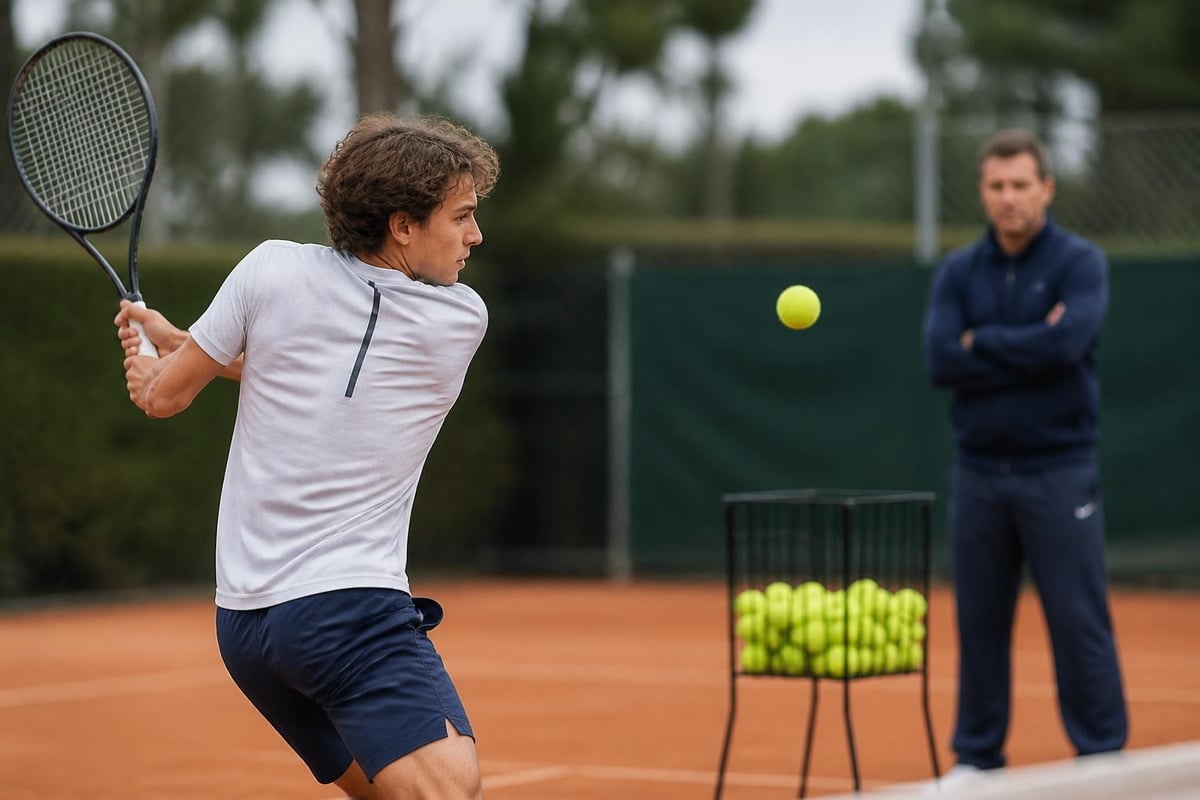
Choosing an appropriate lawn tennis academy requires honest assessment of goals, resources, and commitment levels. Not every player needs or benefits from the most intensive programs.
Key Evaluation Criteria
| Factor | Questions to Ask | Red Flags |
|---|---|---|
| Coach Credentials | What certifications and playing experience do instructors have? | Vague qualifications, no verifiable track record |
| Student Success | Can the academy document player improvement and achievements? | No testimonials or measurable outcomes |
| Training Philosophy | Does the approach align with your learning style and goals? | One-size-fits-all methodology |
| Facility Quality | Are courts well-maintained with appropriate surfaces? | Poor maintenance, limited court availability |
| Student-to-Coach Ratio | How much individual attention will you receive? | Overcrowded classes, minimal personal feedback |
For players seeking rapid technique improvement, tennis coaching courses that utilize scientific methods can deliver stroke corrections in days rather than months. This approach particularly benefits serious club players ready to break through persistent technical barriers and coaches looking to expand their teaching toolkit.

Financial Considerations
Lawn tennis academy programs range dramatically in cost, from affordable group clinics to premium boarding school environments. Understanding the investment required helps set realistic expectations:
- Local group programs: $50-200 per month for weekly sessions
- Semi-private instruction: $75-150 per hour depending on coach experience
- Intensive camps: $500-2,000 per week including multiple daily sessions
- Full-time academy programs: $30,000-70,000 annually for comprehensive training and academics
Many players wonder about the cost of private lessons and whether tennis remains accessible or has become a luxury sport. The reality is that quality instruction exists at multiple price points, with effectiveness depending more on methodology than expense.
Physical and Mental Preparation Components
Elite lawn tennis academy programs recognize that technical skills alone don't create champions. Comprehensive development addresses the complete athlete.
Tennis-Specific Physical Training
Modern strength and conditioning programs move beyond general fitness to address tennis-specific demands:
- Rotational power development for serving and groundstrokes
- Lateral movement efficiency improving court coverage and injury prevention
- Core stability training supporting stroke consistency and power transfer
- Flexibility work maintaining range of motion for technical execution
- Cardiovascular endurance sustaining performance through long matches
Understanding concepts like the rolling friction of tennis balls informs surface-specific training that optimizes movement patterns for different court types.
Mental Game Development
The psychological aspects of tennis often determine outcomes between equally skilled competitors:
- Pre-match preparation routines creating consistent mental readiness
- Between-point rituals maintaining focus and managing emotions
- Pressure situation training building confidence in critical moments
- Visualization techniques programming successful execution patterns
- Resilience development recovering quickly from setbacks
Location-Specific Considerations and Opportunities
Geographic location influences academy experiences in ways players sometimes overlook. For those attending prestigious tournaments or training intensives, accommodation logistics matter significantly. Players and families traveling to world-renowned tennis centers like Wimbledon can explore specialized property rental options that provide comfortable housing near premier facilities, ensuring optimal rest and preparation during intensive training periods.
Climate and Surface Availability
Year-round warm weather locations offer consistent training schedules without seasonal interruptions. However, players eventually compete globally across varying conditions, making exposure to different climates valuable. The lawn tennis academy you choose should ideally provide experience on multiple surfaces:
- Hard courts: Most common surface worldwide, ideal for developing consistent fundamentals
- Clay courts: Teaches movement, patience, and point construction
- Grass courts: Demands quick reflexes, net play skills, and serve effectiveness
- Indoor facilities: Ensures training continuity regardless of weather
Creating Effective Practice Routines
The structure of daily training sessions separates productive academies from time-wasting facilities. Quality lawn tennis academy programs maximize every minute on court through purposeful design.
Sample Elite Training Day Structure
Morning Session (8:00 AM – 12:00 PM):
- Dynamic warm-up and movement drills (30 minutes)
- Technical work focusing on specific stroke components (60 minutes)
- Tactical patterns and point play situations (90 minutes)
Afternoon Session (2:00 PM – 5:00 PM):
- Strength and conditioning work (60 minutes)
- Match play or competitive drills (90 minutes)
- Cool-down and recovery protocols (30 minutes)
Evening Activities:
- Video review and analysis (30 minutes)
- Mental training or sports psychology sessions (30 minutes)
- Academic work for junior students (varies)
This intensive structure works for committed players with professional goals. Recreational programs typically involve 2-4 hours weekly of focused instruction, emphasizing quality over quantity.
Common Technical Challenges and Solutions
Every lawn tennis academy encounters recurring technical issues among students. Recognizing these patterns helps players understand they're not alone in their struggles.
Forehand Problems and Fixes
The forehand represents tennis's most fundamental stroke, yet players at all levels develop problematic patterns. Common issues include:
- Late preparation causing rushed, defensive shots
- Incorrect grip limiting topspin generation and power
- Poor weight transfer creating arm-dominant swings
- Inconsistent contact point producing erratic results
Players seeking specific guidance might explore resources about forehand grip recommendations to understand how hand position fundamentally affects stroke production.
Backhand Development Strategies
The two-handed backhand has become tennis's dominant choice, yet technical flaws persist:
Grip Issues: Many players use identical grips for both hands, limiting racket acceleration and spin production. Proper grip variation creates powerful, consistent backhands.
Upper Body Rotation: Insufficient shoulder turn reduces power and makes timing difficult. Complete preparation allows the swing to generate effortless pace.
Follow-Through Path: Abbreviated finishes indicate mechanical breakdowns earlier in the swing. Full extension through contact produces better results.
For players struggling with backhand spin, understanding how to generate more topspin on this stroke can unlock significant improvement.
The Role of Competition in Academy Training
Match play and tournament experience separate lawn tennis academy programs that produce competitors from those that create practice players. Strategic competition integration accelerates development while building mental toughness.
Progressive Competition Structures
- Intra-academy challenge ladders: Low-pressure competition among training partners
- Local recreational tournaments: Introduction to competitive atmosphere
- Regional junior events: Age-appropriate challenges with ranking implications
- National championships: High-level competition against top players
- International junior circuits: Professional-level preparation for elite prospects
The key lies in matching competitive challenges to current skill levels, gradually increasing pressure as players develop coping mechanisms and competitive confidence.
Online Coaching and Remote Training Innovations
The digital revolution has transformed lawn tennis academy accessibility. Geographic limitations no longer prevent players from accessing world-class instruction, as online coaching platforms deliver remarkable results.
Virtual Instruction Effectiveness
Skeptics initially dismissed remote tennis coaching as inferior to in-person instruction. However, evidence increasingly demonstrates that structured online programs produce measurable improvements:
Video Submission Analysis: Players film their strokes from specific angles, receiving detailed feedback highlighting exact adjustment points. This asynchronous approach allows coaches time for thorough analysis impossible during live sessions.
Real-Time Virtual Sessions: Video conferencing enables live instruction where coaches guide players through drills, observe execution, and provide immediate corrections.
Structured Exercise Programs: Detailed practice plans with specific drills, repetition counts, and focus points ensure productive independent training between coaching sessions.
Many testimonials from experienced coaches confirm that well-designed online programs can match or exceed traditional instruction effectiveness, particularly for motivated adult learners.
Building a Sustainable Tennis Practice
Long-term success in tennis requires sustainable training approaches that prevent burnout and injury while fostering genuine love for the game. The best lawn tennis academy programs balance intensity with enjoyment, structure with creativity.
Injury Prevention Strategies
Tennis places unique stresses on the body, particularly shoulders, elbows, and knees. Smart training protocols minimize injury risk:
- Adequate recovery time between intense sessions prevents overuse injuries
- Proper warm-up sequences prepare tissues for explosive movements
- Cross-training activities develop overall athleticism without tennis-specific stress
- Biomechanical efficiency reduces joint strain through optimal technique
- Early intervention addressing minor discomfort before it becomes serious injury
The scientific approach to stroke mechanics not only improves performance but also protects players from technique-induced injuries that plague those with flawed fundamentals.
Selecting and maximizing your experience at a lawn tennis academy requires understanding what separates exceptional programs from mediocre ones, then committing to the proven methodologies that deliver results. Whether you're a junior with professional ambitions, a recreational player seeking rapid improvement, or a coach wanting to enhance your teaching effectiveness, the right training approach makes all the difference. Tennis Method Mili Split (MSM) offers scientifically-proven instruction that corrects stroke mechanics in days rather than months, transforming frustrated players into confident competitors through methods that work both in-person and online.