
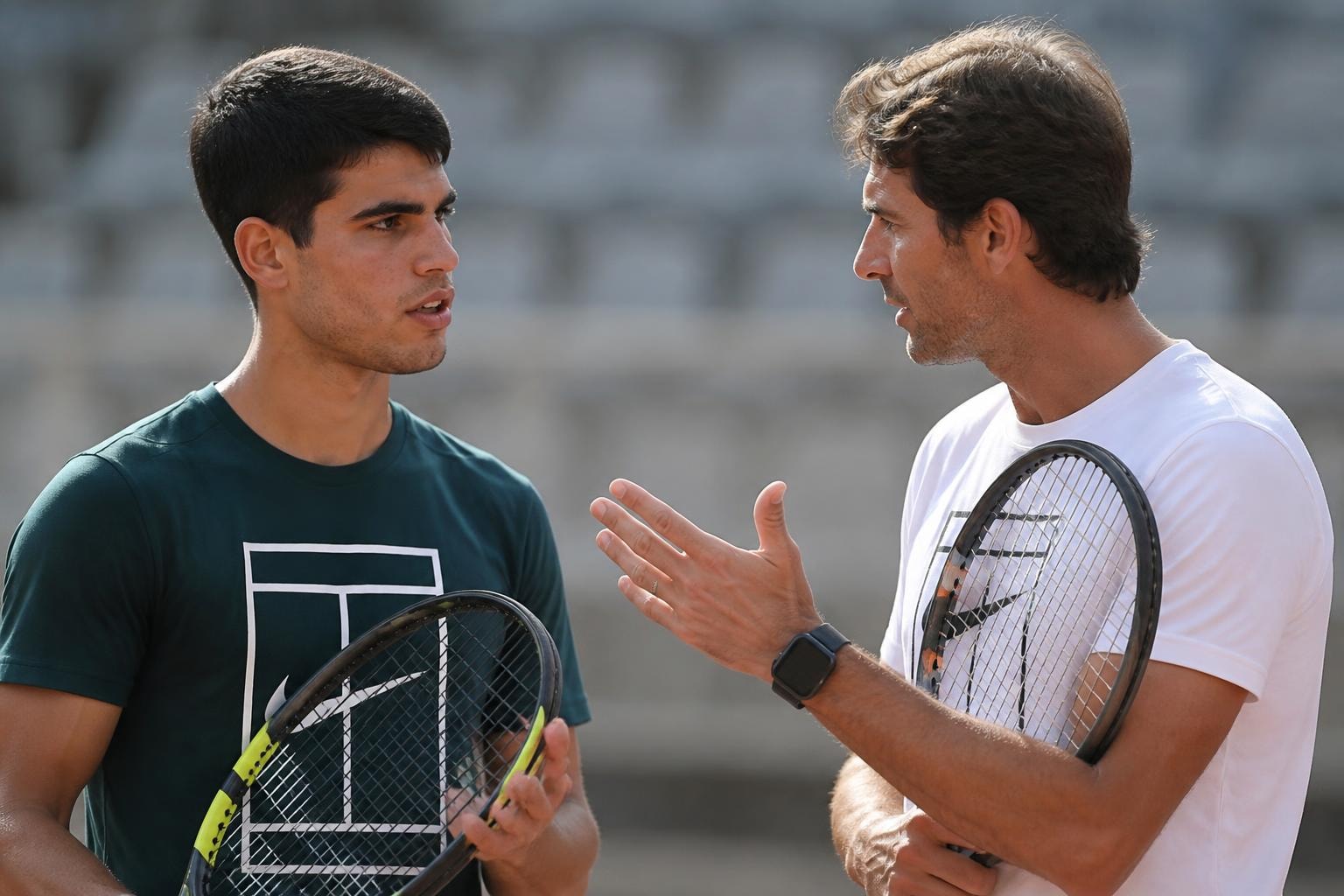
Carlos Alcaraz has become one of the most exciting players in professional tennis, and much of his success can be attributed to the guidance of his Alcaraz coach team. Understanding the coaching dynamics behind elite players offers valuable insights for tennis coaches at all levels. The partnership between Alcaraz and his primary coach Juan Carlos Ferrero has redefined modern tennis coaching through a blend of technical precision, mental conditioning, and strategic evolution. For coaches seeking to elevate their own methods, examining this successful collaboration reveals principles applicable across the sport.
The Juan Carlos Ferrero Partnership
The relationship between Carlos Alcaraz and Juan Carlos Ferrero represents one of tennis's most successful coach-player partnerships in recent years. Ferrero, himself a former world number one and French Open champion, began working with Alcaraz when the young Spaniard was just 15 years old. This early intervention allowed the Alcaraz coach to shape fundamental techniques during crucial developmental years.

Ferrero's coaching philosophy emphasizes aggressive baseline play combined with exceptional court coverage. The technical foundation he built with Alcaraz focuses on generating power through efficient biomechanics rather than pure strength. This approach has allowed Alcaraz to develop one of the most complete games on tour, with weapons from every position on the court.
Technical Development Under Ferrero
The Alcaraz coach team prioritizes specific technical elements that distinguish elite players from good ones:
- Racket preparation speed: Early preparation allows for better timing and power generation
- Contact point optimization: Striking the ball at the ideal height and distance from the body
- Recovery positioning: Explosive movement back to neutral court position after each shot
- Versatile spin production: Ability to adjust topspin levels based on tactical situations
What makes Ferrero's technical coaching particularly effective is his emphasis on biomechanical efficiency. Rather than forcing a one-size-fits-all technique, he adapts principles to Alcaraz's natural movement patterns. This personalized approach mirrors what the best tennis coaches understand: technical corrections must respect individual biomechanics while establishing fundamental sound principles.
The systematic breakdown of strokes into correctable components has produced remarkable results. Ferrero's ability to identify and fix technical flaws quickly has kept Alcaraz's game evolving even at the highest levels of competition.
Coaching Philosophy and Training Methods
The Alcaraz coach approach extends beyond technical stroke production into comprehensive player development. Ferrero structures training sessions with specific objectives that balance physical conditioning, tactical awareness, and mental resilience. According to Carlos Alcaraz’s comprehensive career overview, this holistic development strategy began during his teenage years and continues to evolve.
Daily Training Structure
Training sessions under Ferrero's guidance follow a systematic pattern designed to maximize improvement while preventing burnout:
- Technical refinement (morning sessions focusing on specific stroke patterns)
- Tactical simulation (match-situation practice with specific strategic goals)
- Physical conditioning (strength, speed, and endurance work tailored to tennis movements)
- Mental training (visualization, pressure management, and competitive mindset development)
- Recovery protocols (active rest, physiotherapy, and injury prevention)
This structured approach ensures that each training component receives appropriate attention. The Alcaraz coach team understands that elite performance requires balancing intense work with adequate recovery.
| Training Component | Weekly Hours | Primary Focus |
|---|---|---|
| On-court technical | 15-18 hours | Stroke mechanics, patterns |
| Match play/simulation | 8-10 hours | Tactical execution, pressure |
| Physical conditioning | 10-12 hours | Explosiveness, endurance |
| Mental/tactical study | 5-7 hours | Strategy, opponent analysis |
The Science Behind Effective Tennis Coaching
Research into tennis performance and coaching methodologies supports many of the approaches used by the Alcaraz coach team. A detailed analysis of tennis match dynamics using Alcaraz's performances as case studies reveals how coaching strategies translate into competitive success. The study highlights the importance of pattern recognition and situational decision-making, both areas where Ferrero excels in his coaching.
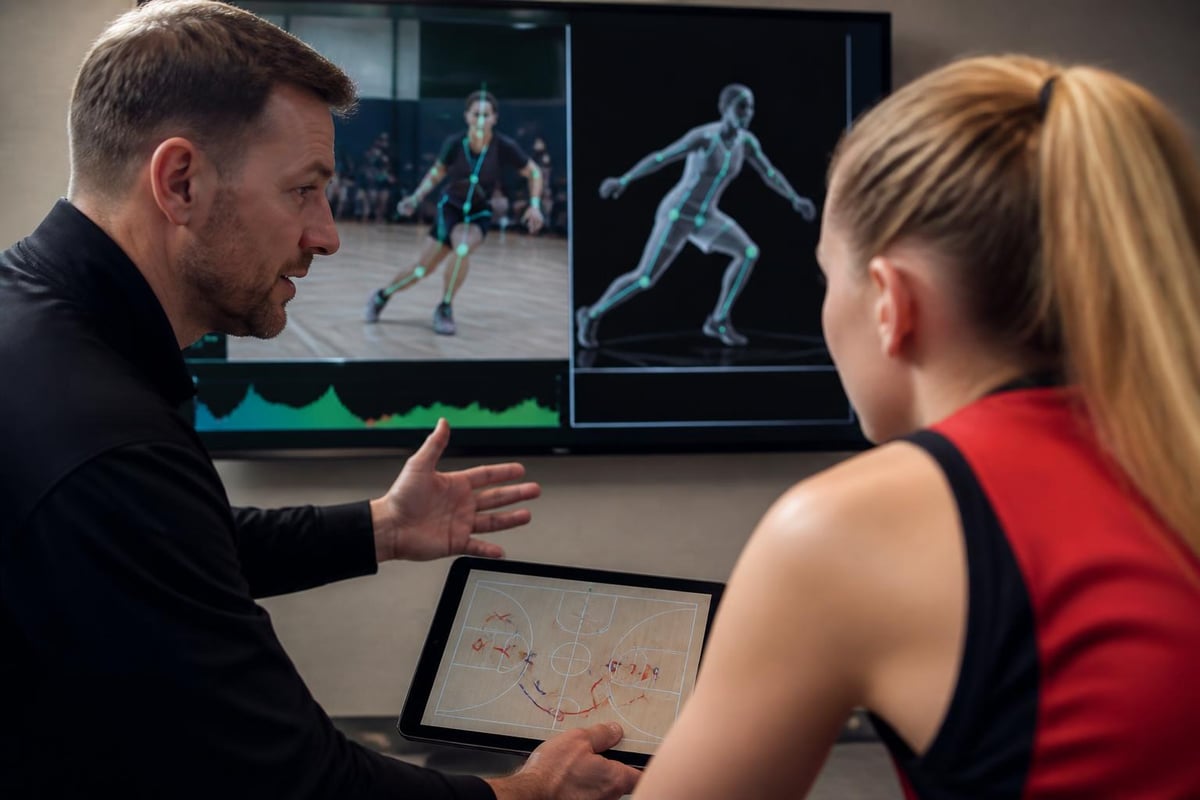
The Alcaraz coach methodology aligns with contemporary sports science in several key areas. Data-driven decision making plays an increasingly important role, with video analysis revealing subtle technical adjustments that improve performance. Ferrero combines traditional coaching wisdom with modern analytics to create a comprehensive development system.
Adaptability in Coaching Strategy
One distinguishing feature of the Alcaraz coach approach is tactical flexibility. Ferrero prepares his player for multiple game plans depending on opponent strengths, court surface, and match situations. This adaptability requires extensive study of opponents and continuous refinement of strategic options.
The coaching team analyzes opponents systematically:
- Identifying patterns in serving tendencies
- Recognizing weaknesses in groundstroke production
- Evaluating movement limitations
- Understanding mental vulnerabilities under pressure
This analytical approach transforms raw talent into consistent championship performance. For tennis coaches working with serious players, developing these analytical skills becomes as important as technical expertise.
Recent Developments and Coaching Changes
In a surprising development, Carlos Alcaraz announced his split from longtime coach Juan Carlos Ferrero in early 2025. This decision came after multiple Grand Slam victories and years of successful collaboration. The BBC Sport coverage of the coaching separation provided insights into the mutual respect between player and coach despite the professional parting.
The decision to change coaches at the peak of his career demonstrates Alcaraz's commitment to continuous improvement. Even successful partnerships sometimes reach natural endpoints where fresh perspectives can spark new growth. This coaching transition offers important lessons for both players and coaches about professional evolution.
Lessons from the Coaching Partnership
The years of collaboration between Alcaraz and Ferrero established principles that remain valuable regardless of coaching changes:
Trust building: The player-coach relationship requires complete confidence in the coaching process. Ferrero earned Alcaraz's trust through consistent technical expertise and genuine care for long-term development rather than short-term results.
Communication clarity: Effective coaching demands clear, actionable feedback. The Alcaraz coach approach emphasized specific corrections rather than vague suggestions, allowing for measurable progress.
Long-term vision: Prioritizing sustainable development over immediate results created a foundation for lasting success. This patience proved crucial during challenging periods when quick fixes might have compromised future performance.
For coaches developing their own methodologies, studying successful partnerships like this reveals universal principles applicable across skill levels. Whether working with elite juniors or dedicated recreational players, the fundamentals of effective coaching remain consistent.
What Tennis Coaches Can Learn
The Alcaraz coach model provides a blueprint for developing players systematically. Tennis coaches at all levels can extract valuable principles from this partnership and adapt them to their own situations. Understanding proven tennis teaching methods helps coaches structure their own development systems.
Implementing Elite Coaching Principles
Several specific strategies from the Alcaraz coaching approach translate directly to coaching at any level:
| Principle | Elite Application | Club Level Adaptation |
|---|---|---|
| Video analysis | Daily review of practice and matches | Weekly stroke analysis sessions |
| Pattern practice | Tournament-specific tactical preparation | Consistent point-pattern drilling |
| Mental conditioning | Sports psychology integration | Basic pressure simulation exercises |
| Recovery focus | Professional physiotherapy team | Proper warm-up and cool-down protocols |
Tennis coaches serious about professional development can benefit from studying the systematic approach that successful teams employ. The Alcaraz coach methodology demonstrates that technical precision combined with tactical intelligence creates championship-level performance.

Coaches working with ambitious players should consider how they can implement similar structure in their programs. Even without professional-level resources, the principles of systematic development, clear communication, and long-term vision remain accessible to dedicated coaches.
For those committed to elevating their coaching expertise, specialized training programs can accelerate this development. The tennis coaching courses offered by Tennis Method Mili Split provide coaches with the Split Method approach, which guarantees forehand and backhand correction within three days per stroke. This systematic teaching methodology helps coaches develop the precision and efficiency seen in elite coaching relationships.

Building a Comprehensive Coaching System
The success of the Alcaraz coach partnership wasn't accidental but rather the result of systematic planning and execution. Creating such a system requires coaches to develop expertise across multiple domains. Technical knowledge alone proves insufficient without understanding tactical application, physical development, and psychological preparation.
Core Competencies for Modern Tennis Coaches
Modern tennis coaching demands competency in several distinct areas:
- Biomechanical analysis: Understanding efficient movement patterns and identifying technical flaws
- Tactical development: Teaching pattern recognition and strategic decision-making
- Physical preparation: Designing tennis-specific conditioning programs
- Mental coaching: Building competitive mindset and pressure management skills
- Communication skills: Delivering feedback effectively and motivating players appropriately
The Alcaraz coach team excelled across all these dimensions, creating a development environment where talent could flourish. Coaches seeking similar success must commit to continuous learning in each area.
Research into coaching methodologies using reinforcement learning suggests that systematic feedback loops accelerate player development. While elite teams may employ sophisticated technology, the underlying principle applies at all levels: consistent, specific feedback produces measurable improvement.
The Future of Tennis Coaching
As the tennis coaching profession evolves, the Alcaraz model provides insights into future directions. Technology integration, data analytics, and sports science will play increasingly important roles. However, the fundamental relationship between coach and player remains central to success.
Emerging Trends in Professional Coaching
Several trends visible in the Alcaraz coach approach indicate where tennis coaching is heading:
- Increased specialization: Dedicated coaches for technical, tactical, physical, and mental aspects
- Technology integration: Video analysis, biomechanical sensors, and performance tracking systems
- Data-driven decisions: Statistical analysis informing strategic choices and development priorities
- Holistic player care: Comprehensive support systems addressing all aspects of athletic performance
Tennis coaches who embrace these trends while maintaining the core principles of effective teaching will position themselves for success. The balance between innovation and fundamental coaching wisdom defines the most effective modern approaches.
Following Alcaraz's victory at the 2025 French Open under his coaching team’s guidance, the coaching methods that developed his game received renewed attention. The systematic approach to technical refinement, combined with tactical flexibility, proved decisive in championship moments.
Applying Elite Principles at All Levels
The principles demonstrated by the Alcaraz coach team aren't exclusive to professional tennis. Dedicated coaches working with club players and ambitious juniors can adapt these methods to their contexts. The key lies in understanding the underlying philosophy rather than copying superficial elements.
Whether coaching recreational players seeking to fix persistent technical problems or developing junior champions, the systematic approach remains valuable. Breaking complex skills into manageable components, providing clear feedback, and maintaining long-term development focus applies universally across skill levels.
The Alcaraz coach model demonstrates that excellence in tennis coaching requires commitment to continuous improvement, systematic methodology, and genuine dedication to player development. Coaches who embrace these principles create environments where players can reach their full potential, regardless of their ultimate competitive level.
The journey of Carlos Alcaraz and his coaching team illustrates how systematic development, technical precision, and strategic thinking combine to create championship performance. Tennis coaches at every level can learn from this successful partnership by implementing structured training methods and committing to continuous improvement. If you're ready to transform your coaching approach or your own game through proven scientific methods, Tennis Method Mili Split (MSM) offers the systematic expertise needed to achieve breakthrough results, with guaranteed stroke corrections and teaching methodologies that produce remarkable improvements in record time.