
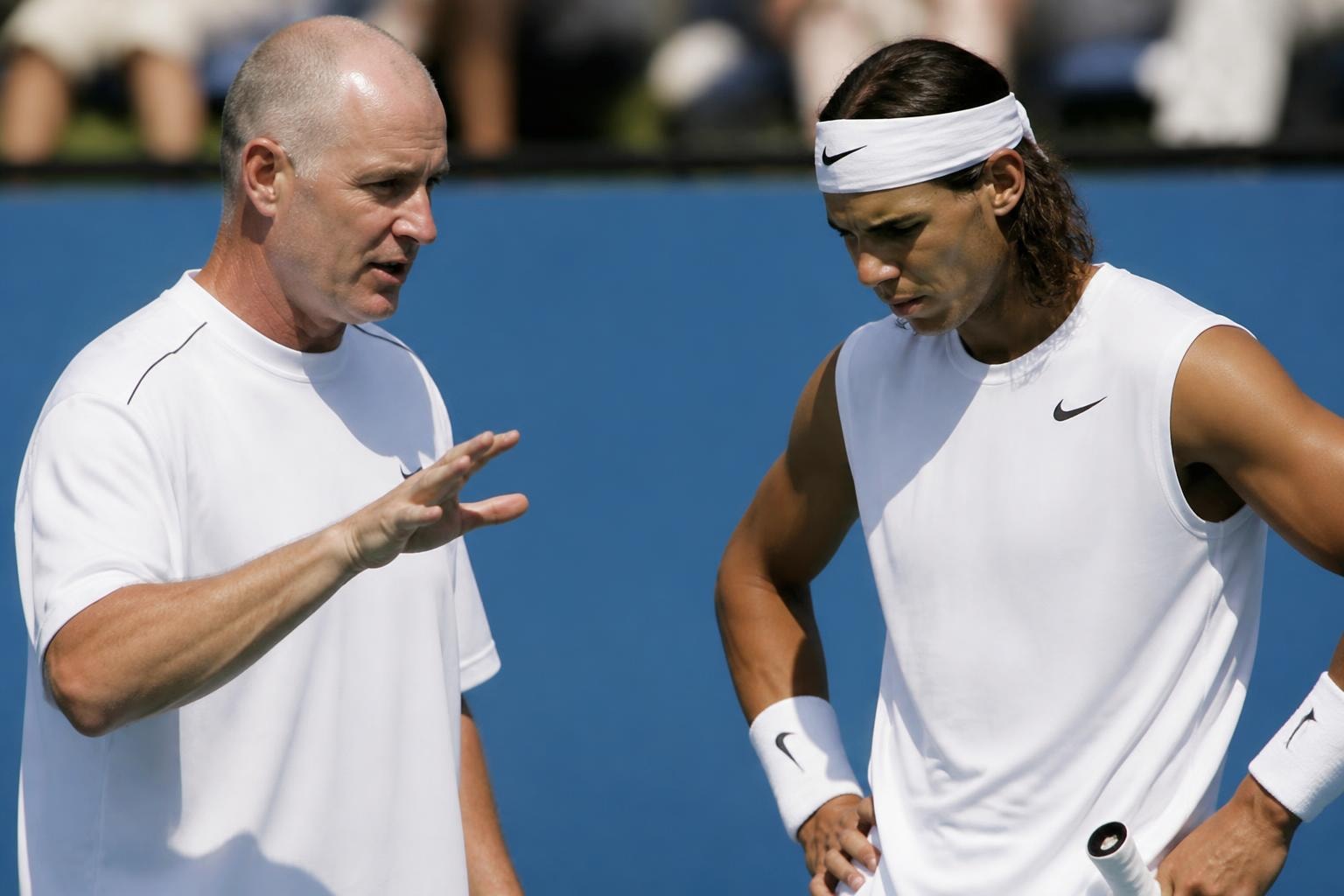
Brad Gilbert stands as one of tennis's most influential figures, not because of his Grand Slam victories as a player, but because of his revolutionary approach to coaching and strategy. His unique perspective on the mental and tactical aspects of tennis has shaped champions and changed how coaches approach player development. From his professional playing career through his current role as a sought-after coach and commentator, brad gilbert has demonstrated that success in tennis depends as much on smart tactics as physical talent. His philosophy challenges conventional wisdom and offers valuable lessons for coaches seeking to maximize their players' potential.
The Playing Career That Shaped a Coaching Legend
Brad gilbert's professional tennis career spanned from 1982 to 1995, during which he achieved a career-high ranking of No. 4 in the world. While he never won a Grand Slam singles title, he captured 20 ATP titles and earned over $5.5 million in prize money. What made gilbert's playing career remarkable was his ability to defeat higher-ranked opponents through tactical intelligence rather than superior athleticism.
His most notable victories came against players who possessed more natural talent and power. Brad gilbert consistently found ways to win matches by exploiting opponents' weaknesses and adapting his game plan mid-match. This tactical flexibility became the foundation of his coaching philosophy.
Tournament Success Through Strategic Play
Gilbert's tournament victories demonstrated his ability to peak at the right moments and execute specific game plans. His success at Masters 1000 events, including titles at Cincinnati, Indian Wells, and Stockholm, proved that strategic thinking could overcome physical limitations. According to his Wikipedia profile, he won 20 career singles titles and 3 doubles titles during his professional career.
The methods brad gilbert employed as a player directly translated into his coaching techniques. He learned that tennis matches are won through percentage tennis, understanding statistical advantages, and forcing opponents into uncomfortable patterns. These principles would later revolutionize how coaches approach match preparation and in-match coaching.
The Birth of "Winning Ugly"
In 1993, brad gilbert published "Winning Ugly," a book that would become required reading for serious tennis players and coaches worldwide. The title itself challenged the aesthetic ideal of perfect technique and powerful strokes. Instead, gilbert argued that matches are won through mental toughness, tactical awareness, and the willingness to do whatever it takes within the rules to secure victory.
The core principles of "Winning Ugly" include:
- Pattern disruption: Breaking your opponent's rhythm through varied pace, spin, and placement
- Exploiting weaknesses: Identifying and consistently attacking an opponent's vulnerable shots
- Percentage tennis: Making high-probability shot selections rather than attempting low-percentage winners
- Mental warfare: Using legal tactics to frustrate opponents and create psychological pressure
- Adaptability: Changing strategies mid-match based on what's working and what isn't
These concepts resonate strongly with modern coaching methodologies, including scientific approaches to technique improvement and tactical development. The emphasis on strategic thinking over pure power aligns with coaching systems that prioritize efficiency and smart play.
Transition to Elite Coaching
Brad gilbert's coaching career began in earnest when Andre Agassi hired him in 1994. This partnership would transform both men's careers and establish gilbert as one of tennis's premier coaches. Under gilbert's guidance, Agassi won six of his eight Grand Slam titles and reclaimed the world No. 1 ranking.
| Player | Years Coached | Major Achievements |
|---|---|---|
| Andre Agassi | 1994-2002 | 6 Grand Slam titles, Olympic Gold Medal |
| Andy Roddick | 2003-2004 | US Open title, World No. 1 ranking |
| Andy Murray | 2006-2010 | First Grand Slam final, Top 5 ranking |
| Coco Gauff | 2023-2024 | US Open title, WTA Finals championship |
The Agassi partnership demonstrated brad gilbert's ability to work with talented but underachieving players. He helped Agassi develop tactical discipline and mental resilience that elevated his game to championship level. The strategies involved detailed scouting reports, specific tactical plans for each opponent, and constant adaptation based on match situations.
Modern Success with Coco Gauff
Brad gilbert's recent work with Coco Gauff has brought his methods to a new generation. After joining her team in 2023, Gauff won the US Open and reached new heights in her career. Tennis.com highlighted how gilbert’s ‘winning ugly’ philosophy contributed to Gauff’s success, noting his emphasis on tactical awareness and mental toughness.
The Gauff partnership showcases how brad gilbert adapts his coaching to different player personalities and game styles. While maintaining core strategic principles, he tailors his approach to maximize each player's natural strengths while addressing weaknesses systematically.
Core Coaching Philosophies
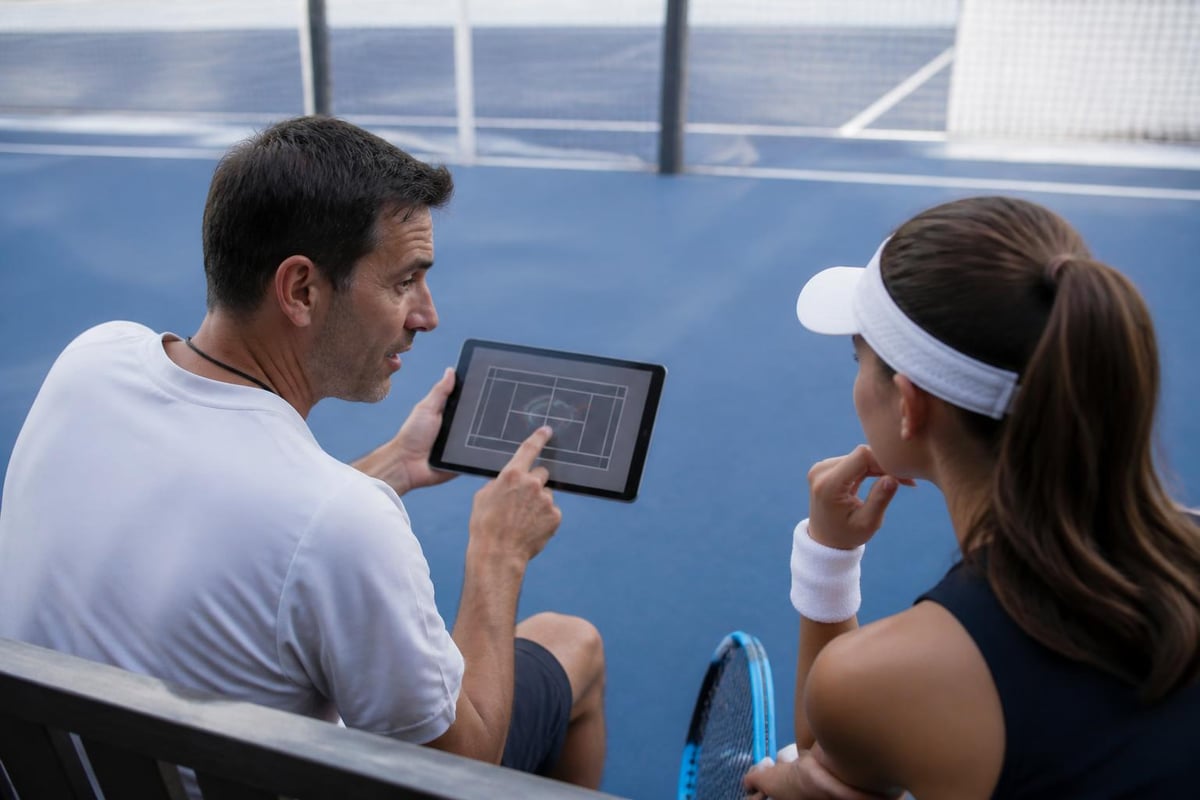
Brad gilbert's coaching methodology centers on several key principles that distinguish his approach from traditional technique-focused coaching. Understanding these principles provides valuable insights for coaches seeking to develop more complete players.
Tactical Intelligence Over Physical Dominance
Gilbert believes that most matches are won through smart play rather than overwhelming power. He teaches players to construct points strategically, using shot selection that maximizes their advantages while minimizing risk. This approach particularly benefits players who may not possess the biggest serves or most powerful groundstrokes.
The emphasis on tactical intelligence aligns with scientific coaching methods that analyze stroke mechanics and strategic patterns. Understanding the fundamentals of stroke production supports the tactical execution that gilbert emphasizes.
Pre-Match Preparation and Scouting
One of brad gilbert's signature techniques involves exhaustive opponent analysis. He creates detailed scouting reports that identify:
- Preferred patterns: What sequences does the opponent favor?
- Weakness identification: Which shots break down under pressure?
- Service patterns: Where do they typically serve in crucial moments?
- Mental tendencies: How do they respond to adversity?
- Physical limitations: What movements create discomfort?
This analytical approach transforms match preparation from general practice into specific tactical rehearsal. Players enter matches with clear game plans and contingency strategies for different scenarios.
In-Match Coaching and Adaptation
During matches, brad gilbert excels at real-time tactical adjustments. He reads momentum shifts, identifies what's working, and communicates strategic changes effectively. His courtside coaching provides players with clear, actionable instructions rather than technical corrections during competition.
The ability to adjust mid-match represents a crucial coaching skill. Gilbert teaches players to recognize patterns themselves, developing their tactical awareness so they can make adjustments independently when coaching isn't available.
The Mental Game Emphasis
Beyond tactics and strategy, brad gilbert places enormous emphasis on mental toughness and competitive psychology. He understands that tennis matches are as much mental battles as physical contests. His coaching addresses the psychological challenges that prevent talented players from achieving consistent results.
Building Mental Resilience
Gilbert works with players to develop resilience through:
- Accepting imperfection: Understanding that winning doesn't require playing perfectly
- Emotional control: Managing frustration and maintaining focus through adversity
- Competitive mindset: Developing the will to compete on every point regardless of score
- Confidence building: Creating belief through preparation and strategic clarity
These mental skills complement technical development. For coaches pursuing certification and advanced teaching methods, integrating mental training with technical instruction creates more complete player development programs.
Handling Pressure Situations
Brad gilbert teaches specific strategies for managing high-pressure moments in matches. Rather than avoiding pressure, he helps players embrace these situations as opportunities. His "Winning Ugly" philosophy accepts that nerves and pressure are normal, and success comes from executing simple, high-percentage plays when it matters most.
Lessons for Modern Tennis Coaches
The brad gilbert approach offers numerous lessons for contemporary tennis coaches seeking to maximize player potential. His methods demonstrate that coaching extends far beyond technical instruction to encompass tactical education, mental preparation, and strategic thinking.
For coaches developing their teaching methodology, gilbert's emphasis on individualized strategies proves particularly valuable. Rather than applying one-size-fits-all solutions, effective coaching requires understanding each player's unique strengths and weaknesses, then building customized development plans.
The integration of video analysis, statistical tracking, and opponent scouting represents modern coaching best practices. Brad gilbert pioneered many of these approaches before technology made them commonplace. Today's coaches can leverage these tools more efficiently while applying gilbert's fundamental principles.
Coaches looking to distinguish themselves and achieve breakthrough results with their students can benefit from proven methodologies that combine technical precision with strategic thinking. The tennis coaching courses at Tennis Method MSM offer specialized training in rapid technique correction and advanced teaching methods that complement strategic approaches to player development.
Broadcasting and Media Influence
Beyond direct coaching, brad gilbert has influenced tennis globally through his broadcasting work. As a commentator for ESPN and Tennis Channel, he brings tactical insights to television audiences, educating fans about the strategic depth of professional tennis. His commentary focuses on the mental and tactical battles unfolding on court rather than simply describing action.
Encyclopedia.com notes that gilbert's contributions to tennis literature and media have expanded his influence far beyond his direct coaching relationships. Through broadcasting, writing, and social media presence, he continues educating the tennis community about strategic play and mental toughness.
The Tennis Channel Academy
Gilbert's work with Tennis Channel includes instructional content that makes his coaching philosophy accessible to recreational players and teaching professionals. These programs break down professional tactics into understandable concepts that players at all levels can apply. The democratization of elite coaching knowledge helps raise the overall standard of tennis instruction worldwide.
Adapting Gilbert's Methods to Different Skill Levels
While brad gilbert built his reputation coaching elite professionals, his principles apply across all competitive levels. Recreational players and juniors benefit from the same emphasis on smart play, tactical awareness, and mental toughness. Coaches working with club players can implement gilbert's concepts by scaling complexity appropriately.
For junior development programs, teaching tactical thinking early creates more complete players. Rather than focusing exclusively on stroke production, incorporating strategic education into technical training develops players who understand why they hit certain shots, not just how to execute them.
Table: Applying Gilbert's Principles Across Levels
| Principle | Professional Application | Club Player Application | Junior Development |
|---|---|---|---|
| Pattern Recognition | Advanced opponent scouting | Identifying basic tendencies | Learning common patterns |
| Tactical Adaptation | Real-time strategy shifts | Simple Plan A/Plan B approaches | Developing problem-solving skills |
| Mental Toughness | Pressure point execution | Consistency in league matches | Building competitive habits |
| Shot Selection | Statistical optimization | High-percentage play focus | Understanding risk vs. reward |
The Legacy and Continuing Influence
Brad gilbert's impact on tennis extends beyond his individual coaching successes to influence how the sport approaches player development broadly. His emphasis on tactical intelligence over pure athleticism has helped level the competitive playing field, allowing smart players to compete with more physically gifted opponents.
Modern coaching increasingly incorporates the analytical, strategic approach that gilbert championed. Sports Business Journal documented his journey from player to coach and commentator, highlighting his enduring passion for tennis and commitment to elevating the sport's strategic dimension.
The principles brad gilbert articulated in "Winning Ugly" remain relevant in 2026 because they address timeless aspects of competition: preparation, adaptation, mental strength, and tactical awareness. These elements transcend eras and equipment changes to represent fundamental competitive truths.
Influence on Coaching Education
Gilbert's work has influenced how coaching education programs structure their curricula. Modern certification programs increasingly emphasize tactical coaching and mental game development alongside technical instruction. About Coach Mili demonstrates how coaches can develop unique methodologies that combine technical precision with strategic thinking to achieve exceptional results.
The integration of sports psychology, match analytics, and strategic planning into coaching education reflects brad gilbert's holistic approach to player development. Coaches who master these diverse elements create more value for their students than those who focus narrowly on stroke mechanics alone.
Contemporary Relevance in Modern Tennis
Despite changes in equipment, playing styles, and athleticism since gilbert's playing days, his coaching principles remain highly relevant. Modern tennis features more power and athleticism than ever, yet tactical intelligence still determines match outcomes at the highest levels. The brad gilbert approach provides frameworks for coaches to help players maximize their potential regardless of physical limitations.
Today's data-driven environment actually enhances gilbert's methodologies. Advanced statistics, video analysis platforms, and tracking systems provide objective data that supports tactical decision-making. Coaches can now quantify the pattern disruption and percentage tennis concepts that gilbert advocated based on intuition and experience.
The mental game emphasis also grows more critical as competition intensifies. With physical preparation and technical coaching reaching unprecedented levels across the professional tour, mental toughness and tactical awareness increasingly differentiate champions from also-rans. Brad gilbert's focus on these elements positions his approach at the forefront of modern coaching thought.
Brad gilbert's revolutionary approach to tennis coaching demonstrates that success stems from tactical intelligence, mental toughness, and strategic preparation as much as physical talent and perfect technique. His legacy continues shaping how coaches develop players and how competitors approach match play across all levels of tennis. For coaches and players seeking rapid technique improvement combined with strategic excellence, Tennis Method Mili Split (MSM) offers a scientifically-proven methodology that guarantees stroke correction within days while developing the complete playing skills that lead to consistent competitive success.