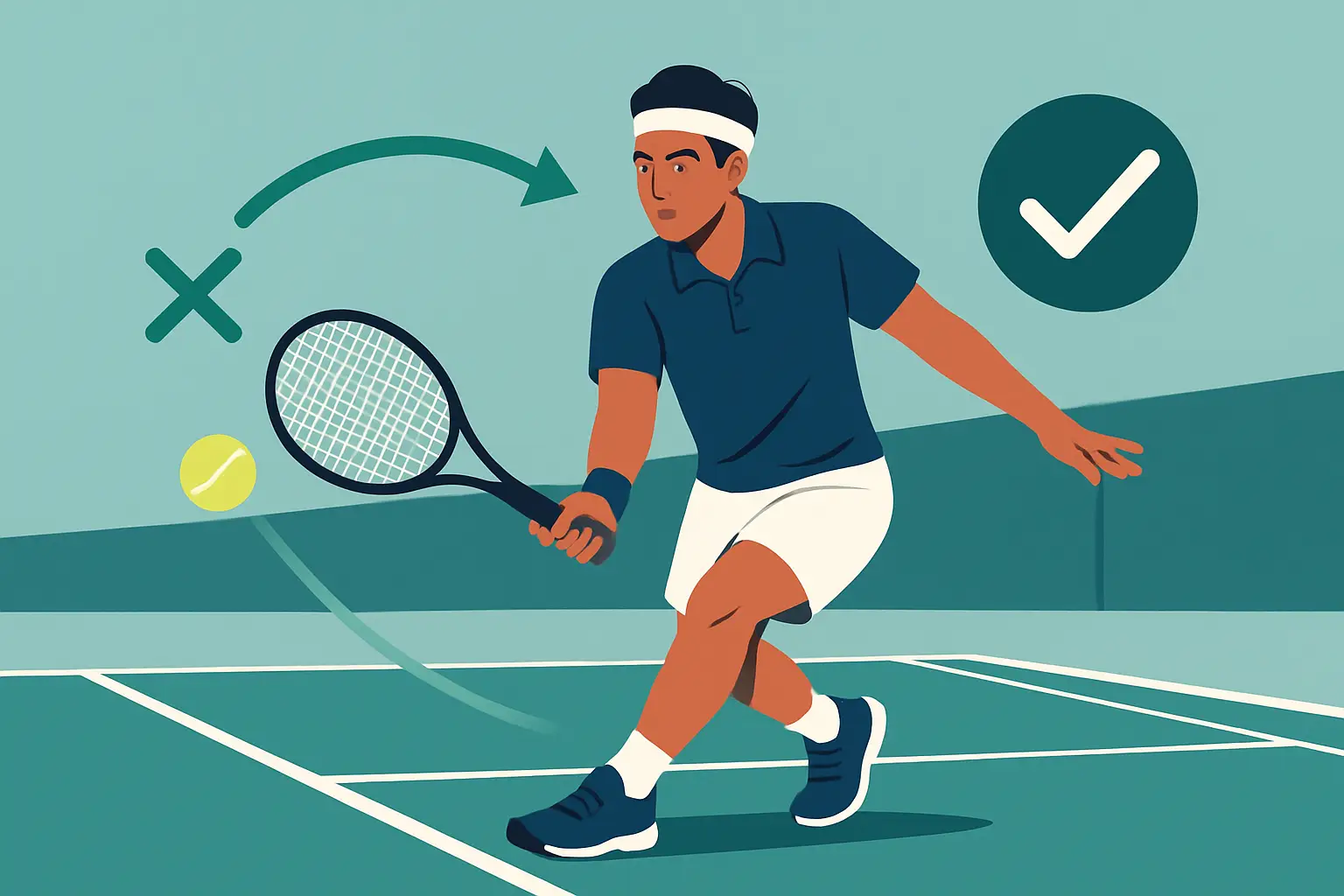
Effortless Tennis Ground Stroke Corrections
Understanding the Importance of Ground Strokes
In tennis, ground strokes form the backbone of every player’s game. They are the definitive shots that occur after the ball bounces on the player’s side of the court, typically involving forehand and backhand shots. Mastering ground strokes is crucial, as these are foundational to constructing points, creating opportunities, and ultimately winning matches.
However, getting these strokes right requires more than just swinging a racquet. Many players struggle with consistency, power, and accuracy in their ground strokes, leading to errors and missed opportunities. That’s why correction tips for these strokes can be a game-changer.
Common Mistakes in Ground Strokes
To correct ground stroke issues, it’s essential to first identify common mistakes:
1. Incorrect Stance
The stance is the base of any stroke. Players often find themselves in an incorrect position, either too open or too closed, which can lead to imbalance and inaccurate shots.
2. Grip Issues
An inappropriate grip can lead to poor control and limited shot range. Whether it’s eastern, western, or continental, a player’s grip must suit their style and the demands of different shots.
3. Inadequate Follow-Through
A common error is an incomplete or incorrect follow-through which affects both the power and direction of the shot.
4. Lack of Spin
Topspin and backspin are essential for controlling the ball’s trajectory and keeping it in the court. Without sufficient spin, the ball’s flight is less predictable.
5. Poor Footwork
Footwork is critical to maintaining balance and reaching the ball early. Players often neglect it, leading to rushed strokes and subsequent errors.
Scientifically Backed Correction Tips
Correcting these mistakes doesn’t have to be a drawn-out process. With the right method, you can fix these errors quickly and effectively.
Tip 1: Refine Your Stance
Position is everything. Start with an athletic stance: feet shoulder-width apart, weight balanced on the balls of your feet, knees slightly bent. This gives you the balance and nimbleness needed for quick adjustments.
Actionable Step:
- Practice shadow strokes in front of a mirror to solidify this stance.
Tip 2: Grip Adjustments
Finding the right grip is crucial. Experiment with different grips during practice to find which offers the best control and comfort.
Experiment Session:
- Spend a session hitting forehand and backhand shots with each grip style to find what’s most natural.
Tip 3: Mastering the Follow-Through
A complete follow-through is necessary for power and accuracy. Your follow-through should end high above your shoulder to promote topspin.
Drill:
- Use short-court practice, focusing purely on the follow-through to build up muscle memory.
Tip 4: Enhance Spin Techniques
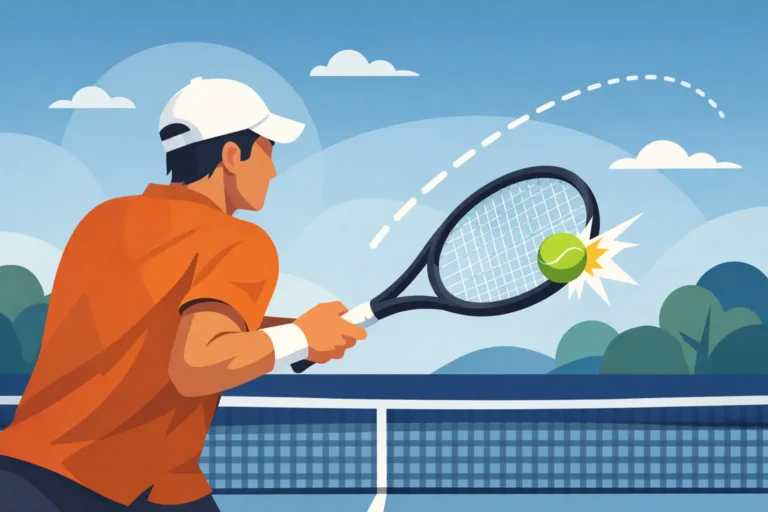
To develop topspin, aim to brush over the ball rather than hitting through it. This creates downward pressure on the ball, spinning it forward.
Practice:
- Use a ball machine to repeatedly practice spin shots, focusing on your wrist and racquet angle.
Tip 5: Elevate Your Footwork
Work on your footwork through agility drills that improve your lateral movement and forward-backward transitions.
Agility Routine:
- Incorporate ladder drills and cone exercises into your training regimen to enhance foot speed and positioning.
The Role of Mental Conditioning
Mental fortitude plays a critical part in adapting these corrections. Many players underperform during matches due to mental blocks rather than physical limitations.
Cultivating Match Confidence
Building confidence involves visualization techniques and routine. Before matches, imagine executing perfect strokes, solidifying them in your mind.
Visualization Exercise:
- Spend 10 minutes before each game visualizing successful ground strokes.
Handling Pressure
Learn to handle match pressure by incorporating pressure drills in practice. Simulate match conditions to get comfortable performing under stress.
Pressured Practice:
- Use scored drills where every error results in a penalty, mimicking high-stakes scenarios.
Why Mili’s Split Method Works
Mili’s Split Method (MSM) offers an innovative approach to correcting ground strokes that is both scientifically formulated and practically proven. They guarantee improvement in stroke performance within just three days, thanks to their systematic methodology and hands-on approach.
This method works uniquely by breaking down strokes into comprehensible elements, allowing players to correct their techniques rapidly. With MSM, players gain immediate feedback, enabling faster adaptation and skill mastery.
Incorporating Technology in Correction
Video Analysis
Using video analysis, players can visually identify their errors. Recording your strokes offers an unbiased view to pinpoint exactly where corrections are needed.
Tools:
- Use smartphones or tablets to record and replay your strokes in slow motion.
Wearable Sensors
Wearable technology can track swing speed, angle, and impact points, providing data players and coaches can analyze to initiate corrective measures.
Devices:
- Consider devices like smart racquet attachments to offer insights into your game.
The Coach’s Role
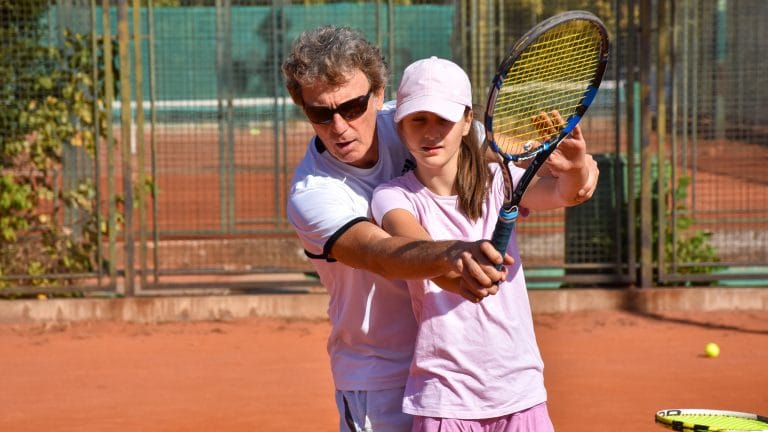
A qualified coach can assess a player’s swing and footwork, offering an external perspective that is often missed.
Selecting Expertise
Choosing the right coach involves finding someone experienced with modern techniques and who can tailor instruction to your specific needs.
Coach Certification:
- Certification from renowned programs like MSM ensures a coach has the skills to implement the most effective correction strategies.
Transitioning from Practice to Real Play
After implementing corrections, it’s crucial to transition them into actual match play. Often, techniques falter in competitive environments due to pressure.
Practice with Purpose
Focus each practice session on blending corrected techniques seamlessly into your game. This ensures consistency across all competitive scenarios.
Feedback Loops
Regular feedback from both personal assessment and coaching can keep improvements aligned and progressive.
Building a Culture of Continuous Improvement
Players should not rest on corrected techniques; instead, view each match as an opportunity to enhance and refine skills further.
Lifelong Learning
Embrace a mindset of lifelong learning and continual development, regularly updating skills as the game evolves.
Closing Thoughts
Correcting tennis ground strokes is a critical part of enhancing your game and gaining a competitive edge. By understanding common errors, employing scientifically-backed methods, and continuously improving upon these skills, players at any level can achieve remarkable improvements. Whether through self-assessment, the guidance of a pro, or cutting-edge methods like Mili’s Split Method, always aim for technical excellence and adapt these corrections into your unique play style for best results.